 (Image via
Regular maintenance is the cornerstone of keeping your vehicle safe and reliable, and few tasks are as fundamental as the oil change. For many drivers, this routine service might feel like just another chore on the to-do list, but understanding its true purpose reveals why it is so essential. Engine oil does far more than just lubricate moving parts; it is vital for cooling, cleaning, and protecting the heart of your car. Neglecting this simple service can lead to decreased performance, poor fuel economy, and eventually, catastrophic engine failure. This guide breaks down everything you need to know about oil changes, explaining the mechanics behind them and why sticking to a schedule is critical for your engine’s health. We will explore the different types of oil, how oil breaks down over time, and the tangible benefits of timely maintenance so you can care for your car with confidence.
Understanding the Role of Engine Oil
Your engine is a complex machine with hundreds of metal parts moving at high speeds in close proximity. Without protection, the friction generated by these moving parts would create immense heat and wear, destroying the engine in a matter of minutes. Engine oil serves as a barrier between these components. It creates a thin, slippery film that allows parts like pistons, valves, and camshafts to glide smoothly against each other.
Lubrication and Friction Reduction
Lubrication is the primary job of motor oil. By coating internal components, the oil reduces friction significantly. Less friction means less heat is generated, which prevents the engine from overheating during operation. It also minimizes the physical wear on metal surfaces, extending the lifespan of critical engine parts. A well-lubricated engine runs quieter and smoother, providing a better driving experience.
Cleaning and Debris Removal
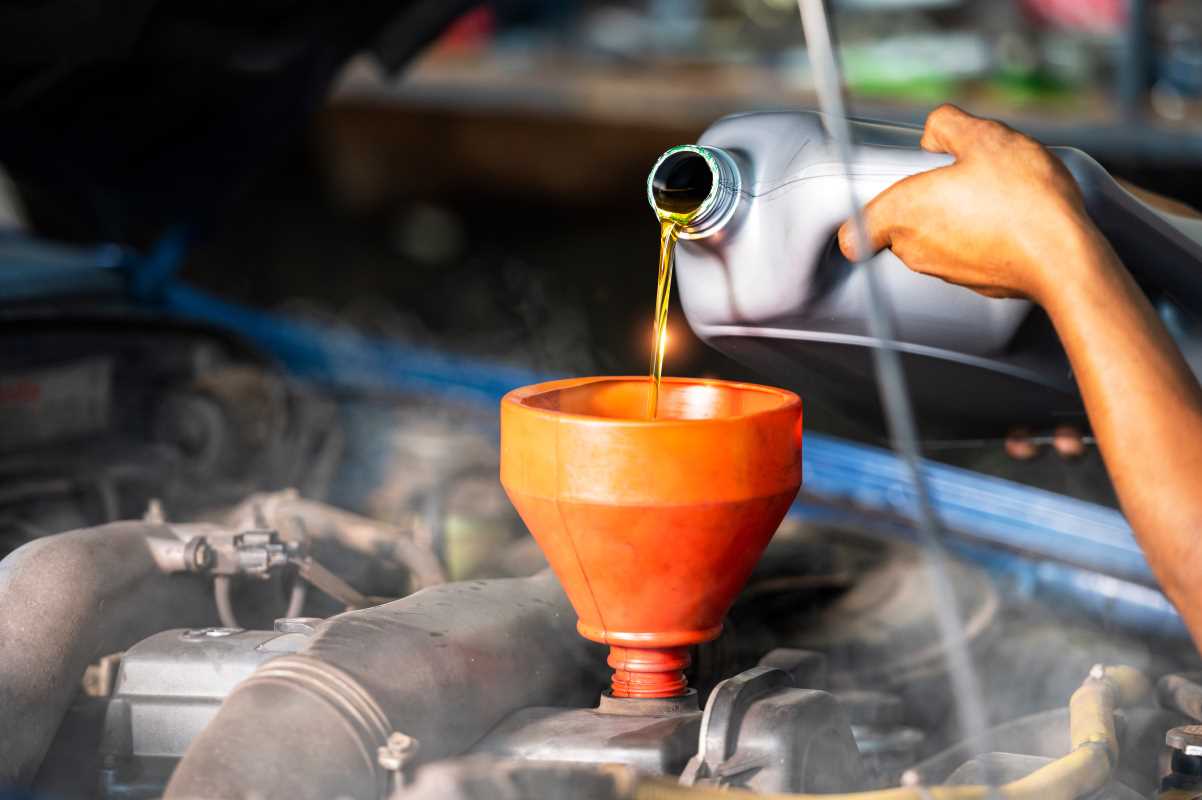
Engine oil also acts as a cleaning agent. As your engine runs, it produces byproducts like soot, dust, and tiny metal shavings. If left unchecked, these contaminants can form a thick sludge that clogs oil passages and restricts flow. High-quality motor oil contains detergents that suspend these particles, preventing them from settling on engine surfaces. During an oil change, the old oil—carrying all that dirt and debris—is drained away, and a fresh filter is installed to trap new contaminants.
Cooling and Temperature Regulation
The cooling system (radiator and coolant) handles most of the temperature regulation, but oil plays a supporting role. It absorbs heat from engine parts that coolant cannot reach, such as the pistons and crankshaft. The oil then circulates back to the oil pan, where some of that heat dissipates. This circulation helps maintain a stable operating temperature, preventing hot spots that could warp or damage engine components.
Why Timing Is Everything
Knowing when to change your oil is just as important as knowing why. Oil does not last forever. Over time, the extreme heat and pressure inside an engine cause the oil’s chemical structure to break down. This degradation reduces its ability to lubricate and protect effectively. Sticking to a schedule ensures your engine always has fresh, effective protection.
Viscosity Breakdown
Viscosity refers to a fluid's resistance to flow—essentially, its thickness. Oil needs to be thick enough to maintain a protective film on parts but thin enough to flow easily through the engine, especially during cold starts. As oil ages, heat can cause it to lose viscosity, making it too thin to protect components properly. Alternatively, oxidation can cause it to thicken into sludge. Both scenarios are dangerous. Changing oil on time ensures it maintains the correct viscosity to do its job.
Additive Depletion
Modern engine oils are chemically engineered with various additives to enhance performance. These include anti-wear agents, rust inhibitors, detergents, and dispersants. These additives are consumed over time as they fight contamination and heat. Once they are depleted, the base oil can no longer provide adequate protection against corrosion or wear. An oil change replenishes these vital additives, restoring the oil's full protective capabilities.
The Consequences of Waiting
Delaying an oil change might seem harmless in the short term, but the cumulative effects are damaging. Old oil becomes saturated with contaminants and loses its ability to clean. This leads to sludge buildup, which restricts oil flow to critical areas. Without proper lubrication, metal parts grind together, causing irreversible damage. You might notice reduced fuel efficiency, increased engine noise, or even engine knocking. In severe cases, ignoring oil changes can seize the engine entirely, requiring a complete and expensive replacement.
Conventional vs. Synthetic Oil
Choosing the right type of oil is a common question for car owners. Understanding the differences can help you make the best decision for your vehicle and budget.
Conventional Oil
Conventional oil is derived directly from crude oil. It provides adequate protection for many standard engines and is typically the most affordable option. However, it is more susceptible to breaking down under high heat and may require more frequent changes compared to synthetic options. It is often recommended for older vehicles with simple engine designs or for drivers with less demanding driving habits.
Synthetic Oil
Synthetic oil is chemically engineered to provide superior performance. It has a more uniform molecular structure, which offers better lubrication, higher resistance to heat, and improved flow in cold temperatures. Synthetic oil resists breakdown for longer periods, meaning you can often go longer between oil changes. Although it costs more upfront, the extended protection and potential fuel savings often make it a smart investment, especially for modern, high-performance, or turbocharged engines.
Synthetic Blend
Synthetic blend oils offer a middle ground. They are a mixture of conventional and synthetic base oils, providing some of the benefits of synthetic—like better protection against oxidation—at a lower price point than full synthetic. This is a popular choice for drivers of trucks or SUVs who want extra protection for hauling loads without the full cost of synthetic oil.
Deciphering the Oil Change Interval
The "every 3,000 miles" rule was the standard for decades, but modern engineering has changed the landscape. Today, improved engine designs and higher-quality oils allow for much longer intervals between services.
Check Your Owner’s Manual
Your vehicle’s owner's manual is the ultimate authority on maintenance schedules. Manufacturers test their engines rigorously to determine the optimal service intervals. Most modern cars have recommended intervals ranging from 5,000 to 7,500 miles, with some synthetic oil schedules extending to 10,000 miles or more. Following the manufacturer’s specific guidelines is the safest way to maintain your warranty and engine health.
Severe Driving Conditions
Driving habits significantly influence how often you need to change your oil. Manufacturers often distinguish between "normal" and "severe" driving conditions. Surprisingly, many daily commutes fall under the "severe" category. This includes frequent short trips where the engine doesn't fully warm up, stop-and-go traffic, driving in extreme heat or cold, and towing heavy loads. If your driving fits these descriptions, you may need to change your oil more frequently than the standard recommendation to combat the added stress on the engine.
Oil Life Monitoring Systems
Many newer vehicles come equipped with oil life monitoring systems. These systems use sensors and algorithms to track engine operating conditions—such as temperature, speed, and load—to calculate the remaining life of the oil. Instead of relying solely on mileage, the car tells you exactly when service is due via a dashboard alert. Trusting this technology can help you avoid changing oil too early (wasting money) or too late (risking damage).
The Hidden Benefits of Regular Changes
Committing to regular oil changes offers advantages that go beyond preventing engine failure. It is an investment that pays off in multiple ways throughout the life of your vehicle.
Improved Fuel Efficiency
A well-lubricated engine moves with less resistance. Fresh oil reduces friction between moving parts, allowing the engine to run more efficiently. This means the engine doesn't have to work as hard to propel the car, which translates to better gas mileage. Over time, the savings at the pump can help offset the cost of the maintenance itself.
Passing Emissions Tests
Clean oil helps your engine run cleaner. Old, dirty oil can lead to increased hydrocarbon emissions because the engine burns less efficiently. In many states, passing an emissions test is required for vehicle registration. Regular oil changes help ensure your vehicle meets these environmental standards, keeping our air cleaner and keeping you legal on the road.
Higher Resale Value
Maintenance records are a powerful tool when selling a used car. Prospective buyers want reassurance that a vehicle has been cared for. A documented history of regular oil changes proves that you have been a responsible owner. It suggests the engine is in good condition and less likely to have hidden problems. This transparency can command a higher resale price and make your car easier to sell.
Taking charge of your vehicle’s maintenance doesn't have to be intimidating. Understanding the "why" behind an oil change transforms it from a nuisance into a proactive step for your financial and physical safety. By ensuring your engine always has clean, high-quality oil, you are protecting your investment and ensuring your car remains a reliable partner for all your journeys. Simple, timely care is all it takes to keep your engine running smoothly for years to come.