 (Image via
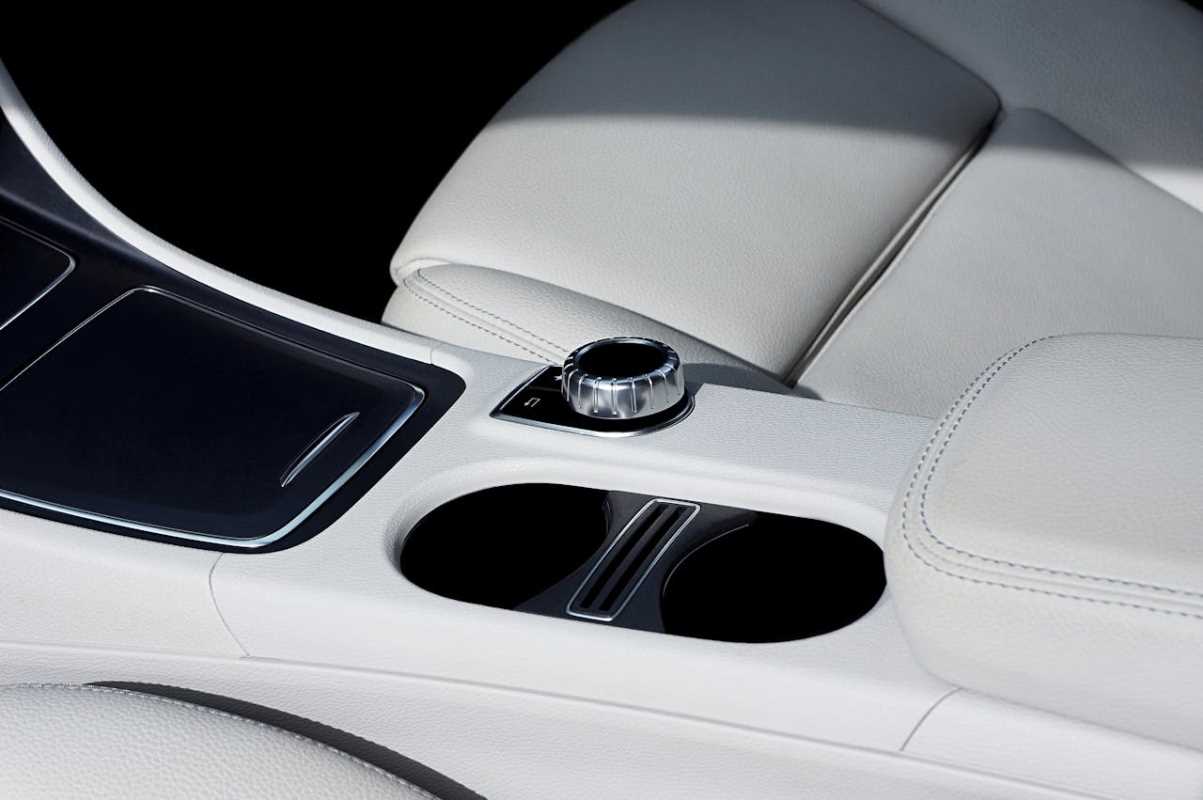
Leather seats add a distinct touch of luxury and comfort to any vehicle interior. Maintaining that soft, supple feel requires consistent attention and the use of correct techniques. Neglect often leads to unsightly cracks, fading, and a rough texture that significantly diminishes the driving experience. This guide provides a comprehensive approach to preserving your car's interior elegance throughout every season. We will explore the specific cleaning agents that safely remove grime without damaging delicate protective coatings. You will discover proper conditioning methods that keep the material flexible and resistant to daily wear. Protecting your investment ensures that your vehicle remains a source of pride for years to come. Let us begin the journey to mastering leather maintenance.
Understanding Modern Automotive Leather
Before you apply any products, it is helpful to understand exactly what you are treating. Most leather seats in modern vehicles are different from the leather used in vintage cars or high-end furniture. Manufacturers typically coat automotive leather with a thin, protective layer of synthetic material. This pigmented coating is designed to resist stains and fading, making the leather more durable for daily use.
Treating this material correctly means you are primarily cleaning and protecting this top coating. Using products meant for raw, uncoated leather can sometimes leave a greasy residue that sits on top of the surface without absorbing. Conversely, using harsh household cleaners can strip this protective layer away, leaving the leather underneath vulnerable to deterioration. Knowing this distinction empowers you to select the right products that are safe for coated leather surfaces.
The Two-Step Process: Cleaning and Conditioning
Proper leather care is a two-part equation. Cleaning removes the dirt and oils that accumulate over time, while conditioning restores the hydration needed to prevent cracking. Skipping either step can lead to lackluster results.
Step One: The Gentle Cleanse
Dirt is an abrasive substance. Every time you slide in and out of your car, microscopic dust and dirt particles act like sandpaper against the leather's finish. Over time, this friction wears down the protective coating.
Vacuuming Fundamentals
Always start with a thorough vacuuming. Use a soft brush attachment to gently remove loose debris from the seat surface. Pay special attention to the seams and crevices where crumbs and grit tend to hide. Pressing a nozzle too hard into the leather can leave scratches, so use a light touch.
Selecting the Right Cleaner
You need a dedicated leather cleaner that is pH-balanced. This means the chemical makeup of the cleaner is neutral—neither acidic nor alkaline—so it won't damage the leather's finish. Avoid all-purpose cleaners or dish soap, as these are often too harsh and can dry out the material.
The Agitation Technique
Apply your cleaner to a detailing brush or a microfiber scrubbing pad rather than spraying it directly onto the seat. Direct spraying can lead to spotting if the cleaner dries unevenly. Gently agitate the surface in circular motions. You aim to lift the dirt out of the natural grain of the leather. The foam produced by the cleaner helps suspend the dirt so it can be wiped away. Once you have scrubbed a section, immediately wipe away the residue with a clean, dry microfiber towel. You will likely see the dirt transfer onto the towel, revealing the true matte finish of clean leather.
Step Two: Protective Conditioning
Clean leather is beautiful, but it is also thirsty. Conditioning is the process of applying a nourishing product that keeps the leather fibers flexible. Even with coated leather, conditioning is vital because it prevents the coating itself from becoming brittle and cracking under stress.
Application Best Practices
Choose a water-based leather conditioner. These products hydrate the surface without leaving a sticky or oily feel. Apply a small amount of conditioner to a soft foam applicator pad. Massage the product into the leather using cross-hatch motions—up and down, then side to side—to ensure even coverage.
The Absorption Period
Allow the conditioner to sit on the seats for several minutes. This dwell time lets the product penetrate the microscopic pores of the coating. If you wipe it off immediately, you reduce its effectiveness. After the conditioner has had time to work, take a clean microfiber towel and buff the seats dry. This final buffing step removes any excess product and leaves the seats with a natural, satin sheen rather than an artificial, greasy shine.
Seasonal Strategies for Year-Round Protection
Different seasons present unique challenges for your car's interior. Adjusting your care routine based on the time of year ensures your seats remain in top condition regardless of the weather.
Summer Defense: Combating UV Rays and Heat
Summer is the most damaging season for automotive interiors. The combination of intense ultraviolet (UV) rays and high cabin temperatures accelerates the aging process of leather. UV rays break down the chemical bonds in the leather's dye and protective coating, leading to fading and discoloration.
To combat this, look for leather conditioners that specifically advertise UV protection. These products act like sunscreen for your seats. During the summer months, it is beneficial to increase the frequency of conditioning to once every month or two. Additionally, using a physical barrier like a windshield sunshade when parked can significantly lower the interior temperature and block direct sunlight, preserving the leather's moisture levels.
Winter Care: Preventing Cold-Weather Cracks
Cold weather makes leather fibers contract and stiffen. When you sit on a freezing cold seat, the stiff leather is subjected to pressure, which can cause cracking along the stress points and bolster edges. The air in winter is also typically much drier, which pulls moisture out of the leather.
Your focus in winter should be on hydration. Before the freezing temperatures arrive, perform a deep cleaning and conditioning session. This "winterizing" creates a barrier that helps the leather retain flexibility even when cold. Avoid letting snow or slush sit on the leather, as the salt and moisture can leave stubborn stains. If your clothes are wet from the weather, try to sit on a towel to protect the leather until you can get home and dry it off.
Addressing Common Leather Issues
Even with the best maintenance, accidents happen. Knowing how to handle spills and stains quickly can save your seats from permanent damage.
Spills and Liquid Stains
Speed is your best ally against liquid spills. Leather is porous, and if a liquid sits for too long, it will soak in. Blot the spill immediately with a clean, absorbent cloth. Do not rub or scrub, as this can push the liquid deeper into the pores. Once the liquid is absorbed, clean the area with your leather cleaner to remove any sugars or residues that could become sticky.
Dye Transfer from Clothing
A common issue, especially with light-colored leather, is dye transfer. This happens when the dye from dark clothing, such as new blue jeans, rubs off onto the seat. This creates a blueish or grayish haze on the leather surface.
Regular cleaning is usually enough to remove fresh dye transfer. However, if the dye has set in, you may need a specialized leather dye transfer remover. These products are formulated to dissolve the foreign dye without removing the leather's original color. Be gentle and patient; aggressive scrubbing can damage the finish.
Avoiding Household Hacks
The internet is full of "home remedies" for leather care, but many of these can be harmful. Avoid using products like olive oil, shoe polish, lanolin, or hairspray on your car seats. Olive oil and other food-based oils can turn rancid, causing bad odors and promoting bacterial growth. Shoe polish is meant for a different type of leather and will rub off on your clothing. Sticking to products specifically engineered for automotive leather is the safest and most effective choice.
The Long-Term Benefits of Routine Care
Adopting a regular leather care routine is an investment in your vehicle's future. Well-maintained leather seats are a major selling point if you ever decide to trade in or sell your car. Buyers can instantly tell if a car has been cared for by the condition of the interior.
Beyond resale value, there is the personal benefit of driving a clean, fresh-smelling car. Leather that is cared for stays soft and comfortable, making your daily commute or long road trips much more enjoyable. By following these simple cleaning and conditioning steps, you can ensure that your leather seats look and feel brand new, surpassing the lifespan of the car itself.