 (Image via
Your vehicle is a significant investment, and treating it with care is the key to ensuring its longevity and performance. Establishing simple, everyday maintenance habits can make a substantial difference in how your car operates, helping it feel like new for years to come. These practices go beyond the occasional trip to the mechanic; they are small, consistent actions that prevent major issues and costly repairs down the line. This article will guide you through specific, actionable steps you can take to protect your vehicle. We will explore everything from routine fluid checks and tire care to smart driving habits and keeping your car clean, giving you the knowledge to maintain your car’s health with confidence.
The Importance of Routine Fluid Checks
Monitoring your car's essential fluids is one of the most critical maintenance habits you can adopt. These liquids are the lifeblood of your vehicle, responsible for cooling, lubricating, and operating various systems. Neglecting them can lead to catastrophic engine failure and expensive repairs. Taking a few minutes each month to check these levels will save you considerable stress and money.
Engine Oil
Engine oil lubricates the moving parts of your engine, reducing friction and preventing wear. It also helps clean the engine by carrying away dirt and debris. You should check your oil level at least once a month. To do this, park your car on a level surface and wait for the engine to cool down. Pull out the dipstick, wipe it clean with a rag, reinsert it fully, and then pull it out again. The oil level should be between the "Full" and "Add" marks. Low oil can cause severe engine damage, while overfilling can also lead to problems. Pay attention to the oil’s color; healthy oil is typically amber, while dark, gritty oil indicates it's time for a change.
Coolant (Antifreeze)
Coolant circulates through the engine and radiator to prevent overheating. It also protects the engine from freezing in cold temperatures. Checking the coolant level is straightforward. Locate the translucent coolant reservoir under the hood, which will have "Full" and "Low" markings. The coolant level should be between these two lines when the engine is cool. Never open the radiator cap when the engine is hot, as the system is under pressure and can cause serious burns. A low coolant level could signal a leak in the system, which requires immediate professional attention to avoid engine overheating.
Brake Fluid
Brake fluid is a hydraulic fluid that transmits the force from your foot on the brake pedal to the brakes themselves. Without it, your brakes would not function. The brake fluid reservoir is also usually translucent and has "Max" and "Min" lines. The fluid level should be near the "Max" line. A low level may indicate worn brake pads or a leak in the brake system. Both scenarios are serious safety concerns that demand a mechanic's inspection. Brake fluid is also hygroscopic, meaning it absorbs moisture over time, which can reduce its effectiveness and cause corrosion. Most manufacturers recommend a complete fluid flush every two years.
Transmission Fluid
Transmission fluid lubricates and cools the complex components inside your transmission, ensuring smooth gear shifts. Checking this fluid can be more involved. Some vehicles have a dipstick for the transmission fluid, similar to the engine oil dipstick, while many newer cars have a sealed system that must be checked by a technician. Your owner's manual will specify the correct procedure. Low or dirty transmission fluid can lead to shifting problems and eventually cause transmission failure, one of the most expensive repairs a car owner can face.
Tire Care is Vehicle Care
Your tires are the only part of your car that makes direct contact with the road, making their condition vital for safety, performance, and fuel efficiency. Simple tire maintenance habits can extend their life and keep you safe.
Maintaining Proper Inflation
Tires that are underinflated or overinflated wear out unevenly and can be dangerous. Underinflated tires flex more, building up heat that can lead to a blowout. They also increase rolling resistance, which hurts your fuel economy. Overinflated tires have a smaller contact patch with the road, reducing traction and creating a harsher ride. You should check your tire pressure monthly using a reliable tire pressure gauge. The recommended pressure, measured in PSI (pounds per square inch), is listed on a sticker inside the driver's side doorjamb, not on the tire itself. Always check the pressure when the tires are cold for an accurate reading.
Regular Tire Rotation
The front and rear tires of a vehicle wear at different rates. On a front-wheel-drive car, for instance, the front tires handle steering and most of the braking force, causing them to wear down faster. Rotating your tires—moving them to different positions on the vehicle—promotes even tread wear. This practice extends the life of your tires and maintains balanced handling. A standard recommendation is to rotate your tires every 5,000 to 7,500 miles, which often aligns with the interval for an oil change.
The Impact of Smart Driving Habits
How you drive has a direct effect on your vehicle's health. Aggressive driving puts unnecessary strain on the engine, transmission, brakes, and suspension. Adopting smoother driving habits will not only reduce wear and tear but also improve your fuel efficiency.
Be Gentle on the Pedal
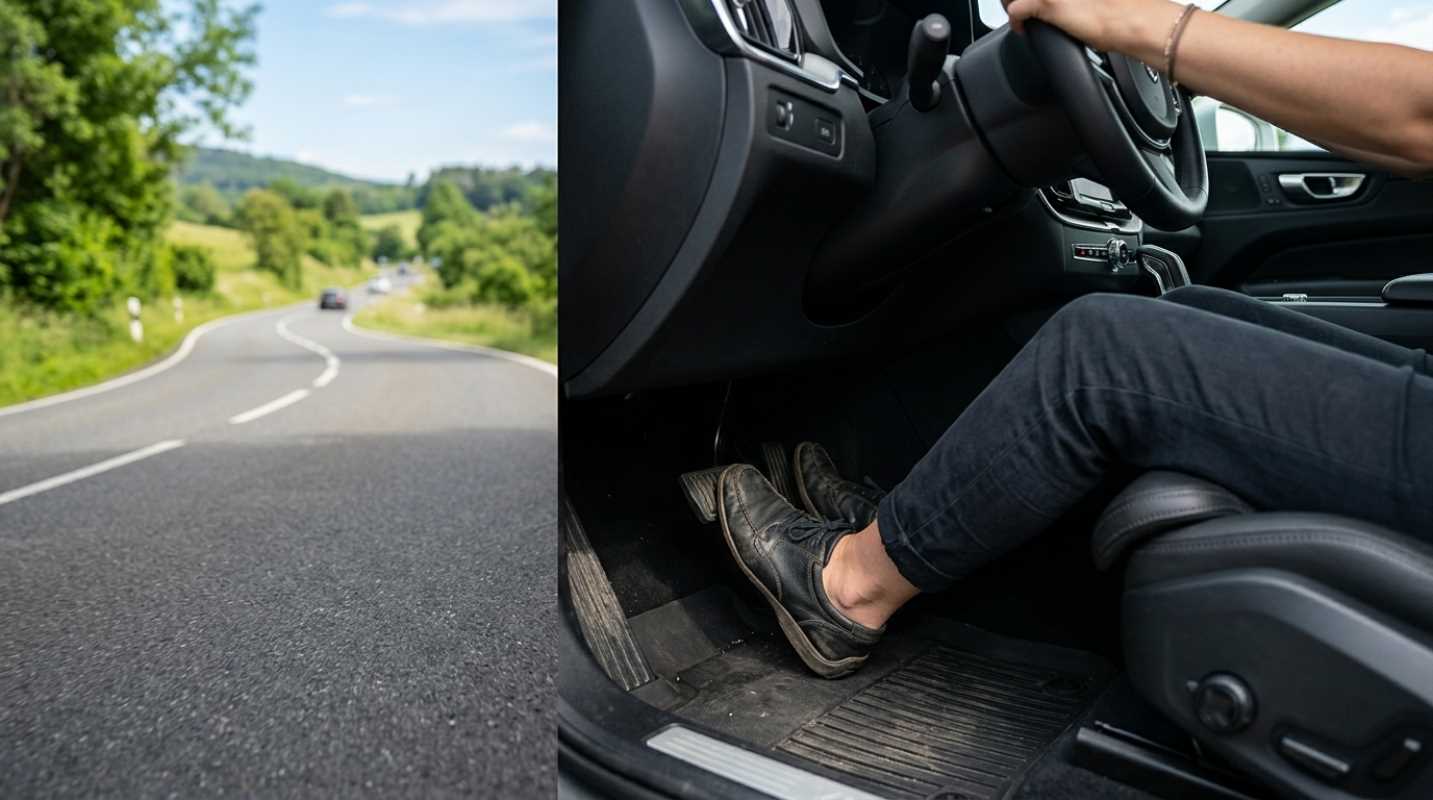
Avoid rapid acceleration and hard braking. Stomping on the gas pedal forces the engine and transmission to work harder than necessary, consuming more fuel and causing premature wear. Likewise, braking abruptly puts excessive strain on your brake pads and rotors. You can extend their life significantly by anticipating stops and coasting to slow down gradually. This approach leads to a smoother ride and a healthier car.
Avoid Short Trips
Frequent short trips are particularly hard on your car. An engine is most efficient when it has reached its optimal operating temperature. On short drives of just a few miles, the engine may not fully warm up. This incomplete cycle allows condensation to build up in the engine and exhaust system, which can lead to corrosion and sludge formation. The battery also does not have enough time to recharge fully. Try to bundle your errands into one longer trip to ensure your car operates at its best.
Keeping It Clean: More Than Just Aesthetics
Washing your car regularly is about more than just maintaining its appearance; it is a crucial maintenance task. Dirt, bird droppings, road salt, and other environmental contaminants can eat away at your car's paint and clear coat, leading to rust and corrosion over time.
Exterior and Interior Care
Wash your car every couple of weeks, or more often if it's exposed to harsh conditions like road salt in the winter. A thorough wash removes harmful substances that can damage the finish. Waxing your car every few months provides an extra layer of protection against UV rays and contaminants. Do not forget the undercarriage, where salt and grime can accumulate and cause rust.
Keeping the interior clean is also important. Dirt and debris can wear down upholstery and carpets. Spills can cause stains and odors. Regularly vacuuming the interior and wiping down surfaces will preserve the condition of your cabin, making your driving experience more pleasant and protecting your car's resale value. These consistent, simple habits will collectively ensure your vehicle remains reliable, safe, and enjoyable to drive for many years.