 (Image via
Your car battery is the silent hero of your daily commute. It works tirelessly behind the scenes to start your engine, power your lights, and keep your music playing. Many drivers only think about this crucial component when the car refuses to start on a cold morning. You can avoid that sinking feeling and keep your hard-earned money in your pocket by adopting a few simple care habits. Taking a proactive approach to battery maintenance empowers you to spot issues before they leave you stranded. This guide reveals the practical secrets to extending your battery’s life, explaining exactly how to care for it, what mistakes to avoid, and how to recognize the early warning signs of trouble.
Understanding Your Battery’s Vital Role
Most vehicles rely on a lead-acid battery, a technology that has been around for over a century. It works through a chemical reaction that generates electricity to turn the starter motor. Once the engine is running, the alternator takes over to power the car's electrical systems and recharge the battery. This cycle of discharging and recharging is continuous.
The Chemistry of Power
Inside the plastic case, lead plates are submerged in an electrolyte solution of sulfuric acid and water. A chemical reaction occurs between the lead and the acid to produce electrons, which flow out through the terminals to power your car. The alternator reverses this reaction as you drive, restoring the battery's charge. Over time, this chemical process becomes less efficient. The lead plates can degrade, or the electrolyte levels can drop, reducing the battery's ability to hold a charge.
Why Batteries Fail
Heat, vibration, and deep discharge are the three biggest enemies of battery life. High temperatures accelerate the chemical reaction inside the battery, causing internal corrosion and evaporating the essential fluids. Vibration can damage the internal components, especially if the battery is not securely fastened. Allowing the battery to drain completely—like leaving your headlights on overnight—causes sulfation. This is a condition where lead sulfate crystals form on the plates, permanently reducing the battery's capacity.
Practical Habits for a Longer Life
You do not need to be a mechanic to maximize your battery's lifespan. Small changes in how you drive and care for your vehicle can add months or even years to its service life.
Drive Your Car Regularly
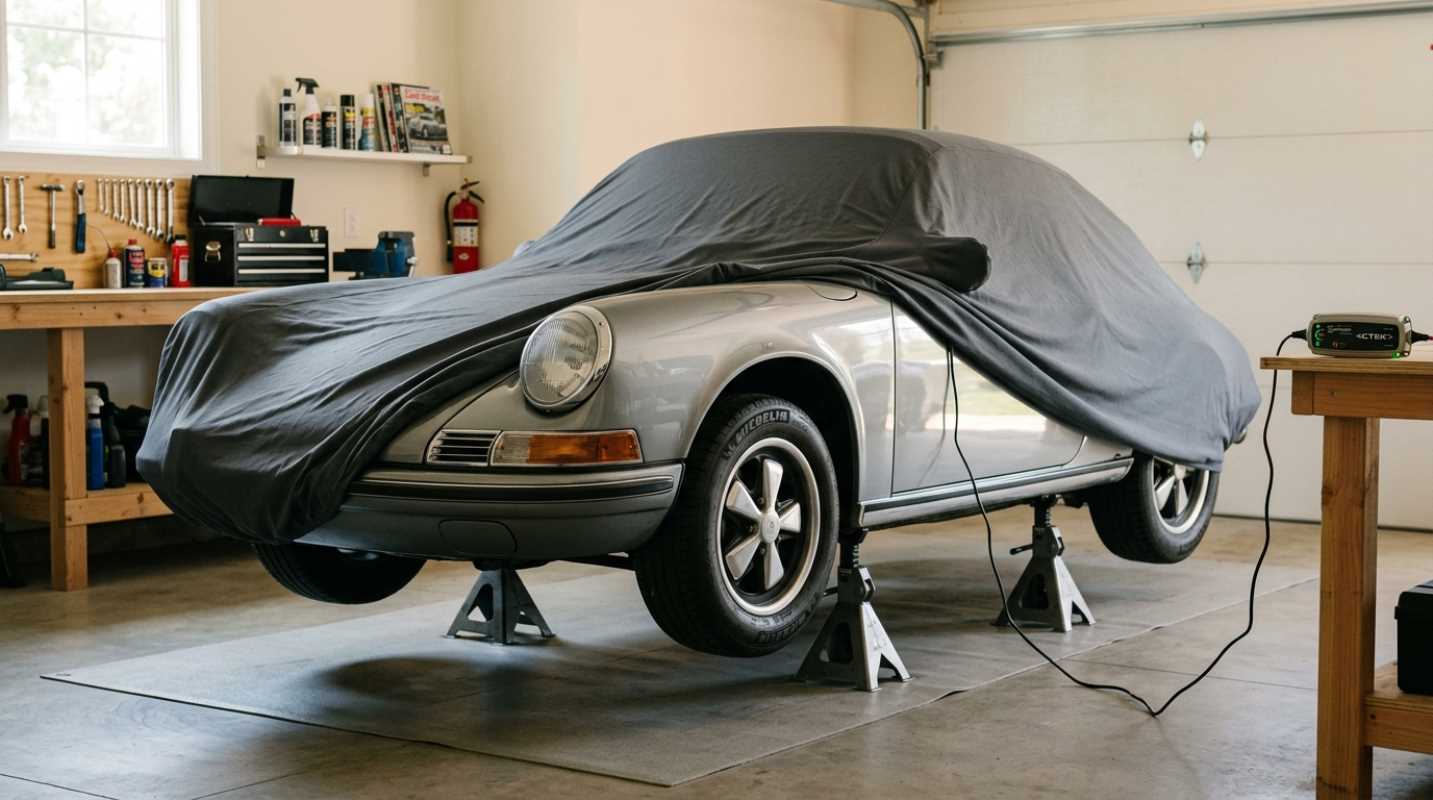
Cars are designed to be driven. A battery naturally loses its charge over time, even when the car is parked. Driving your vehicle for at least 20 minutes once a week allows the alternator to fully recharge the battery. Short trips are often insufficient for this purpose. The starter motor uses a significant amount of energy to crank the engine. If you only drive a few miles to the store, the alternator may not have enough time to replenish what was used. Combine your errands into one longer trip to keep the charging system efficient.
Keep It Clean and Tidy
Dirt and grease on the battery case can actually drain power. This grime can become conductive, creating a mild short circuit across the top of the battery that slowly saps energy. Keeping the top of the battery clean is a simple fix. Wipe it down periodically with a paper towel or a rag to remove dust and oil.
Secure the Hold-Down Bar
Open your hood and gently try to wiggle the battery. It should be firmly clamped in place. A battery that vibrates excessively while you drive can suffer internal damage. The active material on the lead plates can shake loose, leading to a short circuit. Ensure the hold-down bracket or clamp is tight enough to prevent movement but not so tight that it cracks the case.
Fighting Corrosion: The Silent Killer
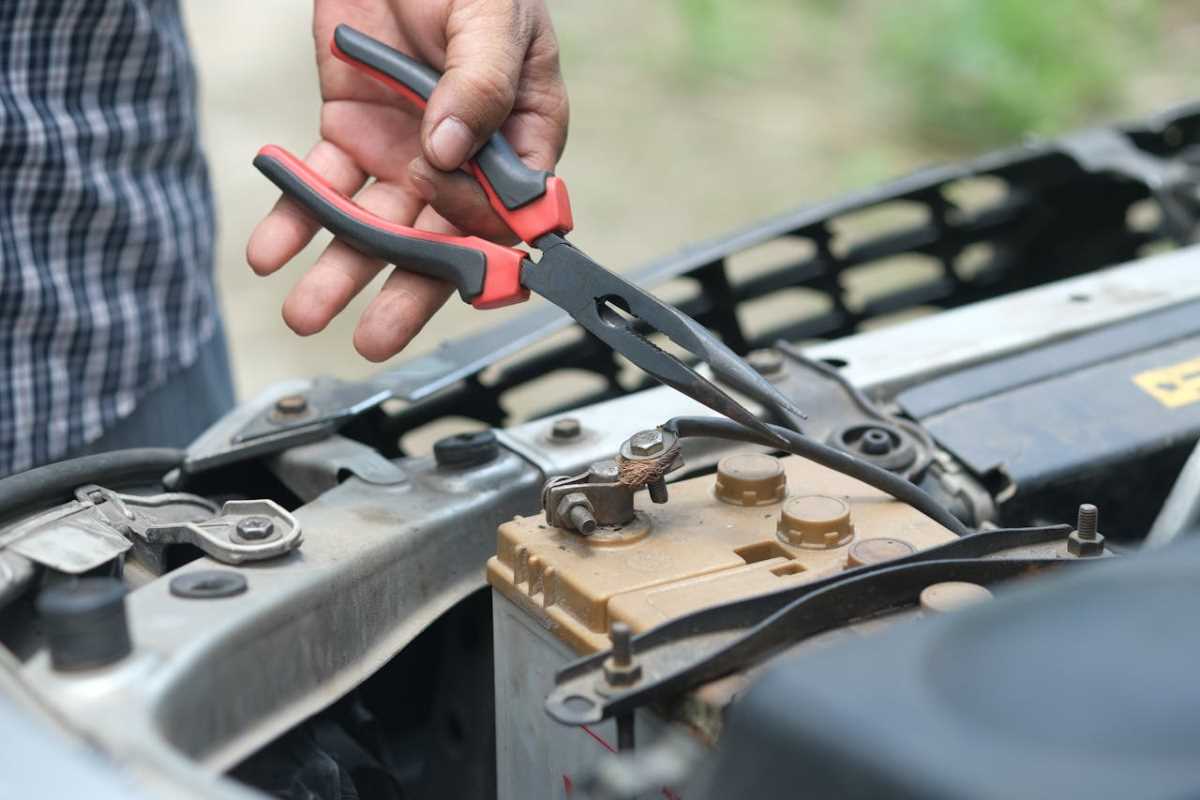
Corrosion is the white, blue, or green powdery substance that often builds up around the battery terminals. It is a natural byproduct of the battery releasing hydrogen gas, but it acts as an insulator. This means it blocks the flow of electricity, making it harder for the battery to start the engine and harder for the alternator to recharge it.
Cleaning the Terminals
You can clean this buildup easily at home. Mix a solution of baking soda and water. Disconnect the negative (black) cable first, then the positive (red) cable to prevent sparks. Use an old toothbrush or a wire brush dipped in the baking soda mixture to scrub the terminals and cable connectors. The solution will bubble as it neutralizes the acid. Rinse with a little plain water and dry thoroughly with a clean cloth. Reconnect the positive cable first, then the negative. A thin layer of petroleum jelly on the terminals can help prevent future corrosion.
The Myth of Maintenance-Free
Many modern batteries are labeled "maintenance-free," which simply means they are sealed and do not require you to add water. However, this does not mean they require zero attention. You still need to keep the terminals clean and ensure the alternator is charging correctly.
Checking Water Levels (For Older Batteries)
Some older or heavy-duty batteries have removable caps on the top. These allow you to check the electrolyte level. The fluid should cover the lead plates inside. You should add distilled water—never tap water—if the level is low. Tap water contains minerals that can damage the internal plates. Be careful not to overfill, as the fluid expands when the battery heats up.
Identifying Warning Signs Early
Your car often gives you subtle hints before the battery dies completely. Paying attention to these signals can save you the hassle of a jump start.
The Slow Crank
Listen carefully when you turn the key. A sluggish or slow cranking sound suggests the battery is struggling to provide enough power to the starter. This is often the first and most obvious sign of a weak battery. It usually means the battery has lost capacity and is nearing the end of its life.
Dimming Headlights
Notice if your headlights seem dimmer than usual, especially when the car is idling. If the lights brighten significantly when you rev the engine, it indicates the battery is not holding a steady charge, and the alternator is working overtime to compensate. This is a clear indicator that the electrical system needs inspection.
The Dashboard Warning Light
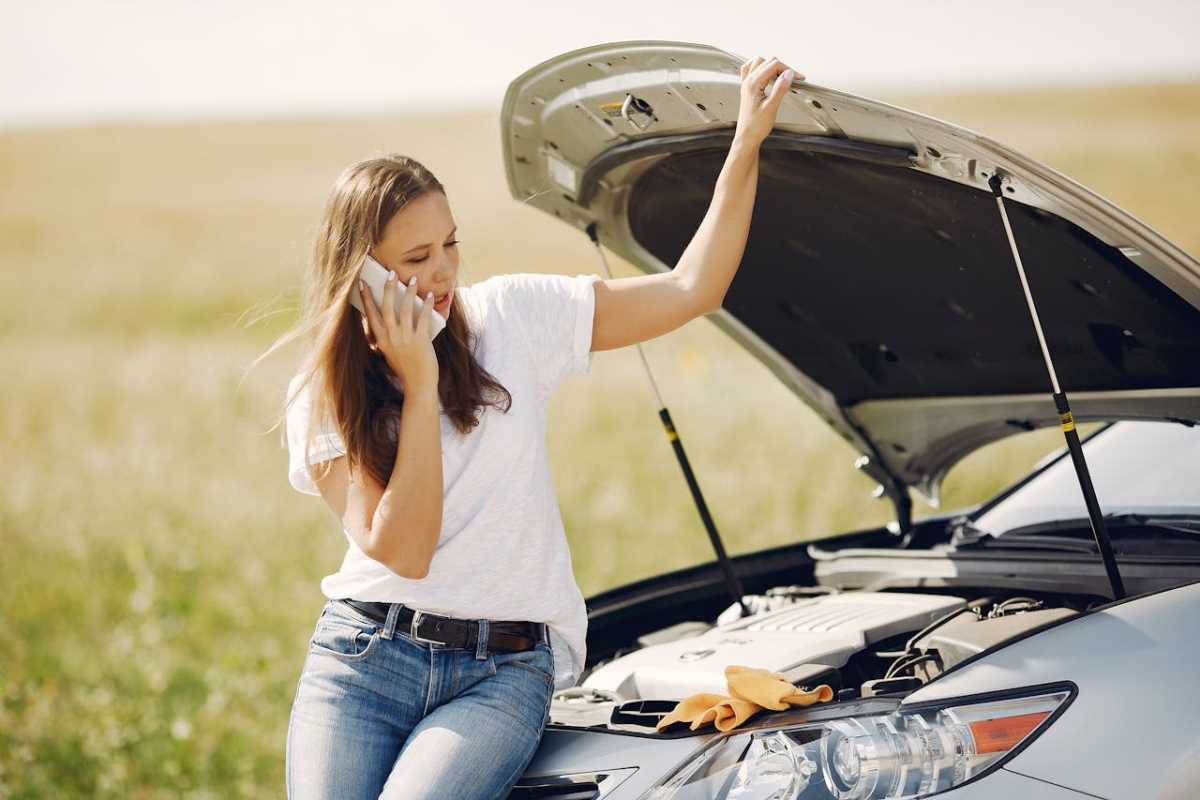
A battery-shaped light on your dashboard is a direct message from your car's computer. It usually indicates a problem with the charging system, not necessarily just the battery itself. It could mean a failing alternator or a loose belt. You should have the system tested immediately if this light appears while you are driving.
The Old Age Factor
Time eventually claims every battery. Most car batteries last between three and five years. Climate plays a huge role in this; hot climates tend to shorten battery life more than cold ones. Checking the manufacturing date code on the battery case helps you track its age. You should consider preemptively replacing a battery that is more than four years old, even if it seems to be working fine.
Parasitic Drains: The Invisible Thief
Sometimes a battery dies repeatedly even though it is relatively new. This usually points to a parasitic drain. This happens when an electrical component continues to draw power after the engine is turned off.
Common Culprits
Interior lights left on, a glove box light switch that sticks, or an aftermarket alarm system can all slowly drain the battery. Modern cars have many computers that draw a tiny amount of power to retain memory, which is normal. A drain becomes a problem when it exceeds this normal level. You can have a mechanic perform a parasitic draw test if your battery keeps dying mysteriously.
Testing for Peace of Mind
Regular testing takes the guesswork out of battery care. You do not need to wait for a failure to know the health of your battery.
Professional Testing
Most auto parts stores and repair shops offer free battery testing. They use a handheld tester that measures the battery's Cold Cranking Amps (CCA) and voltage under load. This test provides a clear snapshot of the battery's health. We recommend having your battery tested twice a year, especially before winter and summer, when extreme temperatures put the most stress on the system.
DIY Testing with a Multimeter
You can perform a basic check at home with a simple multimeter. Set the meter to DC voltage and touch the red probe to the positive terminal and the black probe to the negative terminal. A fully charged, healthy battery should read about 12.6 volts or higher with the engine off. A reading below 12.4 volts indicates the battery needs charging. With the engine running, the reading should be between 13.7 and 14.7 volts, showing that the alternator is charging properly.
Safe Jump-Starting Practices
Knowing how to safely jump-start a car is an essential skill for every driver. It can get you home or to a shop if your battery does fail.
The Correct Sequence
Park the booster vehicle close enough so the cables reach, but do not let the vehicles touch. Turn off both engines. Connect the red clamp to the dead battery's positive terminal. Connect the other red clamp to the donor battery's positive terminal. Connect the black clamp to the donor battery's negative terminal. Finally, connect the last black clamp to an unpainted metal surface on the dead car’s engine block, away from the battery. This prevents sparks near the battery, which can be dangerous. Start the donor car first, then try to start the dead car.
Caring for your car battery involves awareness and small, consistent actions. Keeping connections clean, driving regularly, and testing annually allows you to drive with confidence. You are not just saving money on replacements; you are ensuring your safety and reliability on the road. Embrace these simple habits, and your car will be ready to go whenever you are.