 (Image via
Winter brings cozy sweaters and scenic snowfalls, but it also delivers some of the toughest conditions your car will face all year. Freezing temperatures, icy roads, and heavy snow can put a serious strain on your vehicle, turning minor issues into major breakdowns. We want you to feel safe and confident on the road, no matter the weather. Preparing your car for the cold is a powerful act of self-care that prevents stress and keeps you moving. You have the ability to tackle winter head-on. This guide provides a simple, empowering checklist to get your car ready, covering everything from your battery to your emergency kit, so you can navigate the season without worry.
1. Prioritize Your Battery's Health
Your car’s battery is the component most likely to fail in cold weather. The chemical reactions that generate electricity slow down dramatically as temperatures drop, meaning a weak battery can leave you stranded. Taking a few proactive steps gives you peace of mind on the coldest mornings. You’ve got this!
Get It Tested for Free
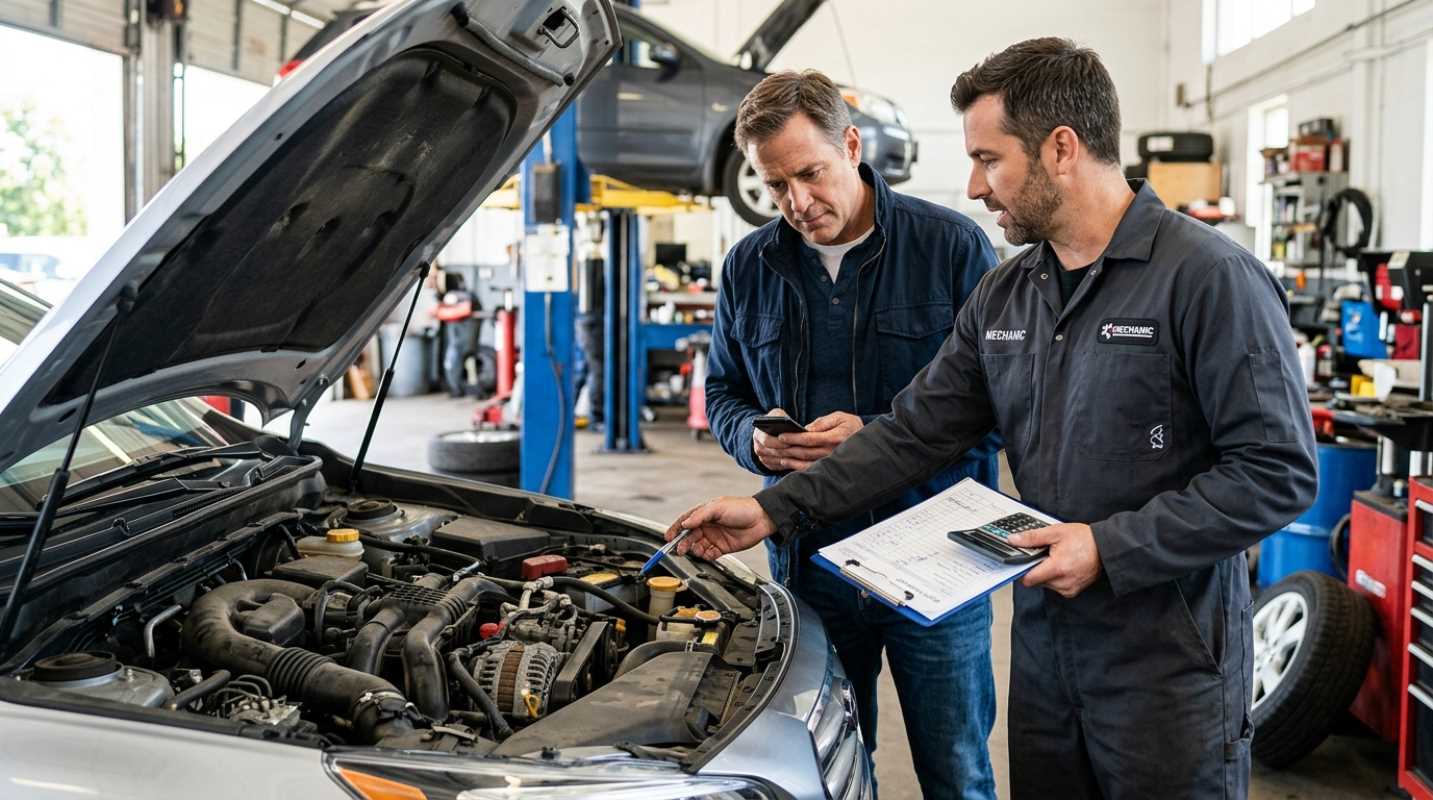
The most important thing you can do is have your battery professionally tested. Most auto parts stores and repair shops offer this service for free. They use a handheld device to measure your battery's Cold Cranking Amps (CCA), which is its ability to start an engine in cold temperatures. This simple test reveals the battery's true health. A battery that is more than three years old is a prime candidate for a pre-winter check.
Clean the Terminals
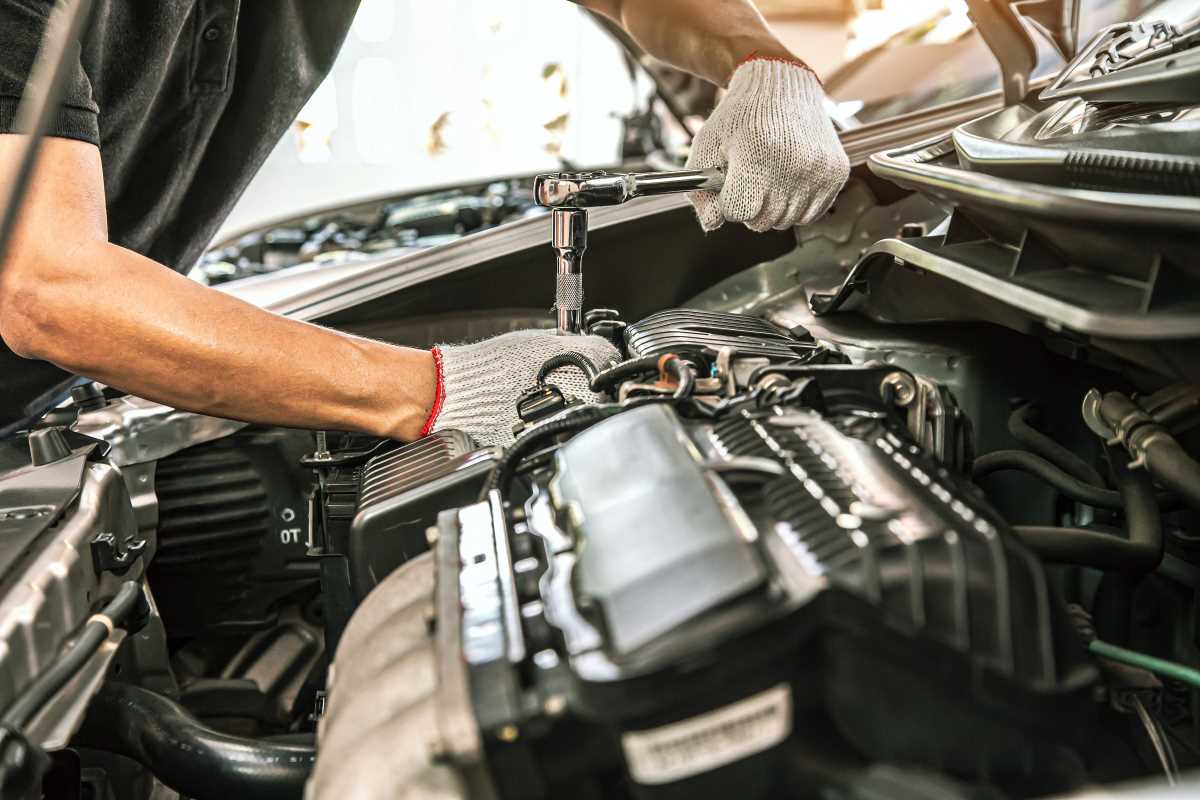
Look at the metal posts where the battery cables connect. You might see a white or bluish powdery substance, which is corrosion. This buildup acts as an insulator, blocking the flow of electricity and making it harder for your battery to work. Cleaning it is easy. Disconnect the cables (negative first, then positive), scrub the posts and connectors with a wire brush and a baking soda/water paste, then rinse and dry. Reconnect the cables (positive first, then negative) to ensure a solid, reliable connection.
2. Focus on Tires and Traction
Your tires are your only connection to icy, slippery roads. Their condition is absolutely critical for safe winter driving. Giving them the right attention ensures you have the grip and control you need.
Check Your Tire Pressure Frequently
Cold air is denser than warm air, causing the pressure in your tires to drop about one PSI for every 10-degree Fahrenheit drop in temperature. Underinflated tires have poor traction and wear out unevenly. You should check your tire pressure weekly during the winter. The correct PSI for your car is on a sticker inside the driver’s doorjamb, not on the tire itself. Use a reliable gauge and check them when they are "cold" for an accurate reading.
Inspect Your Tread Depth
The grooves in your tires are designed to channel away snow and slush, helping the tire grip the road. As the tread wears down, this ability diminishes. You can easily check the depth with a U.S. penny. Place the penny into a tread groove with Lincoln's head upside down. If you can see the top of his head, your tread is below the safe limit of 2/32 of an inch, and it is time for new tires.
Consider Winter Tires
All-season tires are adequate for mild winter conditions, but they are not ideal for heavy snow and ice. The rubber compound in all-season tires stiffens in the cold, reducing traction. Dedicated winter tires use a softer rubber compound that stays flexible in freezing weather. They also have special tread patterns with thousands of tiny slits (called sipes) that bite into ice and snow. This makes a world of difference in your car’s ability to stop and turn safely.
3. Maintain Clear Visibility
Being able to see and be seen is paramount during a snowstorm or on a dark winter evening. Simple checks on your wipers and lights can prevent dangerous situations.
Replace Your Wiper Blades
Wiper blades are made of rubber, which becomes brittle and cracked with exposure to sun and cold. Worn blades will only smear snow and slush across your windshield, making visibility worse. You should replace your blades every six to twelve months. Installing a new pair is an inexpensive and easy DIY task that takes just a few minutes.
Use Winter-Ready Washer Fluid
Top off your windshield washer reservoir with a de-icing fluid specifically formulated for winter. This fluid contains a higher concentration of alcohol to prevent freezing and can help melt thin layers of ice on your windshield. Standard washer fluid can freeze in the lines or on your windshield, rendering it useless when you need it most.
Check All Exterior Lights
Walk around your car and ensure every light is working correctly. This includes your headlights (high and low beams), taillights, brake lights, and turn signals. With shorter days and often-poor visibility, functioning lights are essential for your safety and the safety of others.
4. Protect Your Engine and Fluids
The engine and its supporting fluids work much harder in the cold. Ensuring they are in top shape is key to avoiding a breakdown.
Check Your Coolant (Antifreeze)
Coolant, or antifreeze, is a 50/50 mixture of antifreeze and water that protects your engine from both freezing and overheating. The technician at your local shop can use a simple tool to test the freezing point of your coolant. This ensures it provides adequate protection for the temperatures in your area. Low coolant levels could also indicate a leak, which should be addressed immediately.
Change Your Oil
Clean oil is essential for lubricating your engine's moving parts, especially during cold starts when oil is thicker and flows more slowly. Some manufacturers recommend switching to a thinner, lower-viscosity oil for winter to improve flow in cold temperatures. Following the oil change schedule in your owner’s manual is a great way to protect your engine’s long-term health.
5. Assemble a Winter Emergency Kit
We hope you never have to use it, but having an emergency kit in your car can turn a scary situation into a manageable inconvenience. You can easily put one together yourself. Your kit should include:
- Warmth and Safety: A warm blanket, extra gloves, a hat, and a scarf. A small, foldable shovel and an ice scraper are also essential.
- Visibility: A flashlight with extra batteries and emergency flares or reflective triangles.
- Essentials: A portable phone charger or power bank, jumper cables, and non-perishable snacks and water.
- Traction Aids: A bag of sand or cat litter can provide extra traction if your tires get stuck in the snow.
Taking these preparatory steps empowers you as a driver. It is about taking control of your safety and ensuring your vehicle is a reliable partner through the winter months. With this checklist, you are ready to face the cold with confidence.