 (Image via
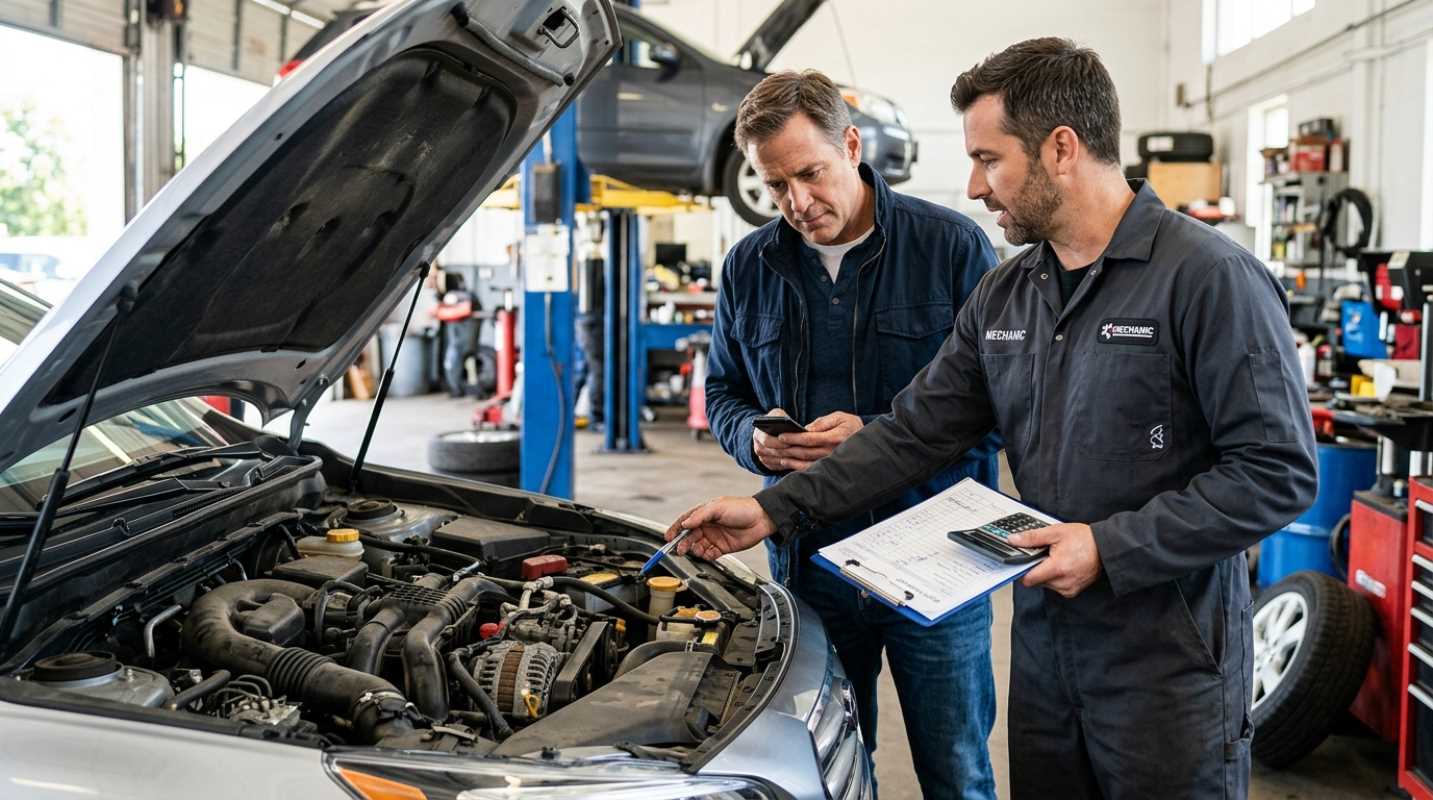
Taking your car in for a routine inspection can sometimes feel like a mystery. You hand over your keys, hope for the best, and wait for a report that might include terms you have never heard before. We believe knowledge is power, and understanding what a good inspection covers empowers you to be a confident car owner. This is not about finding problems; it is about preventing them. A thorough check-up is a proactive way to ensure your safety and keep your car running reliably for years. This guide is here to pull back the curtain on the process. We will walk you through the essential checkpoints, explaining what technicians look for and why each one matters, so you know exactly what your car needs.
The Foundation: Fluids and Filters
Your car relies on a variety of fluids to lubricate, cool, and operate its most critical systems. Think of them as the lifeblood of your vehicle. A routine inspection always begins here, as fluid levels and conditions offer a clear snapshot of your car's overall health. You’ve got this!
Engine Oil and Filter
The technician will check the engine oil level and its condition. Clean oil is typically a translucent amber color. Dark, gritty, or milky oil can signal problems. Low oil levels could mean a leak or that the engine is burning oil. The oil filter is also checked, as a clogged filter can restrict oil flow and lead to engine damage. This check ensures your engine is properly lubricated, which is vital for preventing friction and wear.
Coolant (Antifreeze)
Your engine generates immense heat, and the cooling system is what keeps it from overheating. A technician will inspect the coolant level in the reservoir and check its condition. The coolant should be clean and free of rust or debris. They will also look for any leaks in the radiator, hoses, or water pump. This simple check protects you from a roadside breakdown due to an overheated engine.
Brake Fluid
Brake fluid is a hydraulic fluid that transmits the force from your foot on the pedal to the brakes. The inspection involves checking the fluid level in the master cylinder reservoir. Low fluid can indicate worn brake pads or a leak in the system, which is a major safety concern. The fluid’s color is also important; fresh brake fluid is clear or light amber. Dark or murky fluid has likely absorbed moisture, which can reduce braking performance and corrode brake lines.
Transmission and Power Steering Fluids
The technician will check the transmission fluid to ensure it is at the proper level and is not burnt or discolored. Healthy transmission fluid is crucial for smooth gear shifts. Likewise, the power steering fluid will be inspected to ensure your steering remains effortless and responsive.
Air and Cabin Filters
Your car has two important air filters. The engine air filter prevents dust and debris from entering the engine. A clogged filter can reduce fuel efficiency and acceleration. The cabin air filter cleans the air you breathe inside the car. A dirty cabin filter can cause musty odors and reduce airflow from your A/C and heater. Both are simple replacements that make a big difference.
Safety Systems: Brakes, Tires, and Suspension
These are the components that keep you in control and connected to the road. A thorough inspection of these systems is non-negotiable for your safety.
Comprehensive Brake Check
This goes beyond just the fluid. A technician will visually inspect the brake pads and rotors (or drums and shoes) to measure their thickness and look for signs of wear. They will also check the condition of the brake lines and hoses, looking for any cracks, leaks, or corrosion. This ensures your car can stop safely and effectively every single time.
Tire Health and Alignment
Your tires are your only point of contact with the road, making their condition critical. The inspection should include:
- Tread Depth: Using a gauge to ensure you have enough tread for safe traction, especially in wet conditions.
- Tire Pressure: Checking that all tires are inflated to the manufacturer’s recommended PSI for optimal handling and fuel economy.
- Visual Inspection: Looking for any bulges, cracks, or uneven wear patterns. Uneven wear is often a sign of an alignment problem, which a technician can also check. A proper wheel alignment ensures your car drives straight and extends the life of your tires.
Suspension System
The suspension system, which includes shocks, struts, and springs, absorbs bumps in the road and keeps your tires planted firmly on the ground. A technician will look for any signs of fluid leaks from the shocks or struts, and check for worn or damaged bushings and joints. A healthy suspension system is key to a stable, comfortable ride.
Under the Hood: The Powertrain and Battery
This part of the inspection focuses on the heart of your vehicle—the components that create and deliver power.
Battery and Electrical System
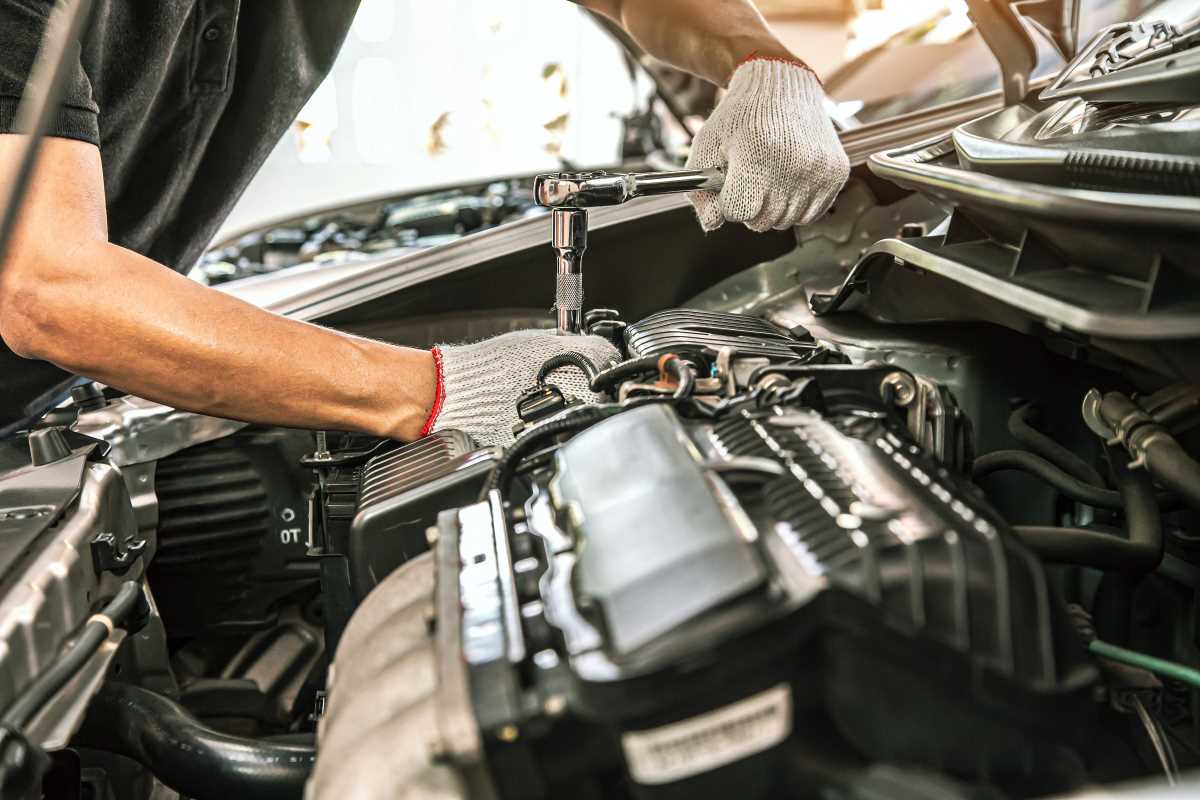
A dead battery is one of the most common reasons for a car not starting. A technician will test the battery's voltage and charge level. They will also clean any corrosion from the terminals and ensure the cable connections are tight and secure. This simple test can tell you if your battery is nearing the end of its life, allowing you to replace it before it leaves you stranded.
Belts and Hoses
Your engine bay is full of rubber belts and hoses that can degrade over time. The serpentine belt powers accessories like the alternator and power steering pump. The timing belt (on some cars) keeps the engine’s internal parts moving in sync. A technician will inspect these for any cracks, fraying, or glazing. They will also check the radiator hoses and other fluid lines for softness, bulges, or leaks. A broken belt can cause an immediate breakdown, so this preventative check is vital.
Exhaust System
The exhaust system routes harmful gases away from the engine and cabin. An inspector will check the entire system, from the engine to the tailpipe, looking for any rust, holes, or loose connections. A leak in the exhaust system is not only noisy but can also allow dangerous carbon monoxide to enter the cabin.
Final Checks: Lights, Wipers, and More
The inspection concludes with a check of the remaining systems that contribute to your safety and comfort.
Lights and Signals
A walk around the vehicle ensures all exterior lights are working correctly. This includes headlights (both high and low beams), taillights, brake lights, turn signals, and reverse lights. Proper lighting is essential for seeing and being seen by other drivers.
Windshield and Wipers
The technician will inspect the windshield for any chips or cracks that could impair your vision or compromise the vehicle’s structural integrity. They will also test the windshield wipers to ensure they clear the glass effectively and check the wiper blades for any signs of wear or cracking.
A routine inspection is your best tool for proactive car care. It provides a complete picture of your vehicle's health and allows you to address small issues before they become expensive, dangerous problems. By understanding what a quality inspection involves, you can have confident conversations with your mechanic and make informed decisions about your car. You are in the driver’s seat of your vehicle's maintenance journey.