Have you ever spent hours scrolling through online car listings, feeling a mix of pure excitement and absolute dread? You find a great car, but then the panic sets in. Is this a reliable ride, or is it a polished lemon?
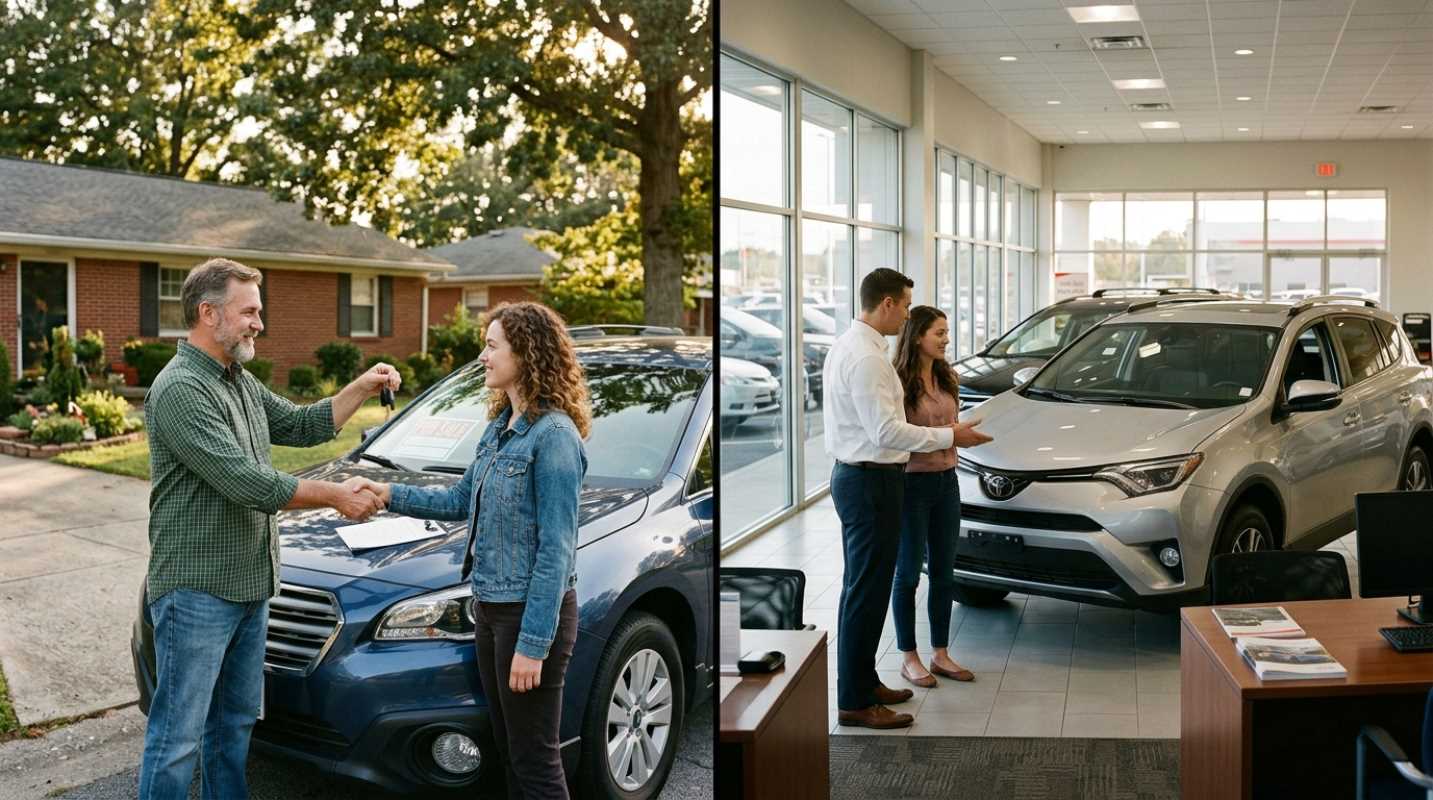
Buying a used car is a major financial milestone, but the path you choose to get those keys matters just as much as the car itself. The big question always comes down to this: should you buy from a dealership or a private seller?
In 2026, navigating this choice is trickier than ever. High interest rates and a shifting market mean your budget, your tolerance for risk, and how much free time you have will dictate your path. Let's break down both options so you can make the smartest choice for your wallet.
Buying from a Dealership for Convenience and Peace of Mind
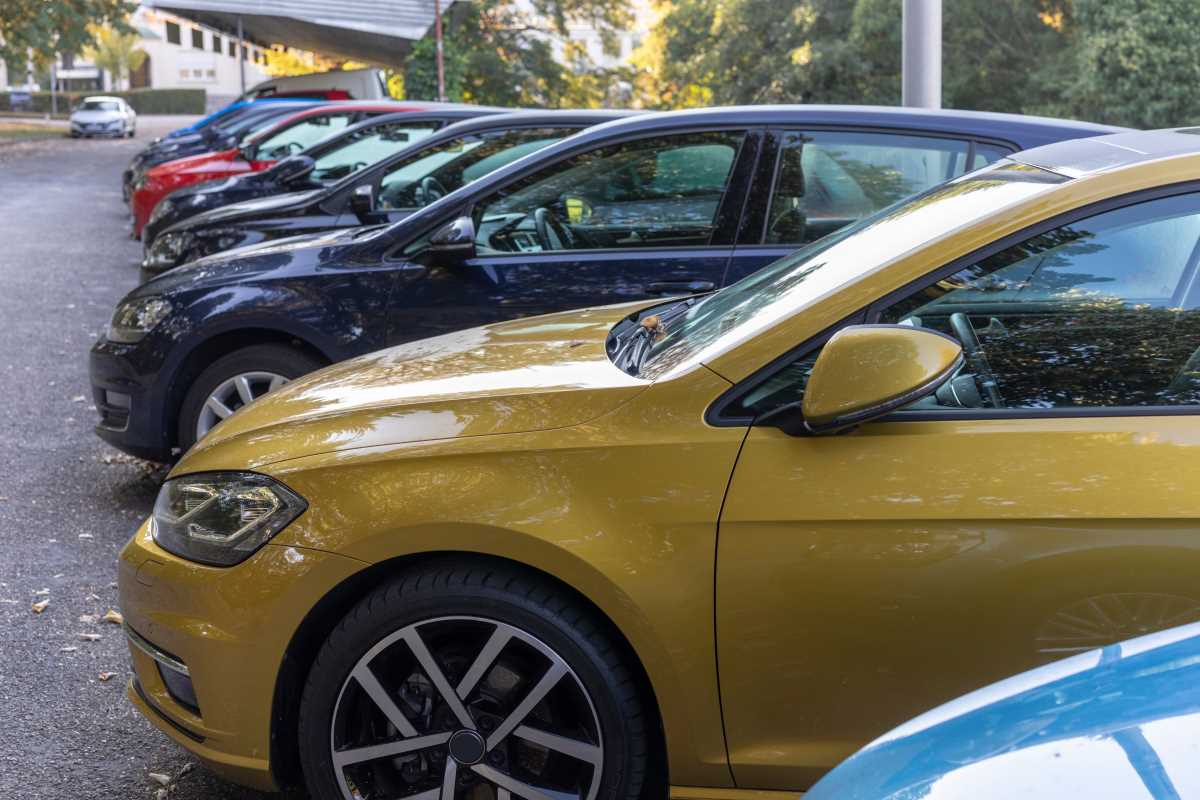
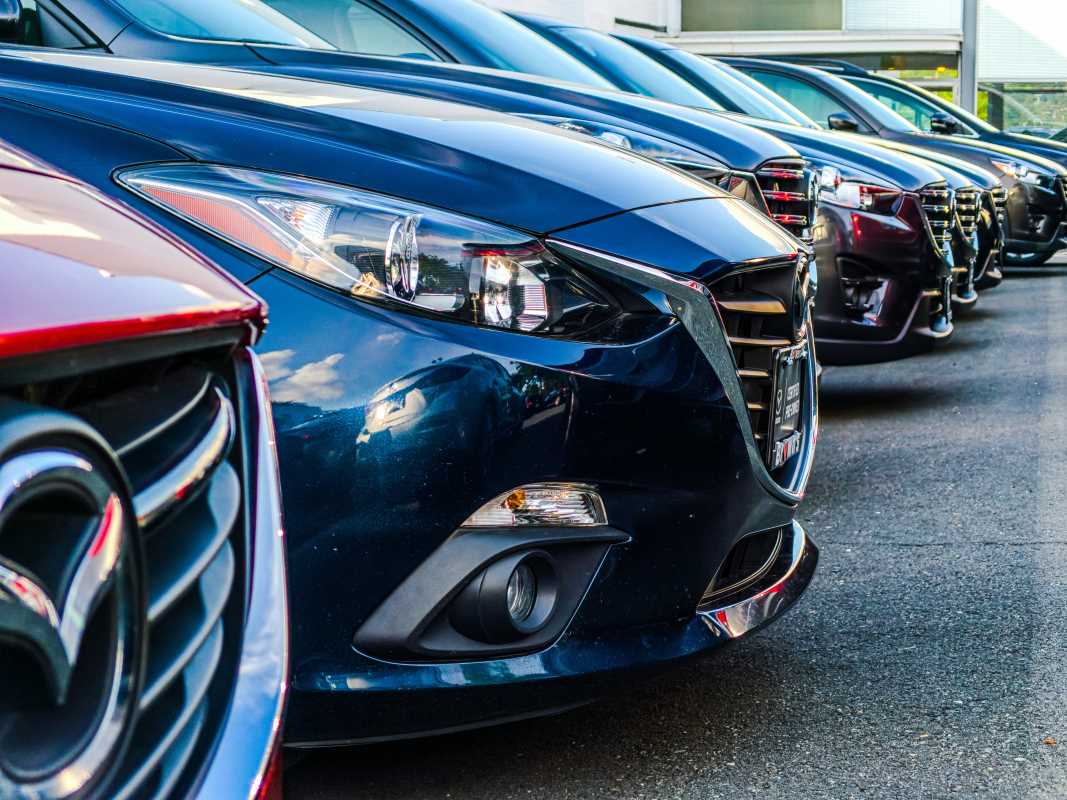
Walking onto a dealership lot offers a certain level of comfort. You see rows of shiny cars, clean offices, and salespeople ready to guide you through the process. It feels official, and for many buyers, that professional environment translates to peace of mind.
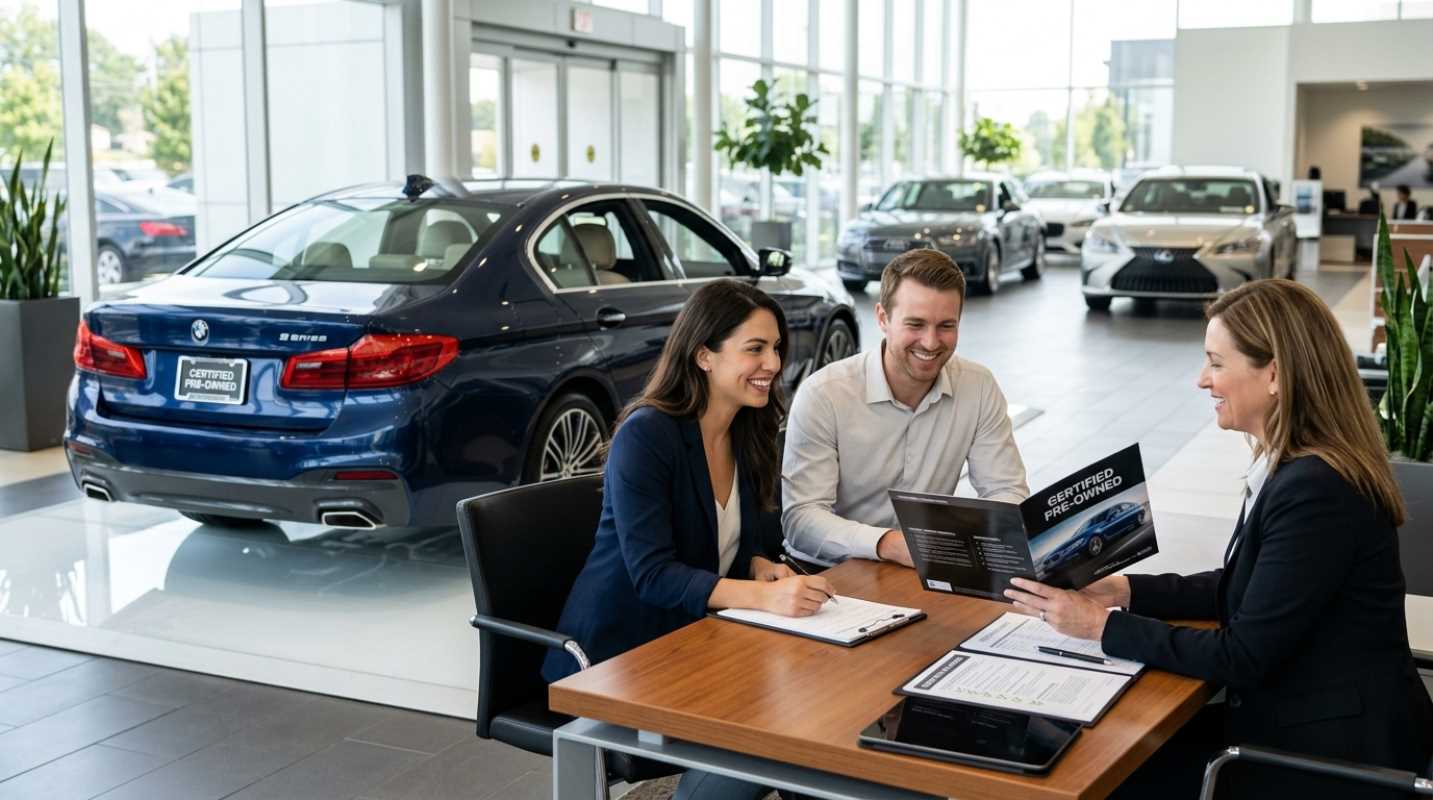
One of the biggest advantages of buying from a dealer is the access to certified pre-owned (CPO) programs and warranties. Unlike a private sale, where you are completely on your own, many dealership vehicles come with short-term warranties. If you choose a CPO vehicle, you get a manufacturer-backed warranty that protects you from sudden mechanical failures.
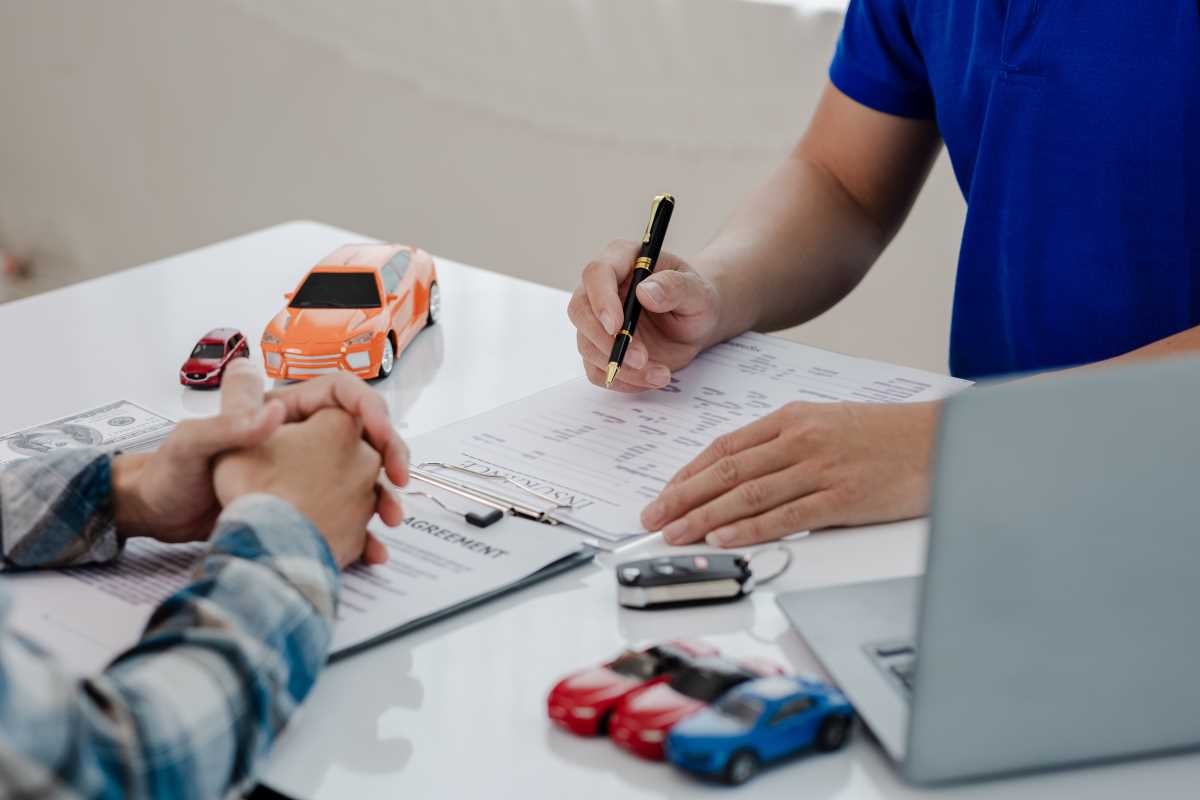
Dealerships also act as a one-stop shop. They handle the stressful parts of the transaction, like transferring the title, registering the vehicle with the DMV, and securing license plates. Plus, they offer on-site financing and accept trade-ins. If you want to trade in your old ride to lower your purchase price, a dealer makes it seamless.
So what is the catch? It comes down to cost. Dealerships have massive overhead, and they pass those expenses on to you.
The current used car market shows that the average used vehicle lists for around $25,825.³ If you want a newer, three-year-old vehicle, the average transaction price jumps to $31,548.² Although three-year-old cars have dropped to retaining just 66% of their original MSRP (a great depreciation win for buyers), financing them is still incredibly expensive.²
With interest rates hovering between 6% and 9% for prime buyers, and climbing into double digits for subprime buyers, average monthly payments have soared past $750. When you add high-pressure sales tactics and shady dealer fees, the price tag gets even heavier. In fact, the Federal Trade Commission recently cracked down on 97 auto dealership groups nationwide for deceptive pricing and hidden add-on fees. Dealers might also mark up the interest rate banks offer you to pocket the difference, meaning you pay more over the life of your loan.
Buying from a Private Seller to Find the Best Value
If you want to avoid dealer markups and high-pressure finance offices, buying from a private seller is your best alternative. It is often the only route if you are working with a tight budget.
Let's look at the financial perks. Private sellers don't have to pay for showroom electricity or sales commissions, so their cars are usually priced 10% to 15% lower than dealer retail prices.¹ You also bypass those annoying dealer documentation and prep fees, which can easily tack an extra $500 to $2,000 onto your bill.
Finding an affordable car at a dealership has become almost impossible. Sales of vehicles priced under $25,000 have plummeted by 78% over the last five years. If your budget is under $15,000, dealer lots will likely have nothing for you, making private sellers your primary option.
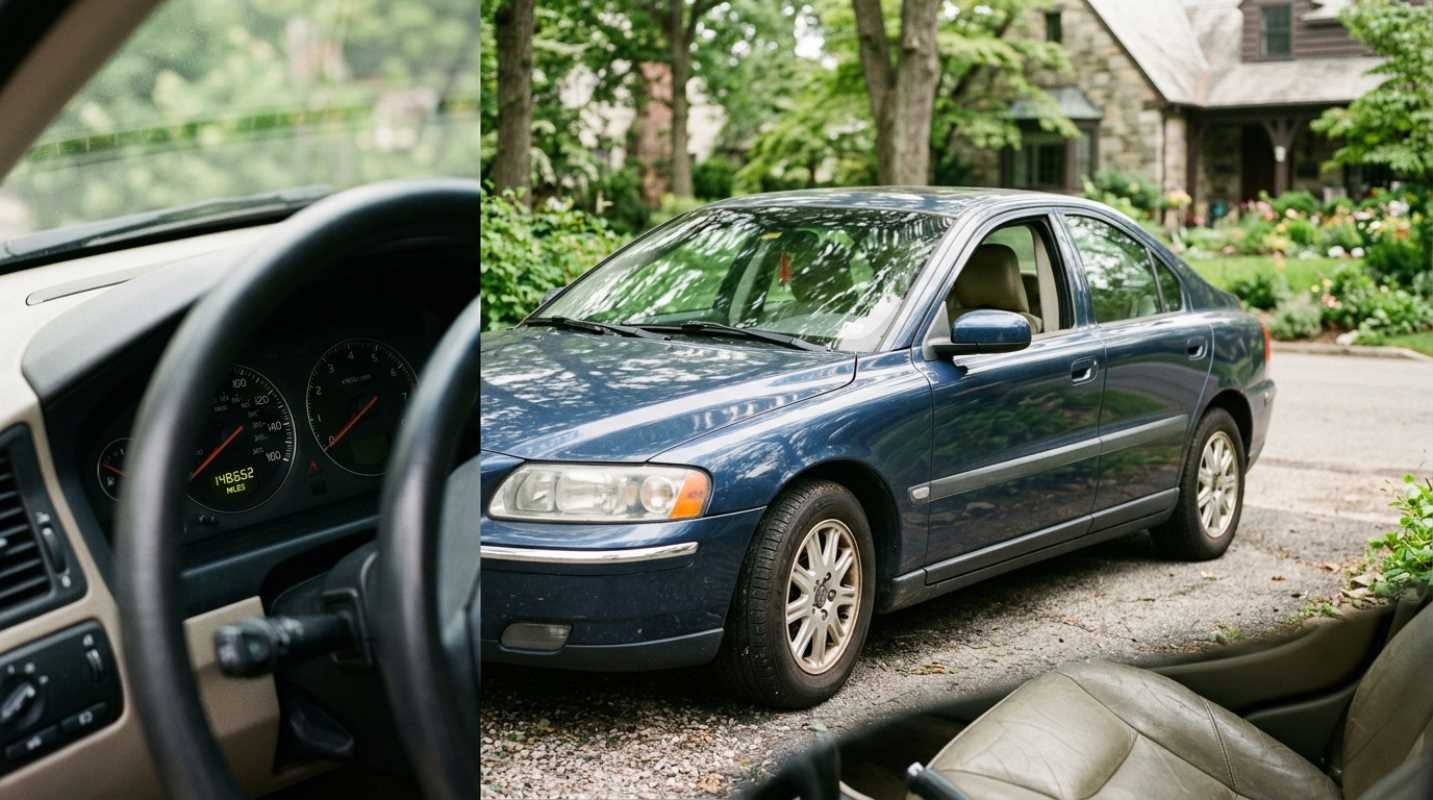
When you buy from an individual, you also get to talk directly to the person who lived with the car. They can tell you about its real-world fuel economy, its quirks, and how they maintained it. It feels more personal, like buying a house from the family who built it.
But this route comes with serious risks. The biggest downside is that almost all private sales are strictly as-is.⁴ If the engine fails on your drive home, you have zero legal recourse.
You also have to do all the heavy lifting yourself. You must handle the title transfer, register the car, pay the sales tax at the DMV, and verify there are no active liens. There is no on-the-spot financing, so you must have the full cash amount ready or secure a personal loan beforehand.
The Important Checklist to Buy a Used Car Safely
No matter which path you choose, you need a solid game plan to protect your money. The used car world has its share of scammers, so staying vigilant is your best defense.
Here is your ultimate safety checklist
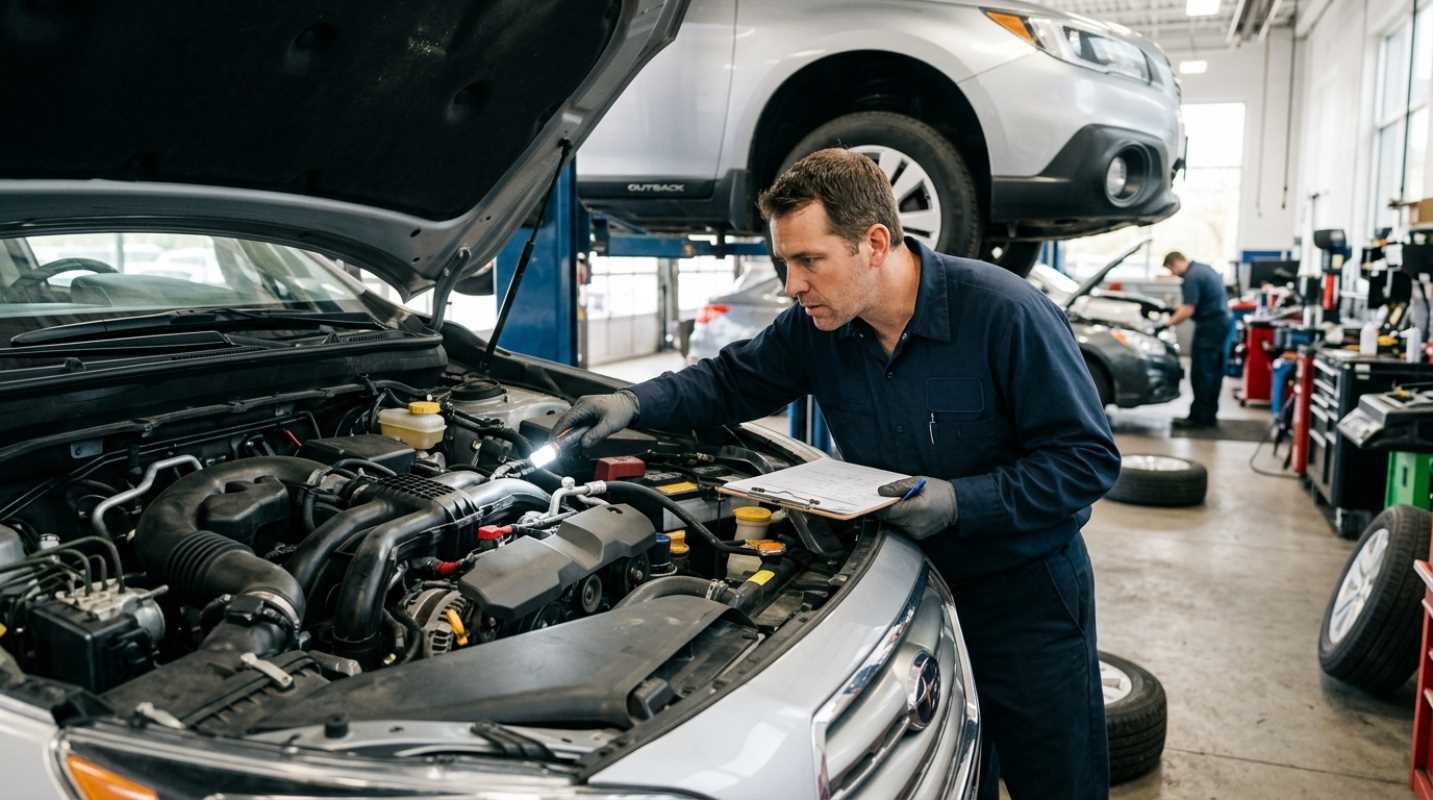
• Get a Pre-Purchase Inspection (PPI): Never skip this step. Pay an independent, third-party mechanic $100 to $200 to inspect the car before you hand over any money. If a seller or dealer refuses to let you take the car to a mechanic, walk away immediately.
• Pull Your Own History Report: Don't rely on a printed report from the seller. Use the vehicle identification number (VIN) to pull a fresh report from CARFAX or AutoCheck. Check for odometer discrepancies, salvage titles, and service history.
• Verify the Title and Identity: Make sure the name on the seller’s driver’s license matches the name on the title. If they claim they are selling it for a cousin or a friend, you are likely dealing with a curbstoner. Curbstoning is when unlicensed dealers pretend to be private sellers to dump salvage or lemon cars.
• Use Secure Payment Services: Walking around with thousands of dollars in cash is dangerous, and wire transfers offer no protection. For private sales, use verified automotive escrow platforms like KeySavvy or Caramel. They secure your payment, verify titles, and make sure a legal transfer of ownership. If you use a cashier's check, complete the transaction inside the buyer's bank branch so the teller can verify the funds on the spot.
• Meet in a Safe Exchange Zone: Always meet private sellers during daylight hours in public, camera-monitored areas. Many police departments offer designated Safe Exchange Zones in their parking lots for these exact transactions.
• Combat Dealer Add-Ons: If you go the dealer route, screenshot the online advertised price before you walk in. Review the final paperwork line-by-line and refuse to pay for pre-installed add-ons like nitrogen-filled tires or paint protection unless you actually want them.
If you are ready to start searching for your next used vehicle, check out these trusted platforms and services to help you secure a safe, reliable ride.
Making Your Final Used Car Decision
At the end of the day, the choice between a dealership and a private seller comes down to what you value most.
If you want convenience, warranty protection, and easy financing, a dealership is your best bet. It will cost you more upfront, but you save time and gain legal protections.
If you are hunting for a bargain, have a budget under $15,000, and don't mind doing the DMV paperwork yourself, a private seller is the way to go. Just make sure you invest in a pre-purchase inspection and use secure payment methods to protect yourself.
Trust your gut. If a deal feels too good to be true, it probably is. Do your homework, ask the right questions, and you will drive away with a vehicle you love at a price you can afford.
Sources:
1. AutoTrader Guide on Private Sellers vs. Dealers
https://www.autotrader.com/car-shopping/buying-a-used-car-private-seller-or-dealer-221311
2. Jupiter Chevrolet Expert Buying Guide
https://www.jupiterchev.com/blogs/6872/new-or-used-vehicle-in-2026-expert-buying-guide
3. Cox Automotive Used Vehicle Inventory Reports
https://www.coxautoinc.com/insights/used-vehicle-inventory-september-2025/
4. Trust Auto Dealership vs Private Party Comparison
https://www.trustauto.com/blog/dealership-vs-private-party-used-car-buying
*This article on AutomobileVehicle is for informational and educational purposes only. Readers are encouraged to consult qualified professionals and verify details with official sources before making decisions. This content does not constitute professional advice.*