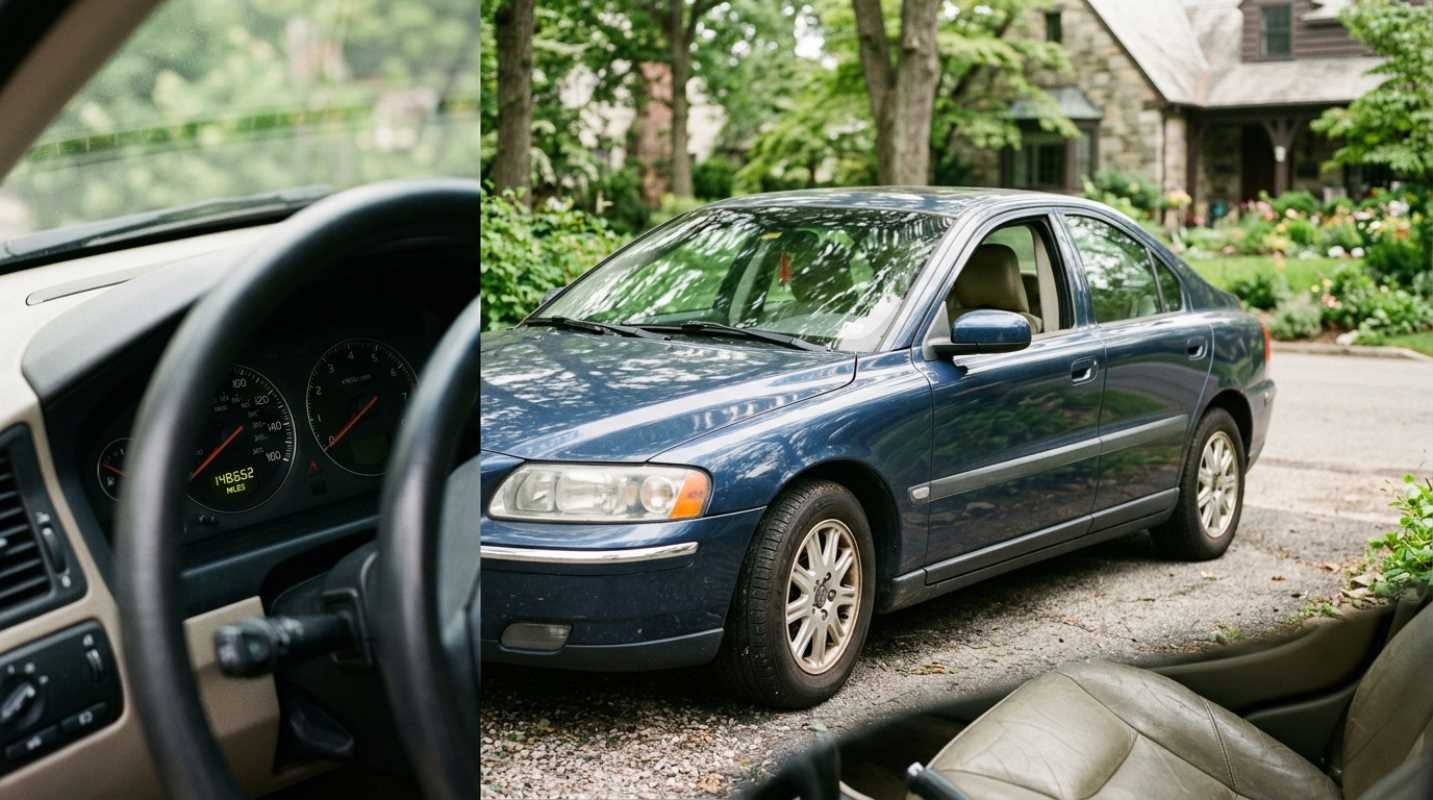
Have you ever spent hours scrolling through used car listings and found yourself completely stuck? On one hand, you see a shiny, four-year-old sedan with 90,000 miles on the odometer. On the other, there is an eight-year-old model of the same car with only 30,000 miles. They cost the exact same amount of money. Which one do you buy?
It is the classic used car dilemma. We often treat the odometer like a ticking time bomb, but chronological age has its own relentless way of eating away at a car's worth. So what does this actually mean for your wallet?
The moment a brand-new car leaves the dealership lot, its value drops by about 10%. By the end of the first year, you can wave goodbye to 20% of what you paid. Understanding how usage and calendar time drag these numbers down is the secret to making a smart purchase.
The Silent Killer How Age Impacts Components Beyond the Odometer
Let's start with the "garage queen." This is the car owned by someone who only drove it to the grocery store once a week. It looks pristine, but cars are meant to be driven. When a vehicle sits idle for long periods of time, quiet decay sets in.⁷
Rubber components do not care if the car is moving. Seals, hoses, and gaskets dry out, become brittle, and crack anyway. If you buy a ten-year-old car with barely any miles on it, you might soon find oil puddles on your driveway because the engine seals disintegrated from lack of lubrication.
Fluids also break down and absorb moisture over time, which leads to internal corrosion. Rust can quietly eat away at brake rotors and suspension parts while the car sits in a damp garage. Even the tires are at risk. They can look perfectly fine with deep tread, but rubber degrades after about six years, making them unsafe for the highway. Sometimes, a car that has been sitting is a mechanical headache waiting to happen.
High Mileage The Modern Reality of Vehicle Depreciation
Now, what about the high-mileage option? There is an old myth that once a car hits 100,000 miles, it is ready for the scrap heap. That might have been true in the 1980s, but modern engineering has changed the game.
Today, engines and transmissions are built with much tighter tolerances and better materials. It is common to see well-maintained vehicles easily sail past 200,000 miles. Yet, that 100,000-mile mark remains a massive psychological barrier for buyers. It is a cliff where resale values plunge. Many major dealerships will not even sell a car with six-digit mileage on their main lots, choosing to send them straight to wholesale auctions instead.
But here is a secret: not all miles are equal. High mileage accumulated quickly usually means highway miles. Highway driving is incredibly easy on a car because the engine runs at a stable temperature, the transmission stays in top gear, and you rarely use the brakes. Compare that to stop-and-go city driving, which batters your suspension, cooks your brakes, and puts constant stress on your engine. A two-year-old car with 75,000 highway miles is often in much better mechanical shape than a five-year-old city car with 40,000 miles.
The Sweet Spot Finding the Balance for Best Resale Value
If you want to get the most bang for your buck, you need to find the sweet spot where age and mileage balance out.
The steepest part of the depreciation curve happens in the first three to five years. According to market data from 2026, the average five-year depreciation rate has stabilized at 41.8%.⁴ That is actually a great thing for buyers because it means a five-year-old car has already shed its most expensive years, but still has plenty of life left. Year four is also where we see a sharper drop in value because that is when the original bumper-to-bumper manufacturer warranty expires.
To get the most from your investment, look for cars in the four-to-six-year range with 50,000 to 80,000 miles on the clock. At this stage, the original owner has taken the massive financial hit, but you still get modern safety features and infotainment tech.
If you are looking at electric vehicles, be careful. Data shows that EVs lose an average of 59% of their value over five years due to battery tech moving so fast.⁴ Hybrids and trucks are much safer bets, losing only about 40% in the same timeframe.⁴
If you are shopping for a used vehicle and want to find models that hold their value best, check out these options.
Maintenance Records The Final Verdict on Long-Term Value
At the end of the day, neither the model year nor the odometer reading tells the whole story. The ultimate tie-breaker is the maintenance history.⁶
A vehicle with 120,000 miles and a thick folder of oil change receipts, spark plug replacements, and transmission flushes is a far safer bet than a 60,000-mile car with a mystery past. Meticulous preventative maintenance mitigates the risks of both high mileage and old age.⁶
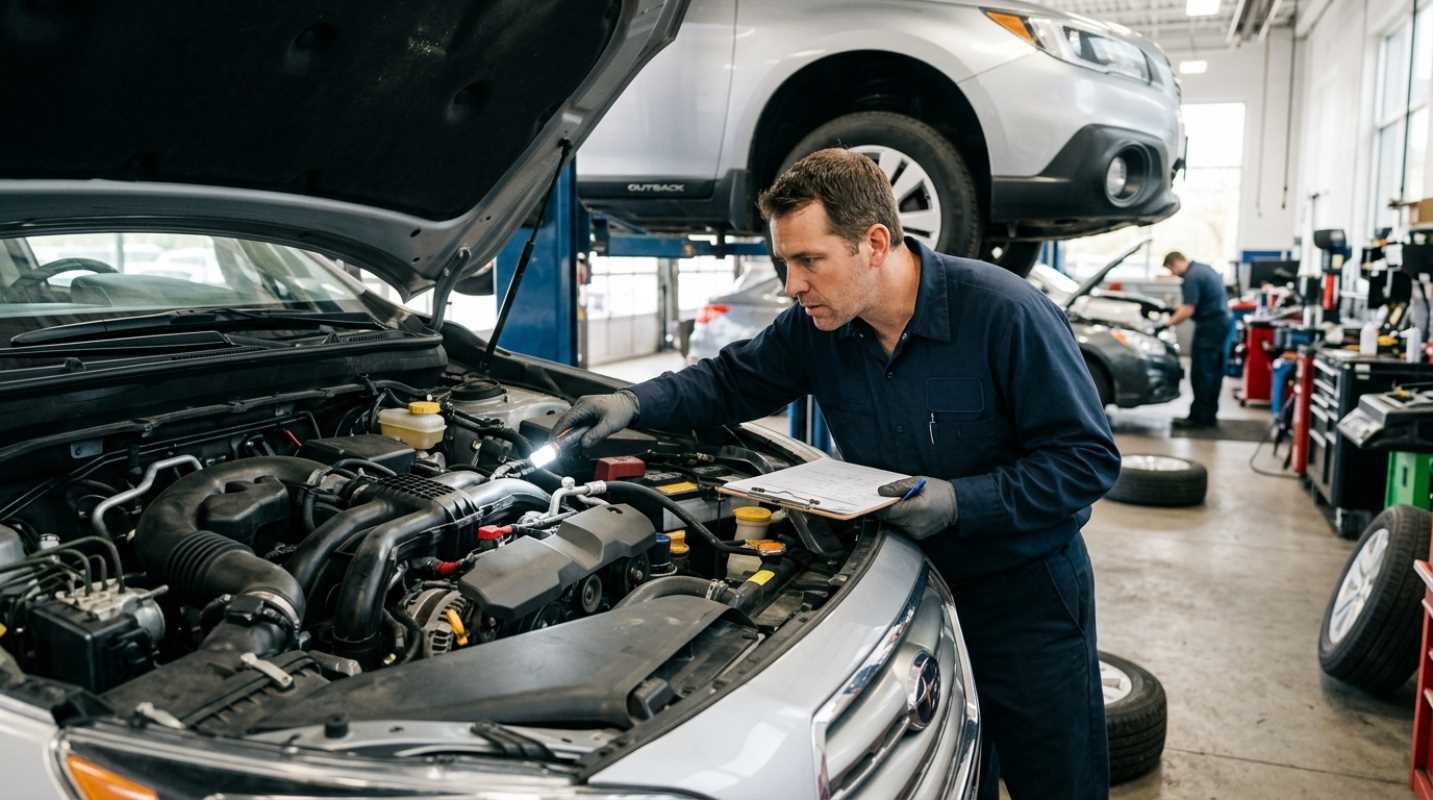
When you are shopping, do not get blinded by a low odometer reading. Prioritize the physical condition, look for a clean history report, and always get a pre-purchase inspection. A well-loved car will always serve you better than a neglected garage queen.
Sources:
1. Fitch Ratings Vehicle Depreciation Report
https://www.blackbook.com/wp-content/uploads/2025/07/Fitch2025.pdf
2. Black Book Annual Depreciation Analysis
https://www.autoremarketing.com/ar/analysis/black-books-refreshed-forecast-for-annual-depreciation-residual-values/
3. iSeeCars Value Retention Study
https://www.iseecars.com/cars-that-hold-their-value-study
4. Matt Stone Cars Age vs Cost Editorial
https://mattstonecars.com/guest-editorial-how-does-the-age-of-a-car-impact-its-overall-costs/
5. King's Toyota Used Car Depreciation Guide
https://www.kingstoyota.com/blog/2021/september/2/prevent-depreciation-used-cars.htm
*This article on Automobile/Vehicle is for informational and educational purposes only. Readers are encouraged to consult qualified professionals and verify details with official sources before making decisions. This content does not constitute professional advice.*