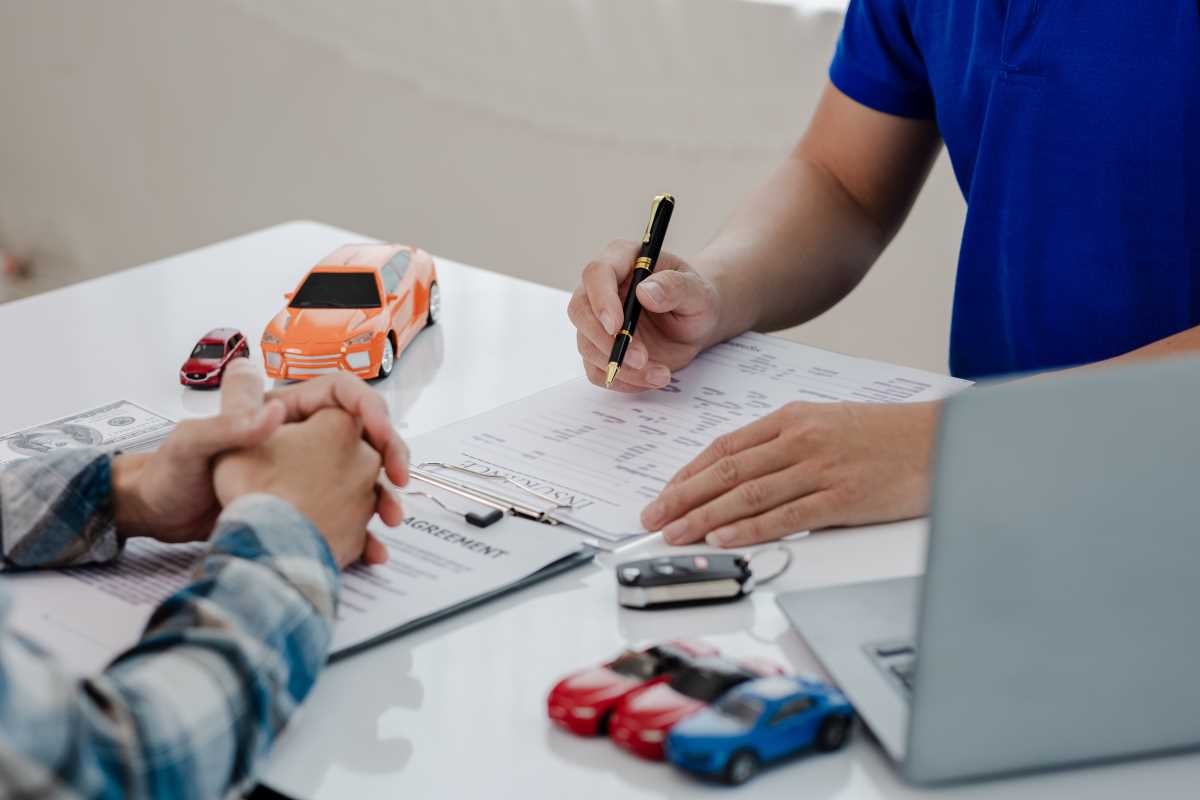
Have you ever stared at a used car, listened to the engine purr, and thought, "Yeah, this is the one"? We've all been there. The excitement of finding the right ride can easily cloud your judgment. But buying a used car today is a completely different game than it was just a few years ago.
The used car market has changed. Because of supply drops from the pandemic era, the average age of vehicles on U.S. roads has reached a record 12.2 years.¹ This means the cars available on the market are older, have higher mileage, and are far more likely to have hidden wear and tear.
Yet, only about 5% of used car buyers actually get a professional pre-purchase inspection (PPI).² That means 95% of buyers are flying blind, leaving themselves open to thousands of dollars in sudden repair bills.
To make matters worse, safety regulations are shifting. Like, Texas House Bill 3297 recently eliminated state-mandated annual safety inspections for non-commercial vehicles in many counties.⁴ With states deregulating safety checks, a voluntary, independent inspection is your only true line of defense.
So what does this actually mean? It means a pre-purchase vehicle check is an investment, not an expense. The global pre-purchase used car inspection market is expected to grow from $9.81 billion in 2025 to $12.65 billion by 2032.³ Why? Because 68% of used-car buyers are highly concerned about undisclosed issues.⁵ Spending a little money now protects your wallet later.
How to Find the Right Mechanic for the Job
How do you find someone to trust with this check? You don't want a generic, quick-lube shop. You want an expert who knows your specific type of vehicle.
If you're buying a European import, take it to a European specialist. If you're buying a hybrid, find a shop that knows high-voltage systems. Specialty shops know exactly where to look for common failure points on specific models.
Before you book your appointment, ask the shop a few key questions
• Equipment: Do they have advanced diagnostic scanners to read manufacturer-specific codes?
• Lift access: Will they put the car on a physical lift, or just jack it up in the parking lot?
• Reports: Will they provide a written, photo-documented report of their findings?
The most important factor is independence. Never use a mechanic recommended by the seller. You need a completely independent assessment to get an honest picture of the car. If the seller refuses or hesitates to let you take the car to an independent shop, walk away immediately. Legitimate sellers have nothing to hide.
Top Mechanic Inspection Tips and What They Should Be Checking
A modern vehicle is a rolling computer. A good PPI requires a mix of old-school mechanics and new-age digital diagnostics.
Here is what a professional mechanic should focus on during the inspection
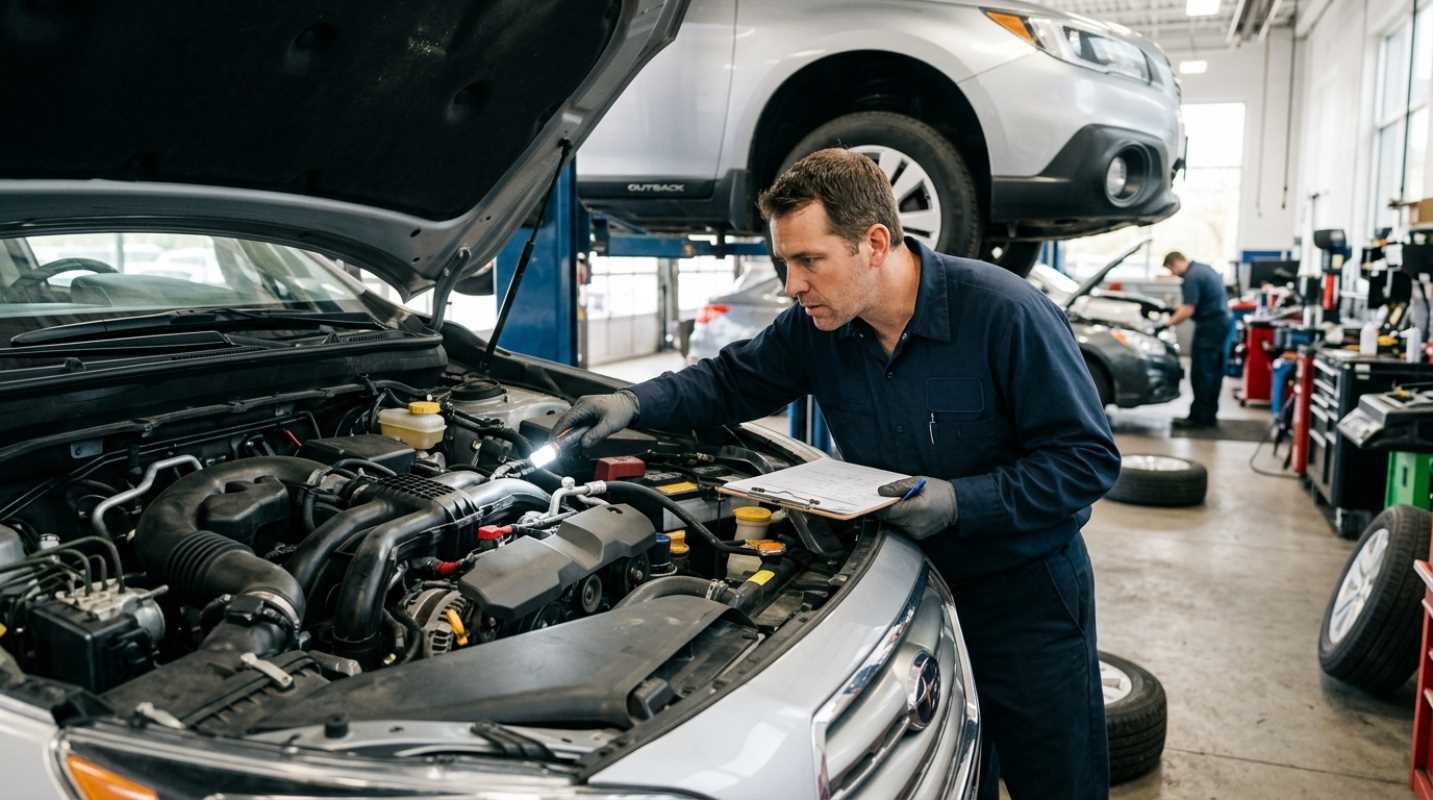
• Digital diagnostics: The mechanic must plug in an OBD-II scanner. This checks for active or pending error codes, and it reveals if the seller recently cleared codes to hide a check engine light.
• Under-the-hood checks: This includes looking for milky engine oil (which indicates a blown head gasket) or burnt transmission fluid. They must also check the belts and hoses for dry rot.
• Undercarriage analysis: The car must go on a lift. This is the only way to find frame rail damage, active oil leaks, or rusted floorboards.
• Advanced safety systems: Modern cars have Advanced Driver Assistance Systems (ADAS) like lane-keep assist and blind-spot monitoring. If these sensors are misaligned from a minor bump, recalibration can cost over $1,000.
• EV battery health: If you're buying an electric or hybrid vehicle, the mechanic must run a diagnostic on the battery State of Health (SOH). Replacing a degraded battery pack can cost up to $20,000.
The Interior and Exterior Walkthrough
You don't need to be a mechanic to spot some of the warning signs on the body and inside the cabin. Here is what you should look for during your own walkthrough.
Before you even spend money on a mechanic, run a digital audit using the vehicle identification number (VIN). Use services like CARFAX or AutoCheck to look for past accidents, salvage titles, and ownership history. Check the National Motor Vehicle Title Information System (NMVTIS) for title brand codes like odometer rollback. This quick digital step can save you the cost of a physical inspection if the car has a hidden salvage title.
Start your physical walkthrough with the outside. Check the gaps between the panels. Uneven gaps between the doors and the fenders usually mean the car was in an accident and repaired poorly. Look closely at the paint. If you see overspray on the rubber trim, that panel has been repainted.
Next, move to the tires and suspension
• Tread wear: Tires with less than 4/32 inches of tread will need to be replaced soon.
• Wear patterns: If the inside of the tire is worn down more than the outside, the car has a bad alignment or worn-out suspension parts.
• Brake system: Check the brake pads. Anything under 3 millimeters needs immediate replacement.
Inside the cabin, test everything. Turn on the A/C, the heater, the heated seats, and every single window switch. Look at the dashboard when you turn the key. Do all the warning lights illuminate and then turn off? If the airbag light doesn't light up at start-up, someone may have removed the bulb to hide a broken system.
Turning the Report Into Bargaining Power
Once the inspection is complete, you'll receive a report. A professional pre-purchase car inspection costs between $183 and $322 on average. This small fee is about to become your strongest weapon at the negotiating table.
How do you use this report without annoying the seller? You've got to be smart about your timing.
First, agree on a tentative price before the inspection, contingent on a clean bill of health. Tell the seller you're happy to pay their price if the mechanic finds no major issues. This prevents the seller from feeling like you're trying to negotiate twice.
When you get the report, split the issues into three groups
• The deal-breakers: These are things like frame damage, flood damage, or a dying EV battery. If you see these, just walk away.
• Negotiation points: These are major, immediate repairs like bald tires, worn brakes, or a leaking gasket.
• Minor issues: These are cosmetic scratches or a burnt-out cabin light. Ignore these to keep the negotiation friendly.
Now, do the math. If the car needs $800 in new tires and $450 for new brakes, that is $1,250 in immediate costs.
When you talk to the seller, be polite but firm. You can use a simple script
"I love the car, but my mechanic found that the tires and brakes need immediate replacement. To make the car safe, I have to spend $1,250 right away. If we can adjust the price to reflect those repairs, I am ready to buy it today."
By using the mechanic's report, you turn a stressful debate into a simple, fact-based business decision.
Sources:
1. Used Car Insight Brief 2025
https://www.davecantingroup.com/dcg-used-car-insight-brief-2025
2. How Many Buyers Actually Get Their Used Car Inspected?
https://www.reddit.com/r/askcarsales/comments/j1dpym/how_many_buyers_actually_get_their_used_car/
3. Global Pre-Purchase Used Car Inspection Market
https://www.24marketreports.com/automotive-and-transportation/global-prepurchase-used-car-inspection-market
4. How to Negotiate After Pre-Purchase Inspection
https://texasfirstautoinspections.com/how-to-negotiate-after-pre-purchase-inspection/
5. Pre-Purchase Used Car Inspection Library Intelligence
https://www.360iresearch.com/library/intelligence/pre-purchase-used-car-inspection
*This article on AutomobileVehicle is for informational and educational purposes only. Readers are encouraged to consult qualified professionals and verify details with official sources before making decisions. This content does not constitute professional advice.*