Used cars in 2026 are shaping up to reflect a mix of practical needs, tighter budgets, and changing vehicle technology. Buyers are paying closer attention to reliability, mileage, ownership history, and features that hold up over time. The market is also being influenced by stronger data access and better price transparency through industry tools like Kelley Blue Book and Edmunds, which makes comparison easier than it used to be.
Shifts In Supply And Demand
One of the biggest forces in the used car market remains supply. The Auto Care Association and Cox Automotive have both pointed out that supply changes after the pandemic years continue to affect pricing and availability. Off-lease vehicles, rental fleet sales, and trade-ins all play a role, but the market is no longer moving in the same way it did during the extreme shortage period of 2021 and 2022.
That matters because used car buyers in 2026 are likely to see more variation by vehicle type. Smaller sedans, fuel-efficient crossovers, and well-kept family vehicles tend to move quickly, while less practical models can sit longer. Local demand also matters a lot, since weather, commute patterns, and regional preferences still shape what dealerships and private sellers keep on hand.
Electric Vehicle Resale Patterns
Electric vehicles are becoming a bigger part of the used market, and that is changing buying habits. The International Energy Agency reported that global EV sales have continued rising in recent years, which means more EVs are eventually entering secondhand listings. A growing number of shoppers are interested, but many still want clear information about battery condition, charging access, and long-term maintenance.
Used EV pricing can be less predictable than traditional gasoline vehicles because battery health and software support matter so much. A vehicle with good range on paper may not feel as useful if charging is difficult in daily life. That is why third-party inspection reports and battery-related details are becoming more important in resale decisions, especially for shoppers trying to balance convenience with future resale value.
Mileage Is Still Important, But Not Alone
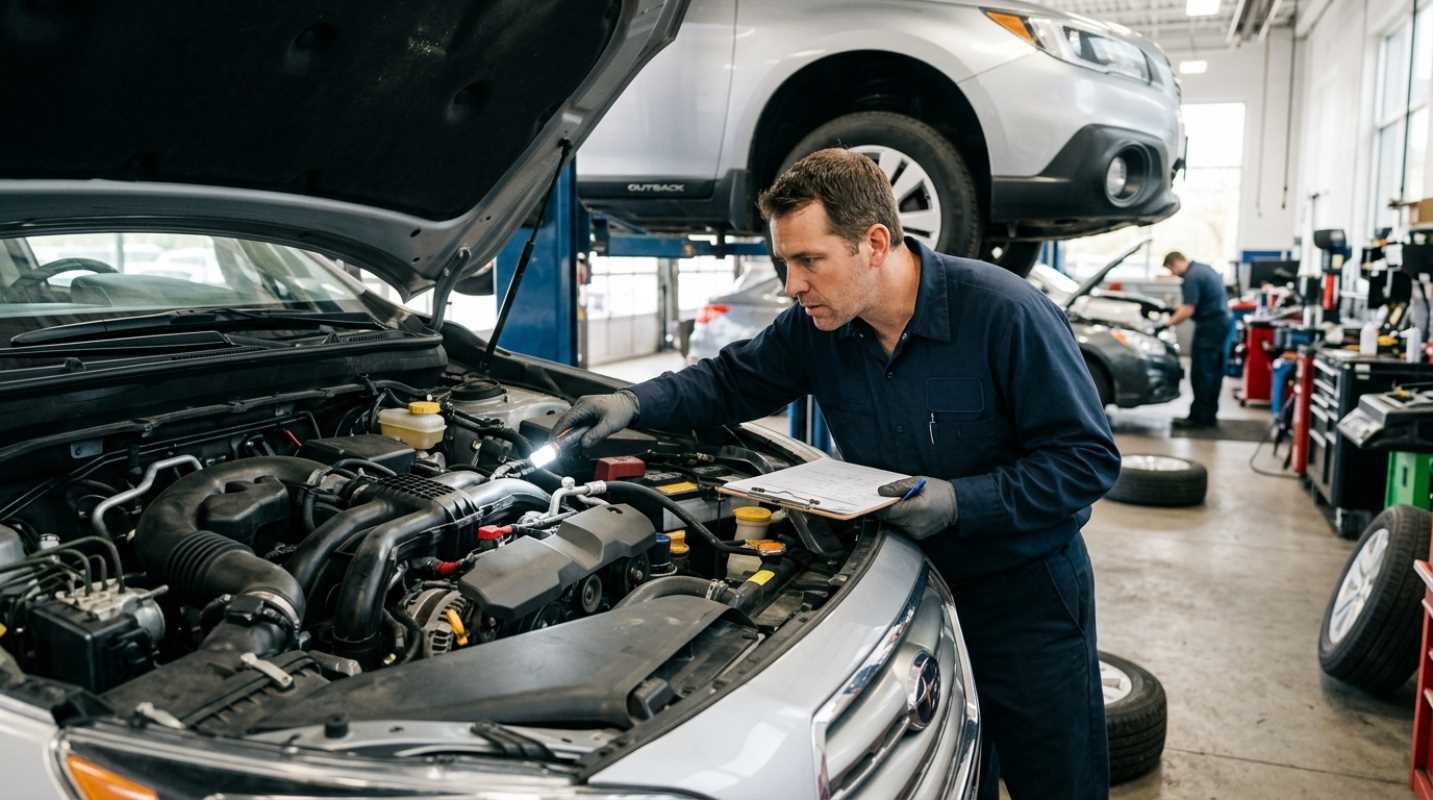
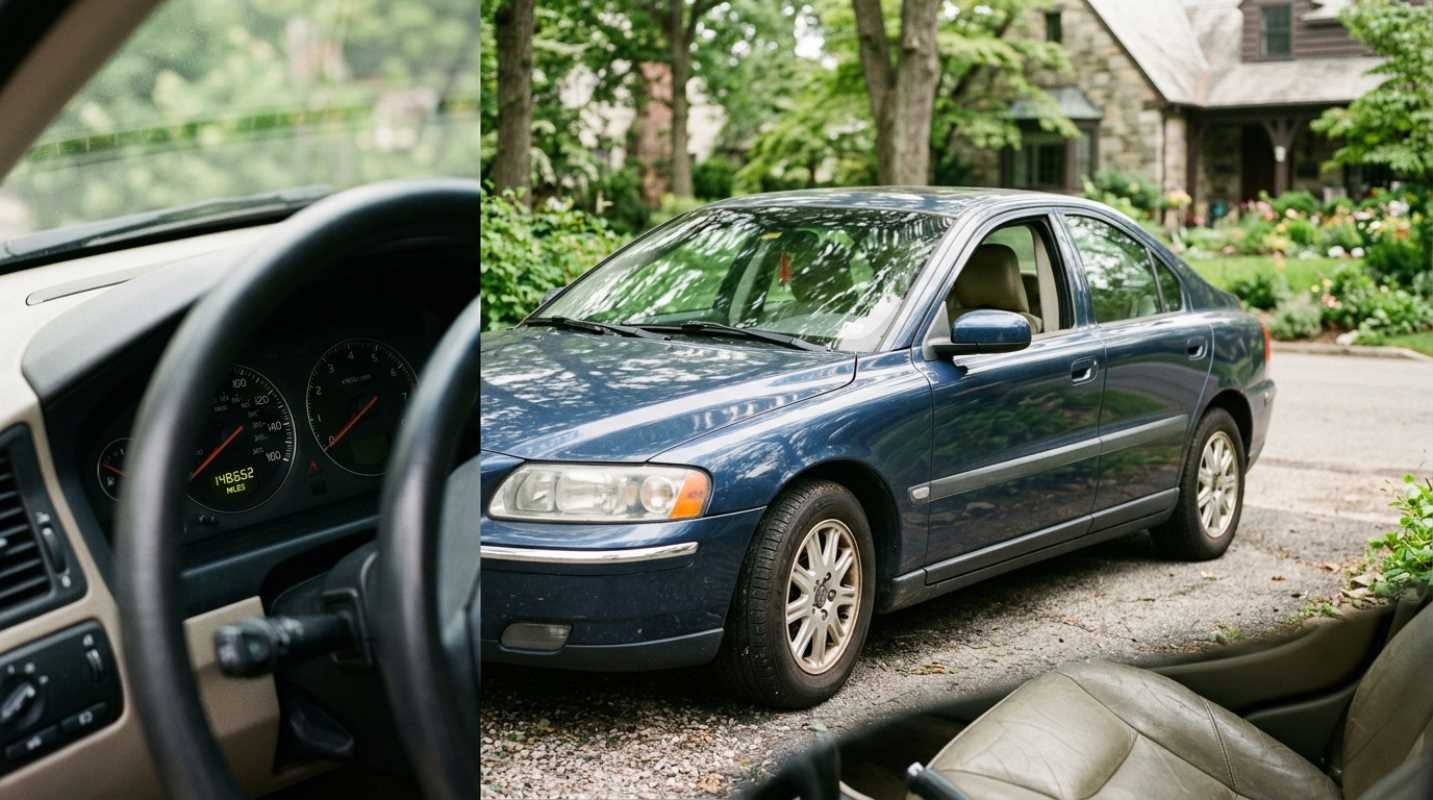
Mileage continues to matter, but the market has become more careful about what mileage actually means. A higher-mileage vehicle with clean service records and regular maintenance can sometimes be a safer choice than a lower-mileage one with patchy history. Industry standards from sources such as Carfax and vehicle inspection providers show that maintenance timing often tells a more useful story than the odometer alone.
This is especially true for vehicles built in the last decade, when durability improved across many mainstream brands. Buyers are looking at oil change records, brake service, tire replacement, and past accident reports as part of the overall picture. In practical terms, a car that has been consistently cared for often signals fewer surprises after purchase, even if the mileage number looks less attractive at first glance.
Technology Features Are Raising Expectations
In 2026, used car shoppers expect more than basic transportation. Standard safety tech such as automatic emergency braking, lane-keeping assistance, and rearview cameras has become common across many models, following federal safety recommendations and broader industry adoption. As a result, even older used vehicles are being judged against newer feature expectations.
Infotainment systems, smartphone pairing, and driver-assist tools can also affect resale value. A vehicle that feels outdated inside may be harder to move, even if it runs well mechanically. Buyers are increasingly balancing comfort and convenience with long-term upkeep, because repairing advanced systems can sometimes cost more than replacing simpler components in older cars.
Prices Are Becoming More Local And More Specific
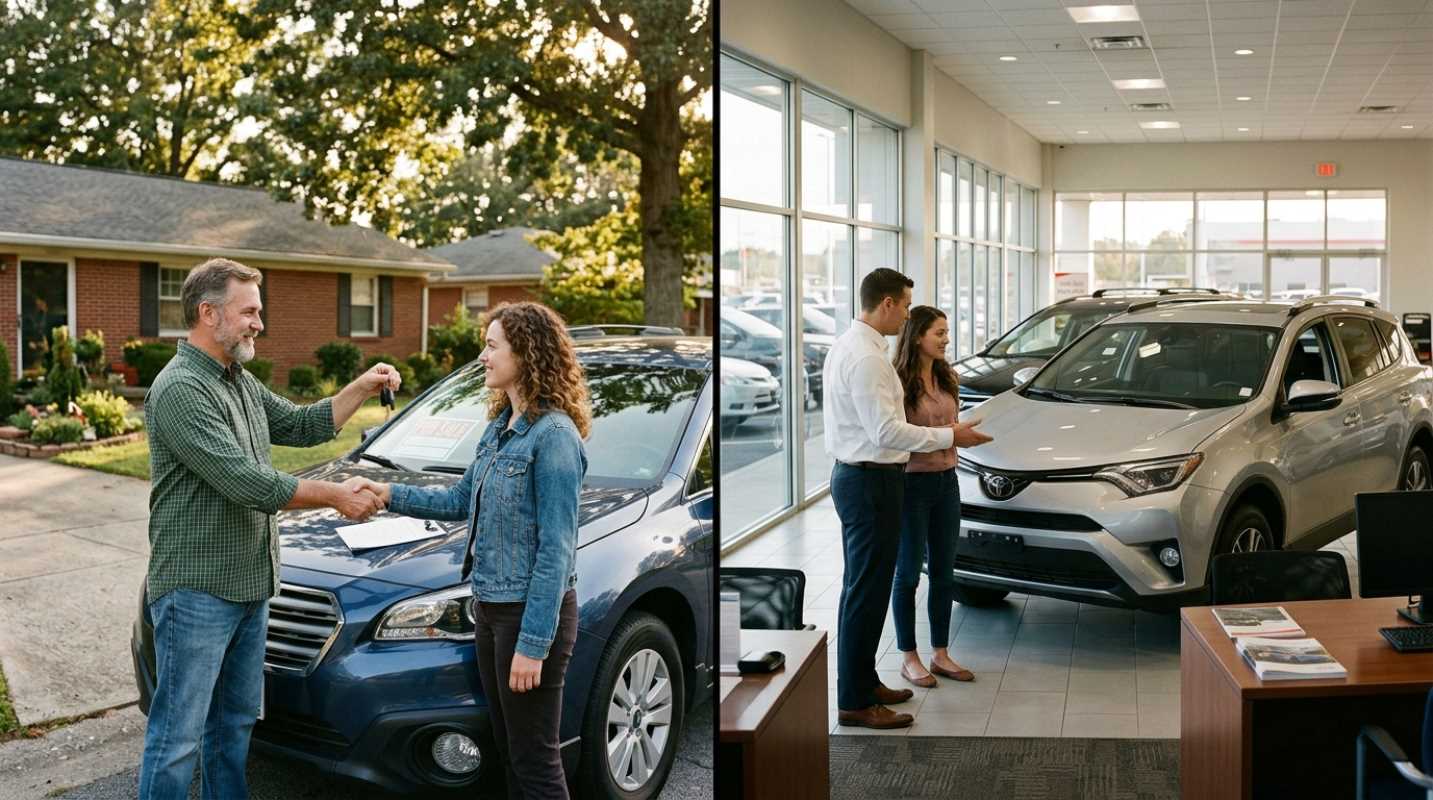
Used car pricing in 2026 is less likely to follow one broad national trend. Cox Automotive’s Manheim Used Vehicle Value Index has shown that wholesale values can shift month to month, and retail pricing often responds with a delay. That means two similar vehicles may have very different asking prices depending on region, trim level, accident history, and even color popularity.
This makes comparison shopping more important than ever. A car that appears expensive in one market may be priced normally in another, especially if it is a popular body style or a low-owner example. The practical takeaway is simple: broad averages are useful, but the real market value depends on condition, history, and local inventory.
Certified Pre-Owned Models Keep Their Appeal
Certified pre-owned vehicles remain attractive because they offer a middle ground between new and used. Manufacturer-backed inspections and extended coverage help reduce uncertainty, which is a major reason shoppers keep choosing them. According to industry reporting from Edmunds and major automakers, CPO vehicles often retain stronger resale appeal than non-certified counterparts in similar condition.
That appeal is not only about warranty coverage. Many buyers also like the cleaner presentation, documented inspection process, and lower chance of major cosmetic wear. Even so, certification is not a substitute for careful review. A CPO badge can be useful, but service history, tire condition, and prior damage reports still matter in the final decision.
Financing And Insurance Affect The Real Cost
The sticker price is only part of the story. Financing terms, insurance rates, and registration costs can change the overall burden of owning a used car. A model that seems affordable upfront may carry higher insurance costs because of theft rates, repair complexity, or parts availability. This is one reason shoppers often compare several vehicles before settling on one.
Lender behavior also influences the market. When interest rates stay elevated, many buyers look for shorter loan terms or lower-priced vehicles to keep monthly obligations manageable. That can push more attention toward dependable older models and compact vehicles, especially among households that value predictable transportation over newer styling or extra features.
Ownership Costs Matter More Than Image
In 2026, the smartest used car choices are often the ones that fit daily life without drama. Fuel economy, maintenance access, replacement part availability, and insurance all shape the real experience of ownership. Models with a long track record of reliability tend to stay popular because they are easier to live with after the purchase is done.
Consumer Reports has long emphasized dependability as one of the clearest predictors of satisfaction, and that advice still fits the current market. A vehicle that is simple to service and common enough for parts to be easy to find can save stress over time. The market is increasingly rewarding practicality, not just appearance or brand image.
The used car market in 2026 is becoming more informed, more segmented, and more practical. Supply is improving in some areas, but demand still favors vehicles with the right mix of condition, features, and predictable ownership costs. Electric vehicles are adding a new layer of complexity, while traditional gas-powered models continue to dominate everyday buying because many people still want familiar refueling, easier repair planning, and known durability. Prices are also more local than many shoppers expect, which makes research especially useful before making a choice. The bigger pattern is that value is no longer about age alone. Service history, technology, mileage, and resale outlook all matter together, and that is changing how buyers think about long-term transportation. A careful review of inspection reports, market guides, and ownership costs can make the process feel less uncertain. For a broader view of pricing and resale trends, industry resources like Kelley Blue Book, Edmunds, and Cox Automotive remain useful references.
References
Kelley Blue Book: https://www.kbb.com
Edmunds Used Car Guide: https://www.edmunds.com/used-cars/
Cox Automotive Insights: https://www.coxautoinc.com/market-insights/
International Energy Agency Global EV Outlook: https://www.iea.org/reports/global-ev-outlook-2024
Consumer Reports Car Reliability: https://www.consumerreports.org/cars/vehicle-reliability/