Stepping into the world of used cars can feel a little overwhelming, especially with all the stories and advice floating around. It’s easy to get caught up in old ideas that might have been true once but don’t reflect today’s market. Buying a pre-owned vehicle is a fantastic way to get a great car at a smart price, and we’re here to help you feel confident in that journey. This guide is all about clearing up the confusion. We are going to tackle some of the most common myths about buying used cars. Let’s separate fact from fiction, so you can make an empowered and informed choice with total peace of mind.
Debunking the Biggest Misconceptions
The used car market has changed dramatically over the years. Advances in technology and transparency mean that many old warnings simply don’t apply anymore. Let's look at some of the most persistent myths and get to the truth.
Myth 1: You’re Just Buying Someone Else’s Problems
This is perhaps the oldest and most stubborn myth of them all. The idea is that every used car for sale is a lemon that the previous owner is desperately trying to get rid of. While it's true that you should always be a careful shopper, this belief is largely outdated.
The Reality: Transparency Is on Your Side
Today, you have access to powerful tools that give you a clear picture of a car's past. Vehicle History Reports from services like CarFax and AutoCheck are your best friend. For a small fee, you can get a detailed report using the car's Vehicle Identification Number (VIN). This document can show you:
- Accident History: It will tell you if the car has been in a reported accident and often the severity of the damage.
- Title Status: You can see if the car has a "salvage" or "rebuilt" title, which is a major red flag.
- Service Records: Many reports include a log of maintenance and repairs performed at participating shops.
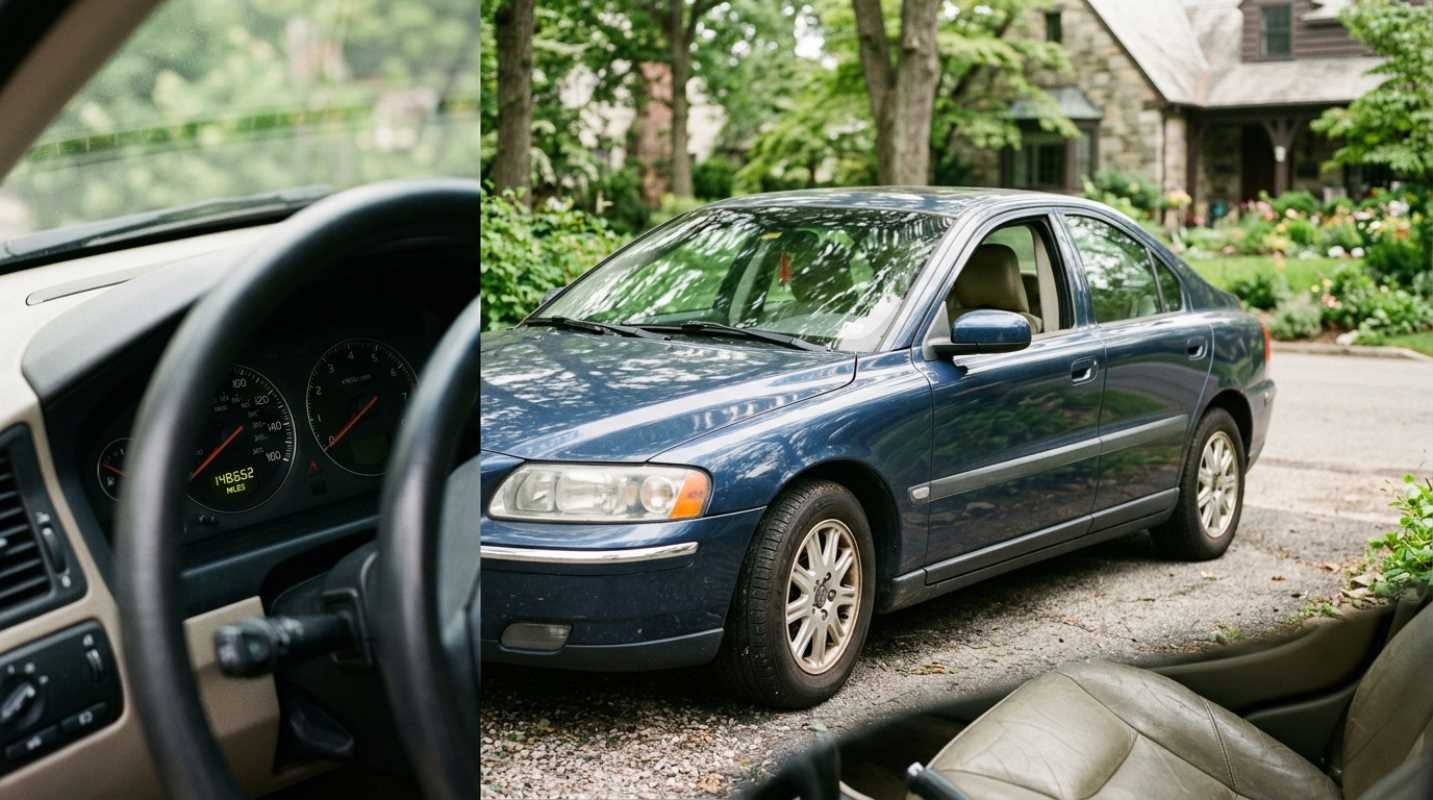
- Odometer Readings: This helps you verify that the mileage shown on the dashboard is accurate.
Armed with this information, you are no longer buying blind. You can easily screen out cars with a troubled past and focus on ones that have been well-cared for.
Myth 2: All Used Cars Have High Mileage and Are Worn Out
Another common fear is that any affordable used car will have six-figure mileage and be on its last legs. People often worry that a car with over 100,000 miles is automatically a bad investment.
The Reality: Modern Cars Are Built to Last
Vehicle engineering and manufacturing have improved immensely. It's now common for cars to run reliably for 200,000 miles or even more with proper care. A high-mileage car that has a complete service history can often be a better buy than a low-mileage car that has been neglected.
The key is to look at how the miles were accumulated. A car with 80,000 highway miles is often in better mechanical shape than one with 40,000 city miles. Highway driving involves less wear and tear on the engine, transmission, and brakes compared to stop-and-go city traffic. Don't let a number on the odometer scare you away; focus on the car's overall condition and maintenance history instead.
Myth 3: You Can’t Get a Warranty on a Used Car
Many people assume that once you buy a used car, you're completely on your own if something goes wrong. The idea of driving off the lot with no protection against unexpected repairs is a major source of anxiety for buyers.
The Reality: You Have Plenty of Options for Coverage
Most dealerships sell used cars "as-is," but that doesn't mean you have no options. Many pre-owned vehicles, especially newer ones, may still be covered by the original factory warranty. This is especially true for the powertrain warranty (engine and transmission), which often lasts for five years or 60,000 miles, and sometimes longer.
You can also explore Certified Pre-Owned (CPO) programs. These are vehicles that have been inspected, refurbished, and certified by the manufacturer. They come with an extended factory-backed warranty, giving you a level of protection similar to buying a new car. For other used cars, you can almost always purchase an extended warranty (also called a vehicle service contract) for additional coverage and peace of mind.
Myth 4: You’ll Get a Better Deal Paying with Cash
It sounds logical, right? Bringing a lump sum of cash should give you more negotiating power. Many buyers believe that dealers prefer cash deals and will offer a significant discount to get it.
The Reality: Financing Can Be a Bargaining Chip
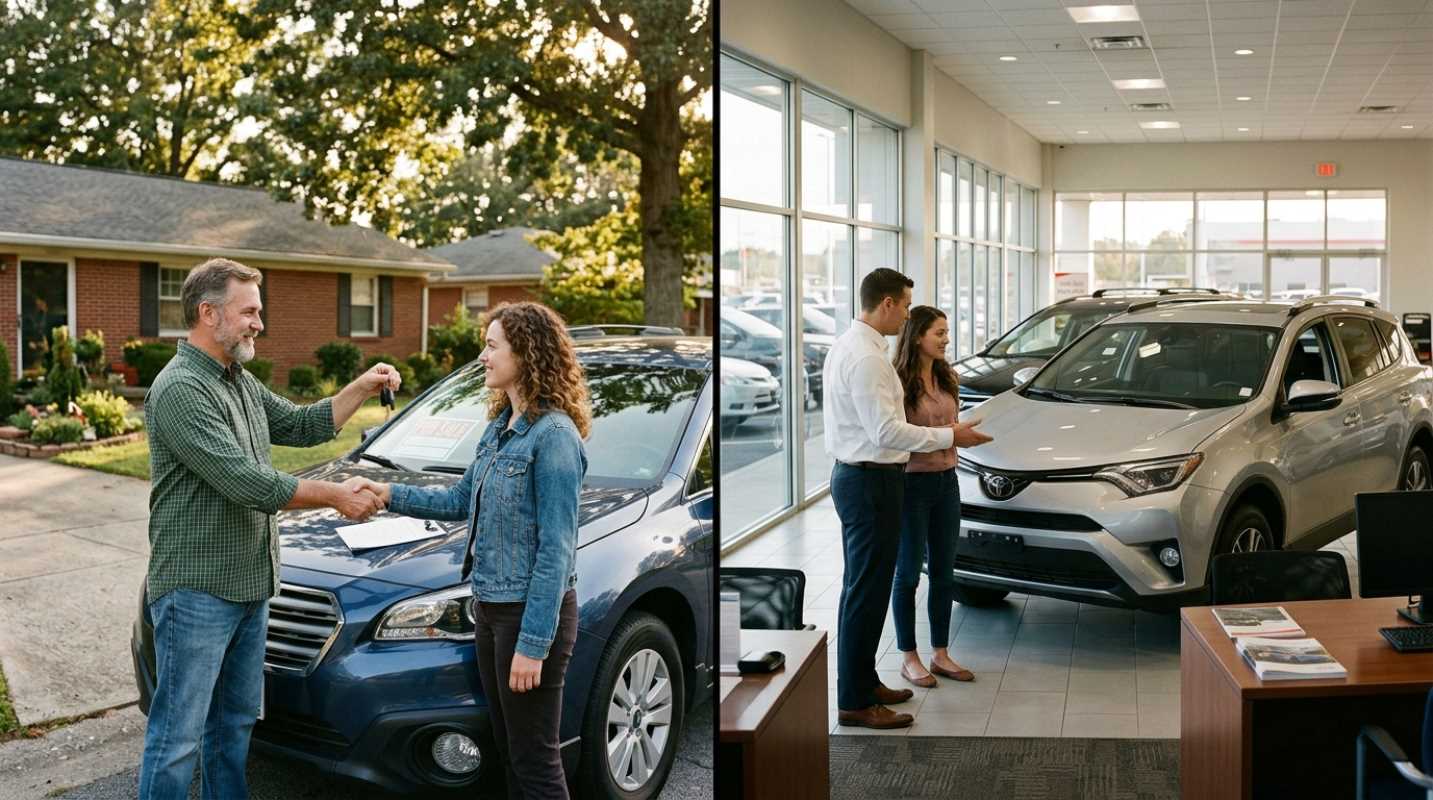
Dealers often have relationships with banks and credit unions and can make a small commission by helping you secure a loan. Because of this, they are sometimes more willing to negotiate on the vehicle's price if you finance with them. This doesn't mean you should accept a bad loan just to get a discount, but it does mean that being a cash buyer isn't the magic key to a lower price.
Your best approach is to get pre-approved for a loan from your own bank or credit union before you start shopping. This gives you a baseline interest rate. You can then negotiate the car's price first, and once that's settled, discuss financing. You can see if the dealership can beat your pre-approved rate. This strategy puts you in control of the entire transaction.
Myth 5: The Sticker Price Is Non-Negotiable
Some buyers, especially at larger, well-known dealerships, feel intimidated by the listed price. They may see a "no-haggle" sign or simply assume the price on the window is the final price.
The Reality: There Is Almost Always Room to Negotiate
Unless a dealership explicitly operates on a fixed-price, no-haggle model, the sticker price is just a starting point. Your power to negotiate comes from being prepared. Use online resources like Kelley Blue Book (KBB) and Edmunds to find out the market value for the car you're interested in. Look at what similar cars are selling for in your area on sites like Cars.com or Autotrader.
When you walk into a dealership with this data, you are no longer just asking for a discount; you are presenting a case for a fair price based on real market information. Be polite but firm, and be willing to walk away if the dealer won't come down to a reasonable price. This is one of your most powerful negotiation tools.
Empowering Yourself as a Buyer
Now that we’ve busted these myths, you can approach the buying process with a fresh perspective. Your journey to finding a great used car is all about knowledge and preparation.
- Trust the Data: Lean on vehicle history reports and online valuation tools to guide your decisions.
- Prioritize Condition Over Mileage: A well-maintained car is always the better choice, regardless of what the odometer says.
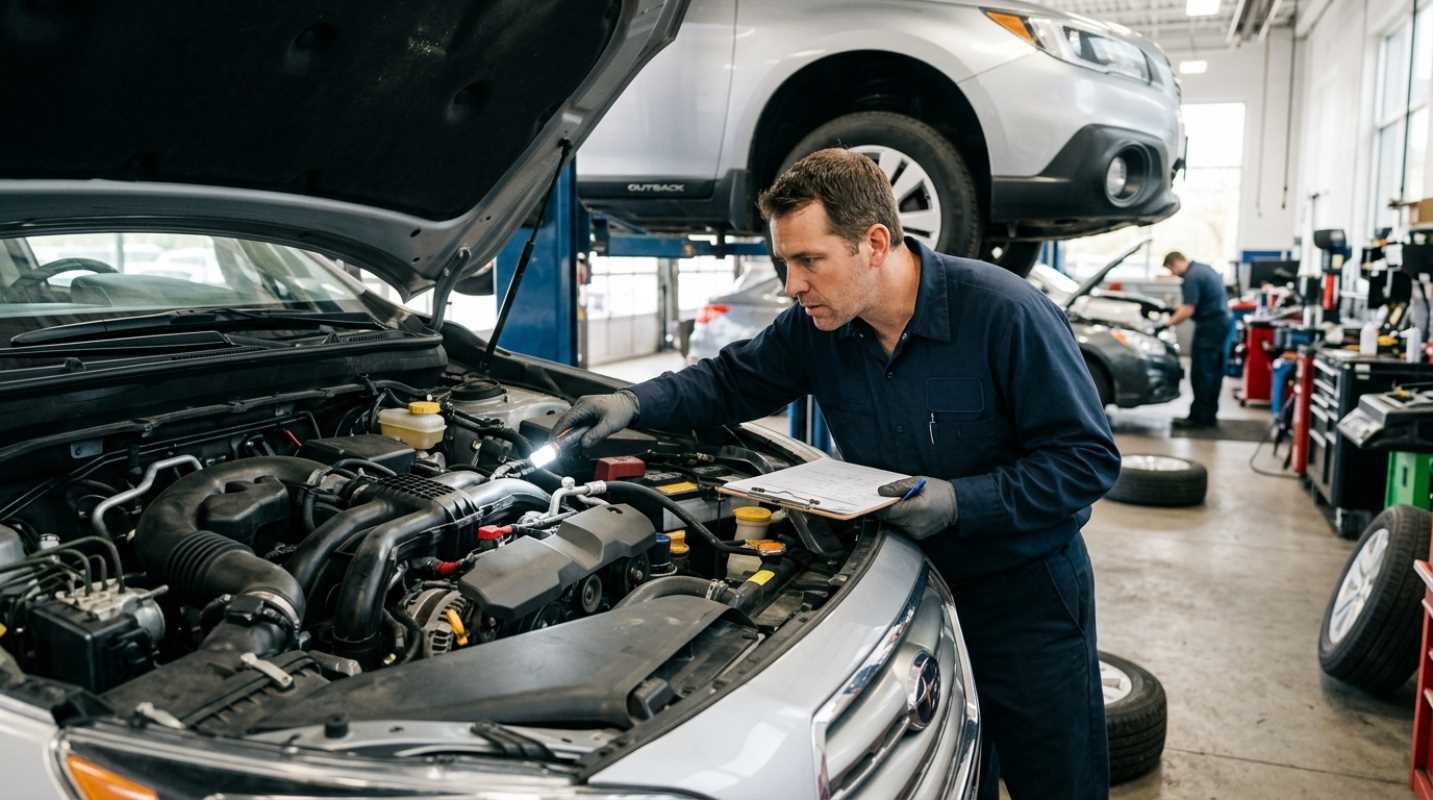
- Get a Pre-Purchase Inspection (PPI): This is non-negotiable. Having a trusted mechanic inspect the car is the best way to uncover any potential issues and buy with confidence.
By letting go of these old myths, you open yourself up to a world of fantastic, reliable, and affordable vehicles. Your perfect used car is out there, and with the right information, you have everything you need to go find it.
Meta Title: 5 Common Myths About Buying Used Cars, Debunked
Meta Description: Worried about buying a used car? We debunk 5 common myths about reliability, pricing, and warranties to help you shop with confidence.