Summer temperatures can push your vehicle's engine to its absolute breaking point. High heat puts immense stress on mechanical components and requires your cooling system to work overtime. You rely on your car to get you safely to your destination, so maintaining its temperature is vital for reliability. Neglecting this crucial aspect of maintenance often leads to breakdowns that leave drivers stranded on the side of the road. We designed this guide to help you understand the specific steps needed to protect your engine during the hottest months. Regular inspections and simple adjustments can prevent costly repairs down the line. You will learn exactly how to monitor your cooling system and react calmly if temperatures start to rise.
The Science Behind Your Cooling System
Understanding how your car regulates temperature empowers you to take better care of it. An internal combustion engine generates an incredible amount of heat as it burns fuel to create power. Your vehicle's cooling system manages this heat, ensuring the engine operates within a safe temperature range, typically between 195 and 220 degrees Fahrenheit.
This system works by circulating liquid coolant through the engine block, where it absorbs heat. The hot fluid then travels to the radiator at the front of the car. Air flowing through the radiator's fins cools the fluid before it returns to the engine to repeat the cycle. Any interruption in this loop can cause temperatures to spike rapidly, potentially warping metal components or causing total engine failure.
Essential Fluids: The Lifeblood of Engine Temperature
The most critical component in this thermal management system is the coolant, often referred to as antifreeze. This fluid does more than just stop the liquid from freezing in winter; it also raises the boiling point of the water in your system, allowing it to carry more heat away from the engine without turning into steam.
Choosing the Correct Coolant
Vehicles require specific formulations of coolant to protect their internal metals and seals. Using the wrong type can lead to corrosion or a gel-like sludge that blocks flow. You should always consult your owner's manual to determine if your car needs Inorganic Additive Technology (IAT), Organic Acid Technology (OAT), or Hybrid Organic Acid Technology (HOAT) coolant. Most modern cars use specific colors to denote the type, but color alone is not always a reliable indicator. Always buy a brand that lists your vehicle manufacturer’s specifications on the label.
The Importance of the 50/50 Mix
Pure water is an excellent conductor of heat, but it boils at a relatively low temperature and promotes rust. Pure antifreeze is too thick to flow efficiently and doesn't transfer heat as well as water. The ideal solution is a 50/50 mixture of distilled water and coolant. This ratio offers the best balance of freeze protection, boil-over protection, and corrosion resistance. Pre-mixed coolant is available at auto parts stores and eliminates the guesswork, ensuring you have the exact proportions needed for optimal cooling.
Routine Inspections: Spotting Trouble Before It Starts
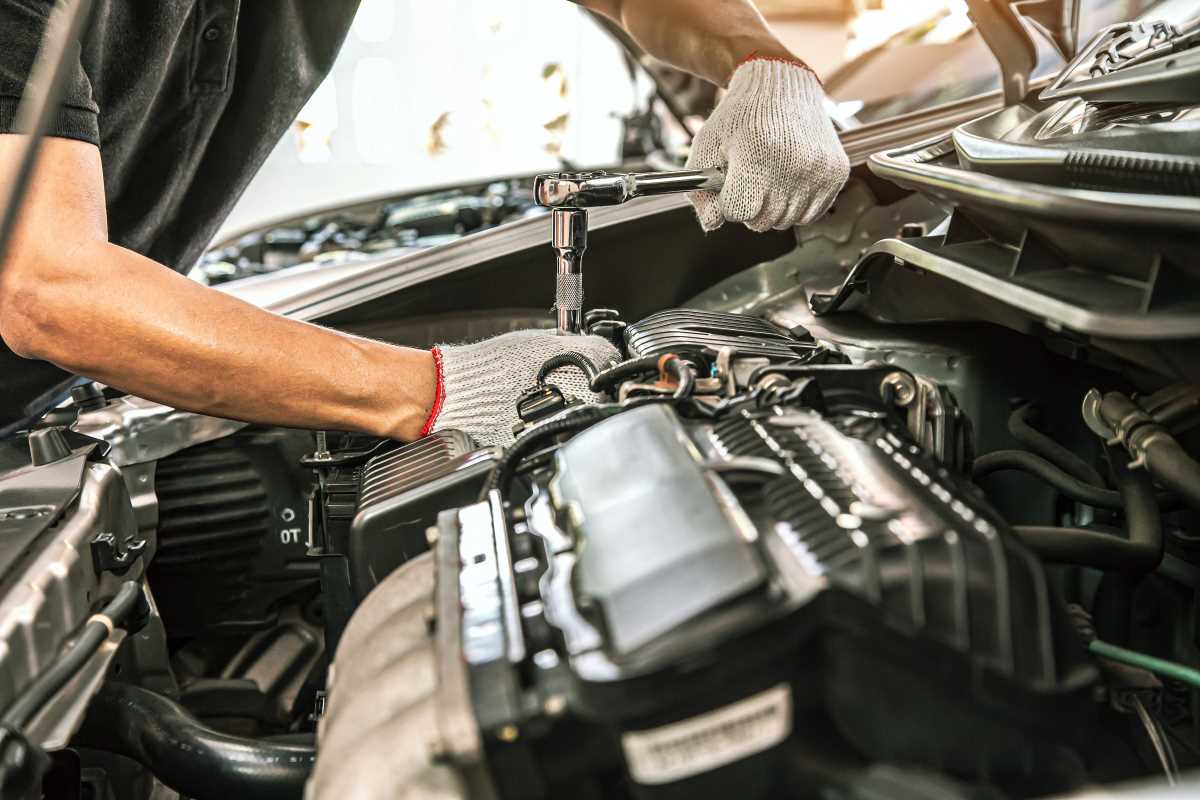
You don't need to be a certified mechanic to perform basic visual inspections. Taking ten minutes once a month to look under the hood can save you thousands of dollars in repairs. These checks are best performed when the engine is completely cool, preferably in the morning before you drive.
Examining Radiator Hoses and Belts
Rubber components deteriorate over time due to the extreme heat cycles under the hood. Radiator hoses carry the hot coolant between the engine and the radiator. Squeeze the large upper and lower radiator hoses firmly. They should feel firm yet pliable. If a hose feels rock-hard, spongy, or makes a crunching sound, it is past its prime and needs replacement. Look closely for any cracks, bulges, or leaks around the clamps where the hose connects to the engine.
Similarly, inspect the serpentine belt or drive belts that power the water pump. This pump is responsible for circulating the coolant. If the belt is frayed, cracked, or loose, the pump won't spin effectively, leading to poor circulation and overheating. A quick visual check can verify that the belt is in good condition and seated correctly on the pulleys.
Checking the Radiator Cap and Grille
The radiator cap plays a surprisingly complex role. It maintains pressure within the cooling system, which raises the boiling point of the coolant even further. A faulty cap that cannot hold pressure allows the coolant to boil at a lower temperature. Check the rubber seal on the underside of the cap for cracks or tears. If it looks worn, replacing it is an inexpensive insurance policy.
External airflow is just as important as internal fluid flow. Leaves, bugs, and road debris can accumulate on the front of your radiator or A/C condenser, blocking the air that needs to pass through the fins. Take a moment to gently clean the grille area. You can use a garden hose with low pressure to rinse debris out of the radiator fins, ensuring maximum airflow efficiency.
Managing Airflow and Mechanical Components
While fluids and hoses are common culprits, mechanical failures can also lead to summer overheating. Your car relies on moving parts to facilitate the heat exchange process, and these parts must be functioning correctly to handle high ambient temperatures.
Verifying Cooling Fan Operation
Your car has a cooling fan positioned behind the radiator. This fan is essential when you are idling in traffic or moving slowly, as there isn't enough natural wind hitting the radiator to cool the fluid. Most modern cars use electric fans that turn on automatically when the engine reaches a certain temperature or when the air conditioning is active.
You can test this simply. Start your car and turn on the air conditioning. The cooling fan should engage within a few moments. If the fan does not spin, you may have a blown fuse, a bad relay, or a failing fan motor. Driving in stop-and-go traffic without a working fan is a recipe for rapid overheating.
The Critical Role of the Thermostat
The thermostat is a small valve that regulates the flow of coolant. When the engine is cold, the thermostat stays closed to help the engine warm up quickly. Once the engine reaches operating temperature, the thermostat opens to allow coolant to flow to the radiator.
If a thermostat gets stuck in the closed position, coolant remains trapped in the engine block with nowhere to go, causing temperatures to skyrocket within minutes of driving. While you cannot easily see the thermostat without removing parts, you can monitor your temperature gauge. If the needle rises steadily and enters the red zone shortly after starting your drive, a stuck thermostat is a likely suspect.
Smart Driving Habits for High Temperatures
Your driving style directly impacts how much heat your engine generates. During extreme heatwaves, adjusting how you drive can help keep your engine within safe operating limits.
Adjusting Your Driving Style
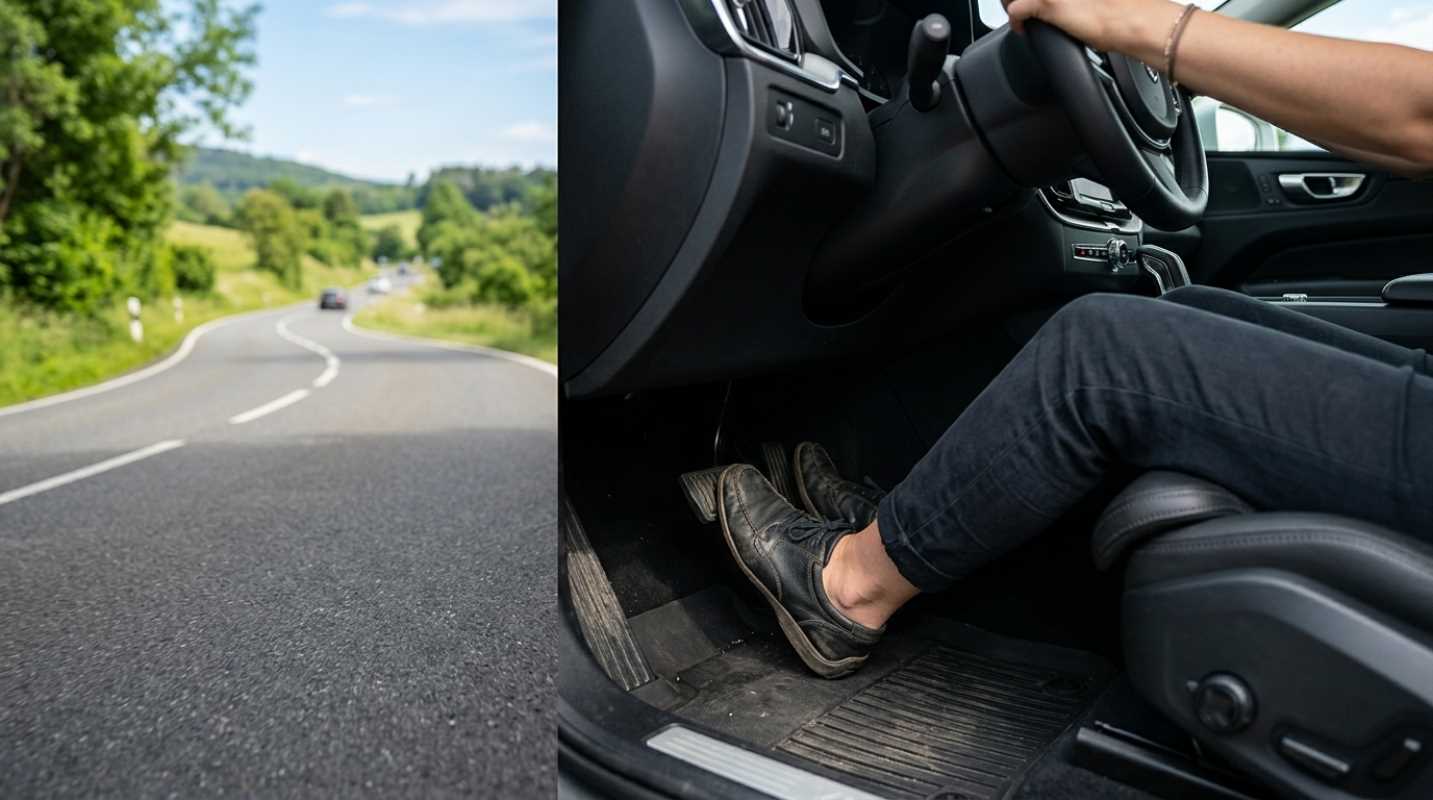
Heavy acceleration and high speeds generate significant heat. When the outside temperature is soaring, try to drive more conservatively. Avoid towing heavy loads during the hottest part of the day if possible. If you are climbing a steep hill, your engine has to work much harder. It is helpful to reduce your speed and shift into a lower gear. This keeps the engine RPMs higher, which spins the water pump and fan faster, improving coolant circulation while reducing the physical load on the engine.
Using the Heater to Cool the Engine
This advice seems counterintuitive, but it is a proven emergency technique. Your car’s heater core is essentially a small radiator located inside the dashboard. When you turn on the heat, you are pulling heat away from the engine and blowing it into the cabin.
If you notice your temperature gauge climbing above the normal range, turn off your air conditioner immediately. The A/C system puts a heavy load on the engine and generates extra heat under the hood. Next, roll down your windows and blast the heater on the highest setting. It will be uncomfortable for you, but it acts as a secondary cooling system for the engine and can drop the coolant temperature enough to prevent damage while you find a safe place to stop.
Emergency Protocols: Handling an Overheating Engine
Despite your best efforts, an overheating situation can still occur. Knowing how to react safely is paramount for your safety and the health of your vehicle.
If you see steam billowing from under the hood or the temperature gauge hits the red "H," pull over to a safe location immediately. Turn off the engine to stop the generation of heat. Do not attempt to open the hood right away. Steam and boiling fluids are under extreme pressure and can cause severe burns. Wait at least 15 to 20 minutes for the engine to cool down naturally before inspecting anything.
Once the engine is cool to the touch, you can check the coolant overflow reservoir. If it is empty, adding water or coolant might help you limp to a service station. However, never remove the radiator cap while the system is hot. Patience in this scenario is the key to personal safety.
Taking a proactive approach to your vehicle's cooling system ensures that you can enjoy your summer travels without the stress of an unexpected breakdown. By performing these checks and understanding how your car handles heat, you are protecting your investment and ensuring a safe journey for everyone on board.