 (Image via
Your car insurance shouldn't be a one-size-fits-all product. It’s a personal contract designed to protect you, and it works best when it accurately reflects your unique life. The way you use your car and the place you call home are two of the most significant factors that influence your insurance needs and costs. We are here to help you understand these connections. This guide is your friendly co-pilot, ready to show you how to match your policy to your real-world driving habits. You’ll learn about usage-based programs, low-mileage discounts, and how your location impacts your rates. Let’s work together to build a policy that offers the right protection at the best possible price.
Your Driving Habits Are a Data Story
To an insurance company, how you drive tells a story about your level of risk. A person who works from home and only drives on weekends presents a very different risk profile than someone with a long daily commute in heavy traffic. The great news is that you can use this data to your advantage. By accurately reporting your driving habits and exploring modern insurance options, you can secure coverage that truly fits your lifestyle. We’ve got you covered with a breakdown of the key factors.
The Low-Mileage Advantage
One of the simplest ways to save money is by driving less. Insurers have long known that the more miles you drive, the higher your chances are of being in an accident. Many companies offer significant discounts for drivers who stay below a certain annual mileage threshold, which could be 12,000, 10,000, or even as low as 7,500 miles per year.
Has your life changed recently? Maybe you’ve switched to a remote or hybrid work schedule, moved closer to your job, or started using public transportation more often. If you’re putting fewer miles on your odometer than you were when you first got your policy, you need to let your insurer know. It’s a simple phone call that can directly translate into lower premiums.
Usage-Based Insurance (Telematics)
For drivers who are confident in their safe driving habits, usage-based insurance (UBI) offers a powerful way to take control of your rates. These programs, often called telematics, use a small device you plug into your car's OBD-II port or a smartphone app to track your actual driving behavior.
The program monitors several key metrics:
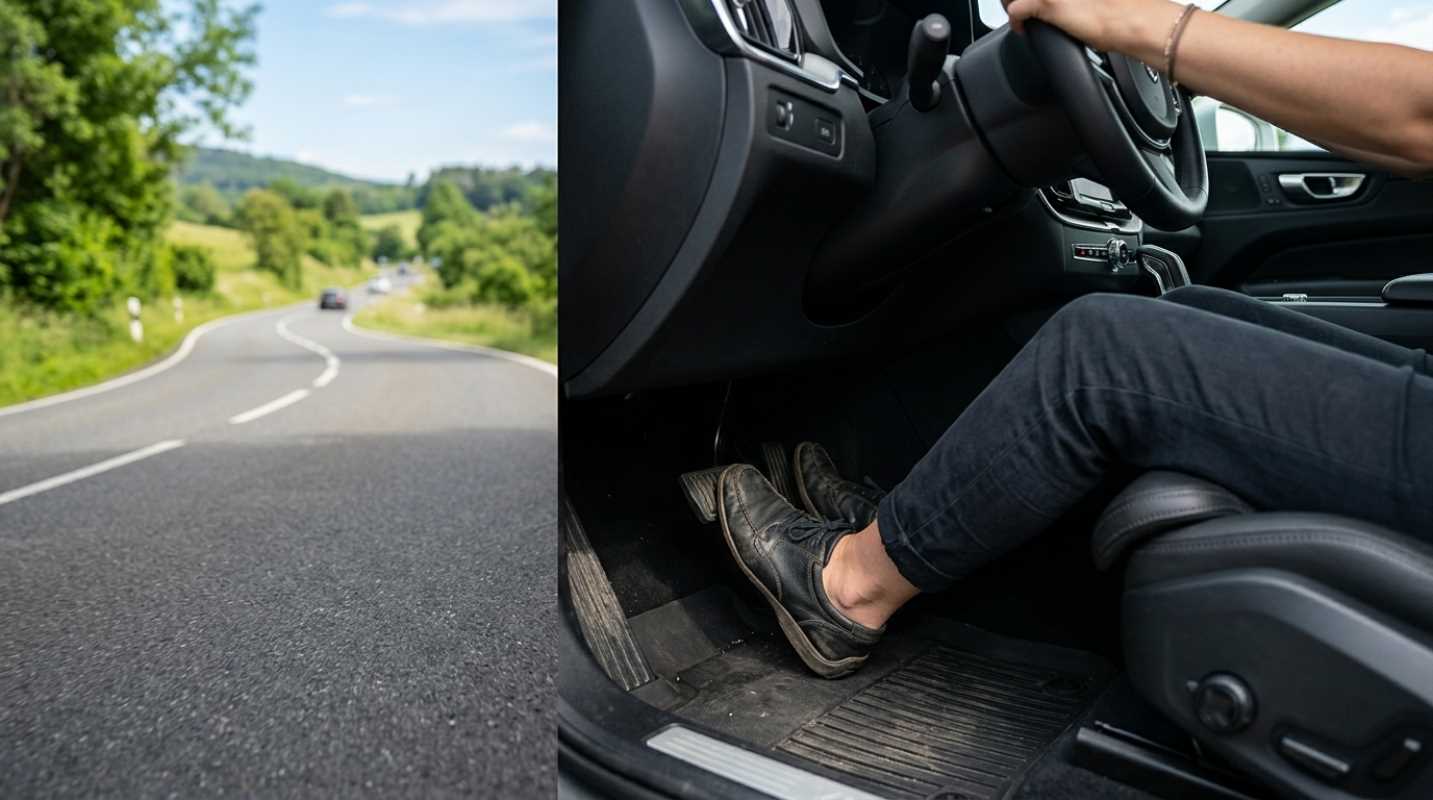
- Hard Braking: Frequent, sudden stops can indicate tailgating or aggressive driving.
- Rapid Acceleration: Gunning it from a stoplight is seen as a risky behavior.
- Time of Day: Driving late at night, especially on weekends, is statistically riskier.
- Total Mileage: As with standard policies, driving less results in bigger savings.
At the end of a monitoring period, the insurance company analyzes this data and offers you a discount based on how safely you drive. For cautious, low-mileage drivers, the savings can be substantial—sometimes up to 30% off your premium. It’s a fantastic way to be rewarded for the good habits you already have.
Pay-Per-Mile Insurance
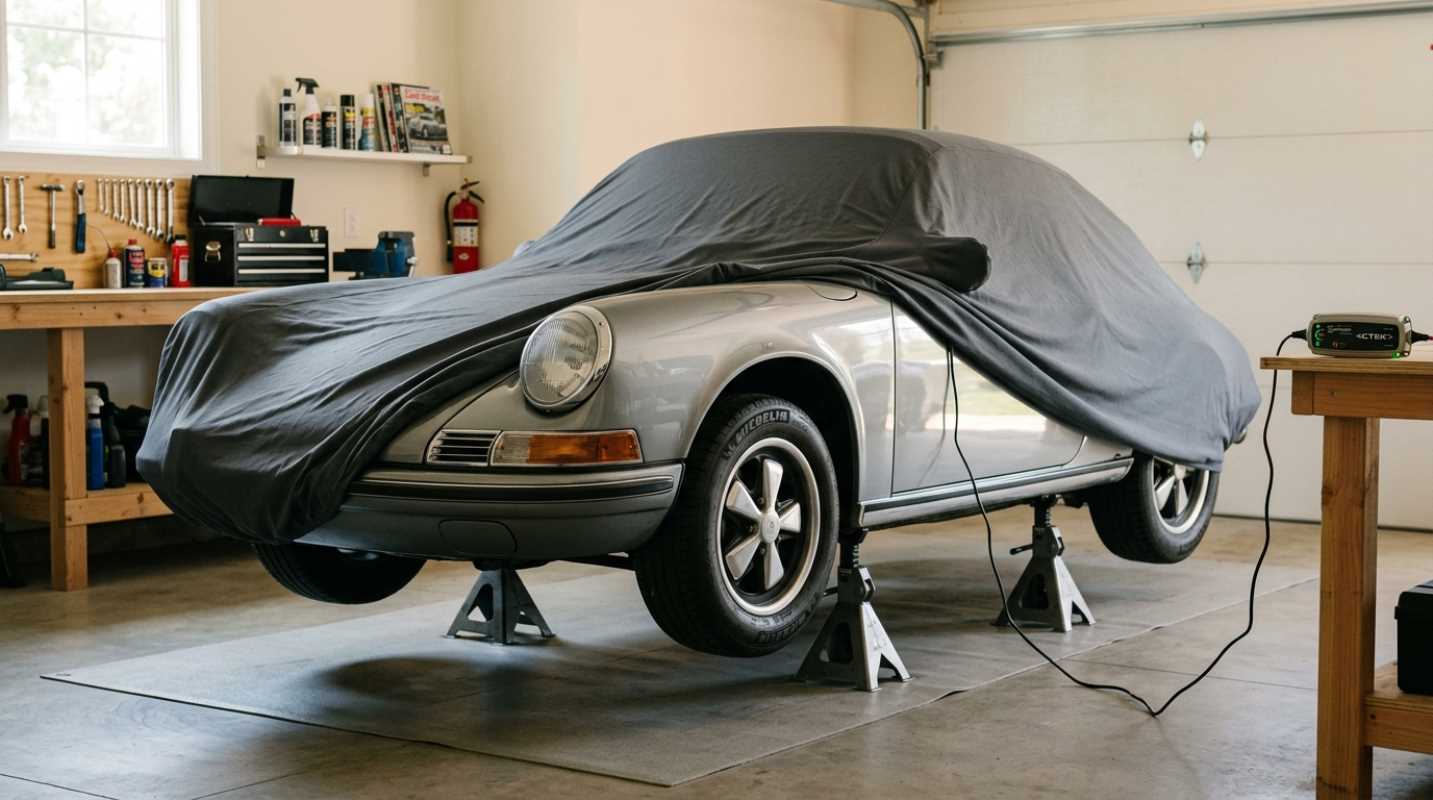
A close cousin to UBI is pay-per-mile insurance. This model is ideal for people who drive very infrequently, such as retirees, city dwellers who primarily use public transit, or those with a second car that rarely leaves the garage.
With this type of policy, you pay a low flat monthly base rate plus a few cents for each mile you drive. For example, your rate might be $40 per month plus 6 cents per mile. If you only drive 300 miles in a month, your bill would be the $40 base rate plus $18 for mileage, totaling $58. This can offer huge savings compared to a traditional policy if your car spends most of its time parked. It’s the ultimate way to pay only for what you use.
How Your Location Shapes Your Policy
Where you park your car at night is just as important as how you drive it. Insurance rates are heavily influenced by geographic location, right down to your specific zip code. Insurers use location-based data to predict the likelihood of a claim in your area. Understanding these factors can help you see why your rates might be different from a friend's who lives just a few towns over.
Urban vs. Rural Environments
As a general rule, drivers in dense urban areas pay more for insurance than those in rural settings. This comes down to a few key reasons:
- Traffic Density: More cars on the road means a higher probability of accidents, from fender benders to more serious collisions.
- Theft and Vandalism: Cities typically have higher rates of auto theft and vandalism. Your comprehensive coverage rates will reflect the risk in your specific neighborhood.
- Parking Risks: Street parking in a crowded city exposes your vehicle to a greater risk of sideswipes, dings, and other damage compared to parking in a private driveway or garage in the suburbs.
If you are planning a move, it can be worthwhile to get an insurance quote for your potential new address. You might be surprised at how much a change in zip code can affect your premium.
State-Specific Laws and Regulations
Each state has its own set of laws governing auto insurance, which directly impacts the cost and type of coverage you need. For example, some states are "no-fault" states, where your own insurance company pays for your initial medical bills after an accident, regardless of who was at fault. This often requires you to carry Personal Injury Protection (PIP) coverage, which can increase your premium.
States also set their own minimum liability coverage requirements. A state with higher minimums will generally have higher average insurance costs. Understanding your state’s specific rules is an essential first step in building a compliant and effective policy.
Weather and Natural Disasters
Your local climate plays a role, too. If you live in an area prone to specific weather events, your comprehensive coverage rates will likely be higher.
- Hail Alley: States in the Midwest are notorious for hailstorms that cause widespread vehicle damage.
- Coastal Regions: Areas with a high risk of hurricanes and flooding see higher rates to cover potential water damage.
- Snowy Climates: Regions with heavy snowfall and icy roads have a higher frequency of winter-related accidents, which can influence collision coverage rates.
While you can’t change the weather, knowing that this is a factor in your pricing helps you understand the full picture of your insurance costs.
Taking Action: Tailoring Your Policy
Now that you understand the "how" and "where," you can take concrete steps to make sure your policy is a perfect match. We’re here to help you get started.
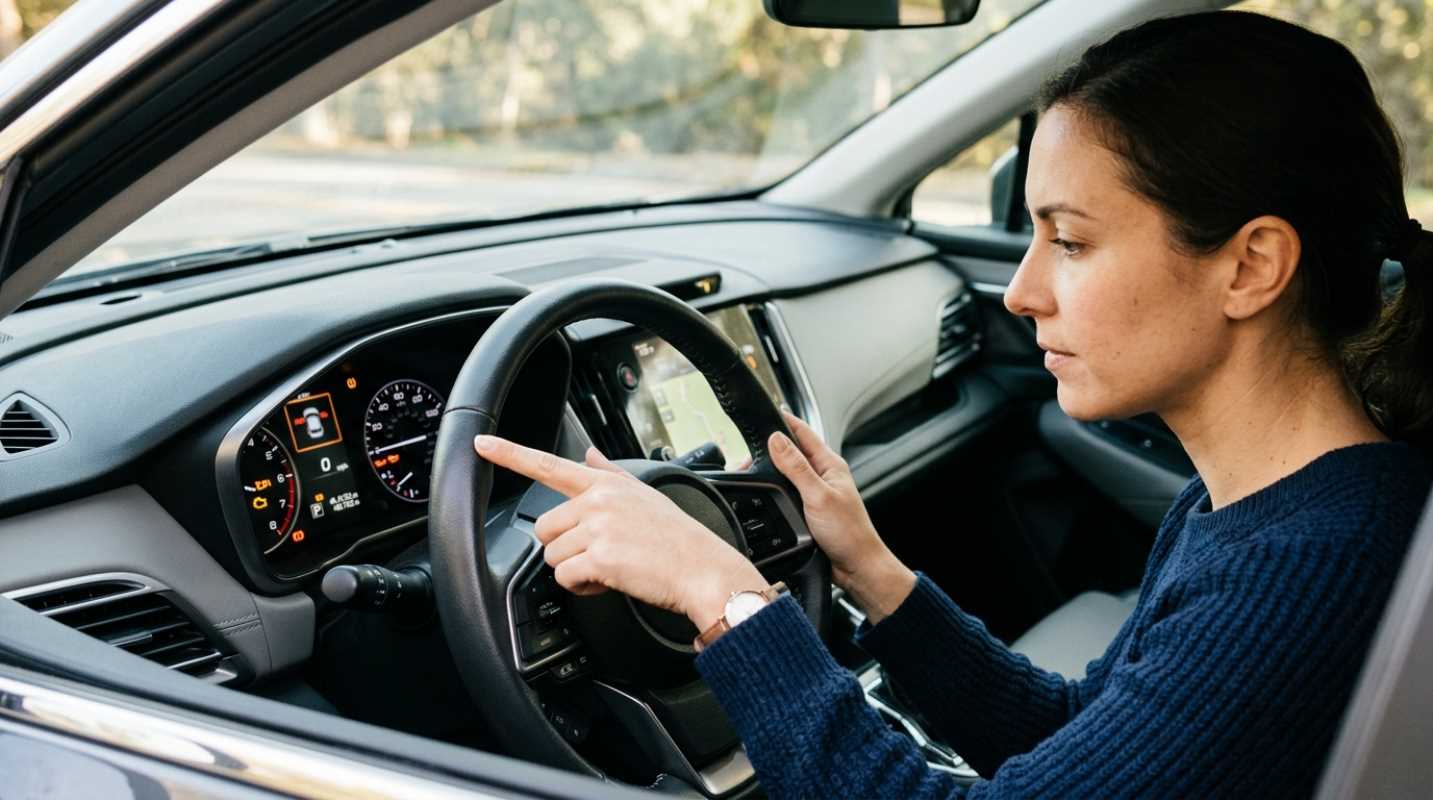
- Conduct an Annual Driving Audit: Before your renewal, take a moment to honestly assess your driving habits. Estimate your current annual mileage. Think about how often you drive during peak hours. This self-awareness is your best tool.
- Talk to Your Agent: Call your insurance provider and discuss your audit. Ask specifically about low-mileage discounts, telematics programs, and pay-per-mile options. Be direct and ask, "Based on how I use my car, are there any programs that could save me money?"
- Review Your Garaging Address: Make sure your insurer has your correct and current address where the car is primarily kept. Using an old address could invalidate your policy in the event of a claim.
- Shop Around with Your Profile: When getting quotes from other companies, provide them with your detailed driving profile. Tell them about your low mileage, your safe driving record, and where you live. This will ensure you get the most accurate and competitive quotes possible.
Your insurance policy is a dynamic tool, not a static document. By aligning it with the realities of your driving life, you not only unlock potential savings but also build a more robust safety net. You are in control of this process, and taking these small, empowered steps can make a world of difference.