Have you ever walked out to your garage after a few months away, turned the key in your car, and met nothing but a depressing click? Or maybe you opened the door only to be greeted by a musty, moldy smell that immediately made you regret your choices?
It's a common story. Many people think that storing a car simply means parking it, locking the doors, and walking away. But leaving a vehicle completely idle for thirty days or more is actually one of the worst things you can do to it.¹
Without proper preparation, a dormant car quickly starts to deteriorate. Tires develop flat spots, batteries lose their charge, fuel turns into a gummy varnish, and rodents can move into your engine bay. Think of car preservation storage as an investment. Taking a little time to prep your vehicle now will save you thousands of dollars in repairs and endless frustration down the road. Proactive care is the only way to make sure your car is ready to roll when you return.
The Pre-Storage Ritual of Cleaning and Protection
Before you even think about parking your car for the long haul, you need to give it a serious spa day. It might seem strange to clean a car right before you hide it away, but this step is actually key to protecting its surfaces.²
Start with a thorough exterior wash and a fresh coat of wax. Road grime, bird droppings, and tree sap might look harmless, but if they sit on your paint for months, they will permanently etch the clear coat and cause corrosion. Don't forget to wash the wheel wells to get rid of any hidden mud or road salt.
Next, move to the interior. You need to vacuum every single corner and remove every piece of trash, food crumb, or wrapper. Have you ever left a single stray french fry under a seat? A mouse will find it in a heartbeat.
Here are a few more steps to protect your car's cabin and exterior during storage
• Moisture Control: Place a moisture absorber like DampRid or a few silica gel packets inside the cabin. This keeps mold and mildew from growing on your seats and carpet.
• Wiper Blade Protection: Prop up your windshield wiper arms or place plastic wrap under the rubber blades. This prevents the rubber from sticking and fusing to the glass over time.
• Fuel System Prep: For gas-powered cars, fill your tank to about ninety percent capacity. A full tank leaves less room for wet air to condense inside, which ruins modern ethanol fuel.
• Fuel Stabilizer: Add a high-quality fuel stabilizer like STA-BIL to the tank. Gas can start degrading in just thirty days. After adding it, drive the car for five to ten miles so the treated fuel runs through your entire engine and fuel injectors.
Mechanical Maintenance to Keep Your Engine and Battery Alive
Now let's talk about the mechanical side of things. If you want your engine to start smoothly after months of sitting, you have to protect its moving parts and electrical system.
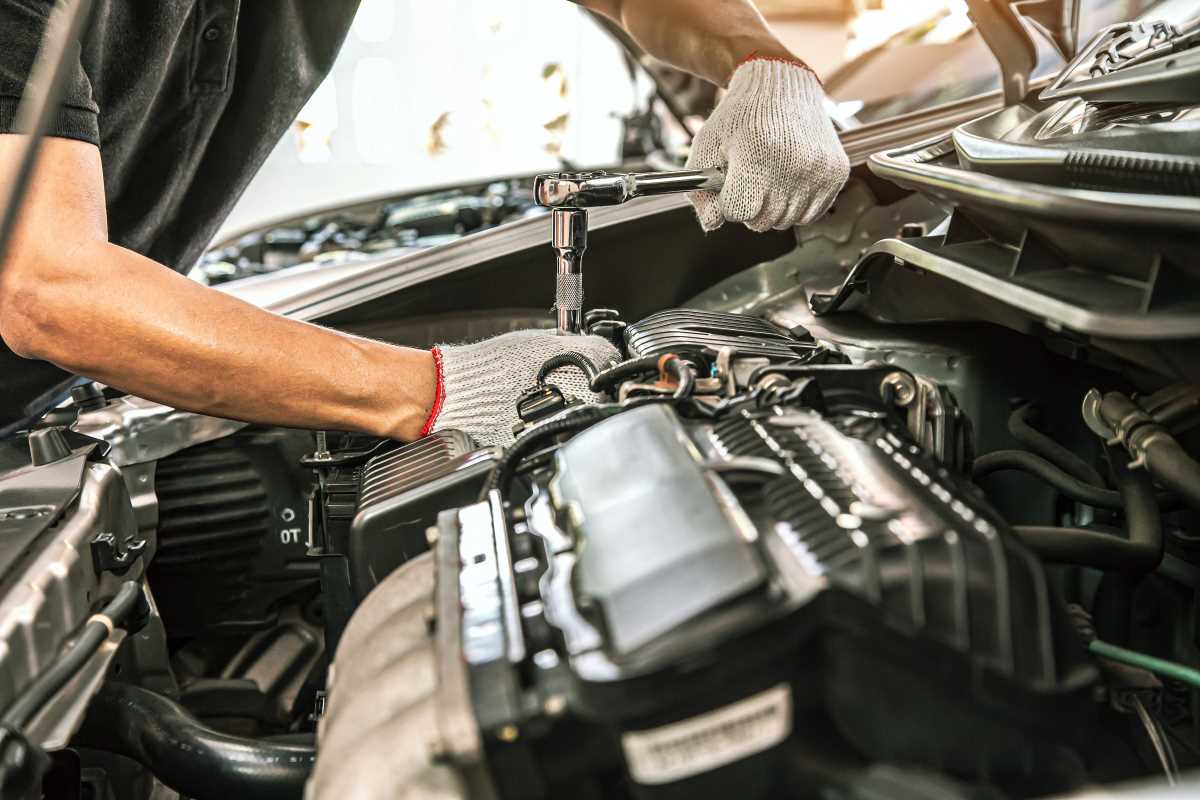
First, get an oil change. It's best to store your car with clean oil. Used engine oil contains acidic contaminants and combustion leftovers that can slowly corrode your engine parts if left to sit.
Next up is battery health. Your car's computer systems and security features constantly draw a tiny amount of power. Over a few weeks, this parasitic drain will completely kill your twelve-volt battery.
You have two main options to handle this
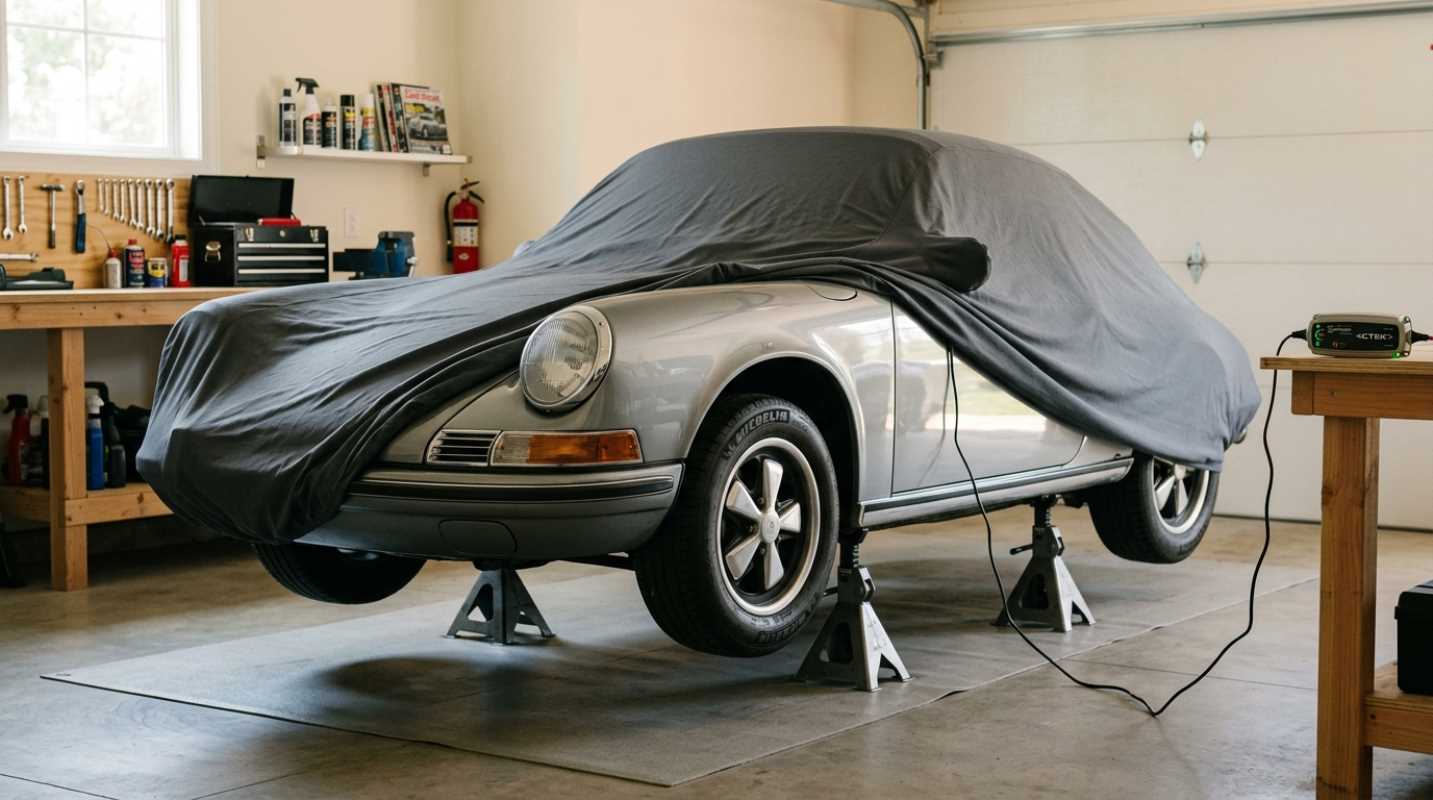
• Smart Trickle Charger: Connect a smart battery tender to your battery. Unlike basic chargers, a smart tender monitors the voltage and only sends power when needed, which prevents overcharging.
• Manual Disconnection: If you don't have access to a power outlet, simply disconnect the negative battery cable. Keep in mind that you'll lose your radio presets and clock settings.
What if you drive an electric vehicle? The rules are a bit different here. You should never store an electric vehicle with a completely full or completely empty battery. Storing a lithium-ion battery at one hundred percent charge for months actually degrades its lifespan. Instead, keep your high-voltage battery at a state of charge between forty and sixty percent, with fifty percent being the sweet spot.³ If your storage spot has a charger, keep the car plugged in with the charge limit set to fifty percent so the onboard systems can manage battery temperatures.
Finally, protect your tires and brakes. When a heavy car sits in one spot for months, the tires lose pressure and the constant weight causes flat-spotting. To prevent this, add an extra ten PSI of air to each tire before storage, but don't exceed the maximum pressure listed on the tire sidewall.⁴ If you're storing the car for more than six months, consider putting it on jack stands to take the weight off the tires entirely.
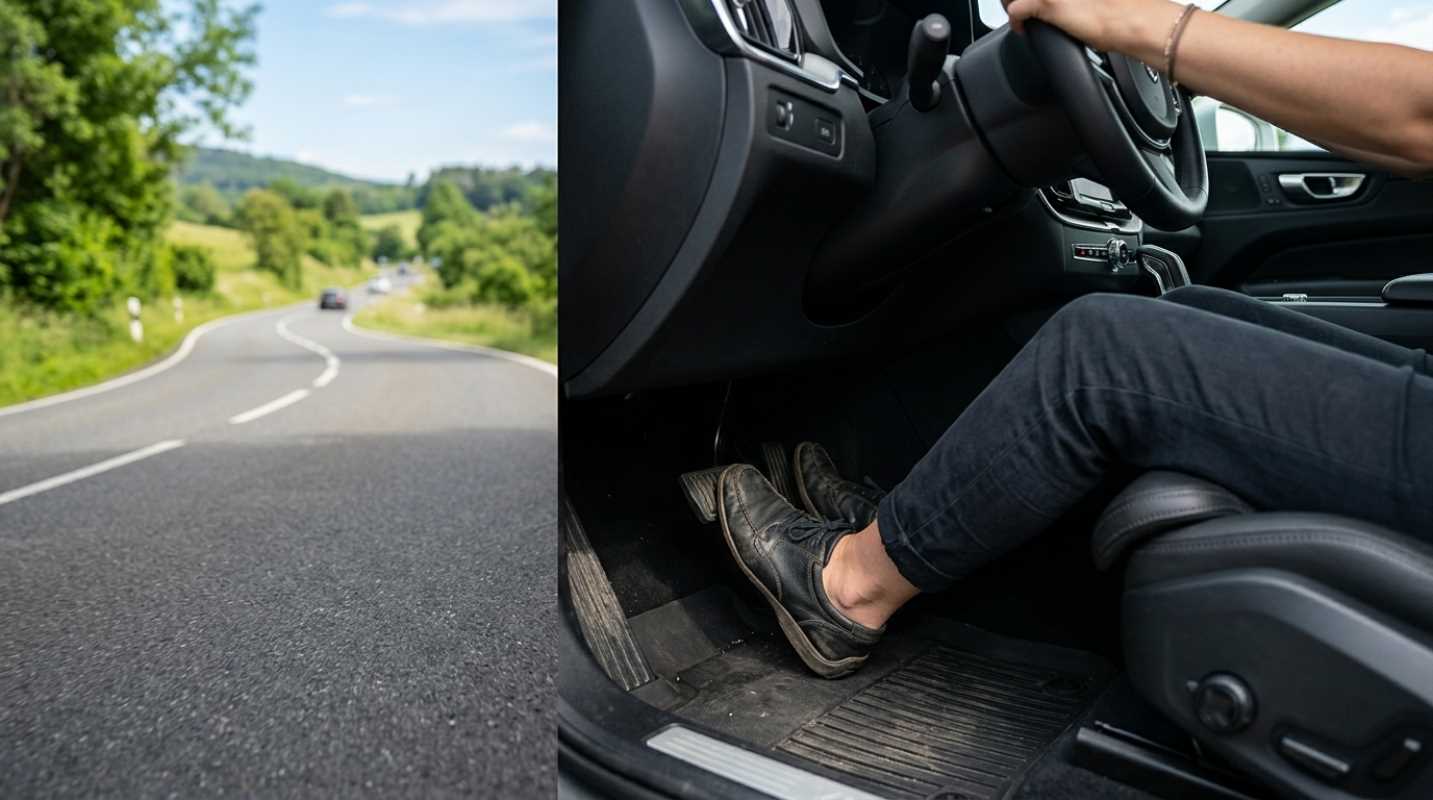
And whatever you do, do not set the parking brake! If brake pads press against the rotors for months, moisture can cause them to rust and fuse together. Use heavy-duty wheel chocks to keep the car from rolling instead.
Choosing the Right Environment for Storing a Vehicle
Where you park your car is your first line of defense. An indoor, climate-controlled garage is the absolute gold standard because it keeps your car away from extreme temperatures, UV rays, and high humidity.⁵
If you have to park outside, make sure you park on a paved or concrete surface. Never park on grass or dirt. Soil constantly releases moisture, which will rise directly into your car's undercarriage and accelerate rust. You should also use a high-quality, breathable, weatherproof car cover. Avoid cheap plastic tarps because they trap moisture underneath, which can ruin your paint.
You also need to protect your car from pests. Over the last fifteen years, car manufacturers have switched to soy-based wiring insulation. Rodents love the taste of this eco-friendly material, and a chewed wiring harness can easily cost thousands of dollars to fix.
To keep mice out of your car, use these tactics
• Block Entry Points: Stuff steel wool or brass mesh into your exhaust pipe and the engine air intake so mice can't build nests inside. Just leave a big note on your steering wheel to remind yourself to remove them before starting the car!
• Scent Repellents: Place peppermint oil-soaked cotton balls or highly scented dryer sheets under the hood, in the trunk, and inside the cabin. Rodents hate these strong smells.
• Rodent Tape: Wrap vulnerable wires in capsaicin-treated electrical tape, which has a spicy taste that deters pests.
Before you lock up, don't forget about your auto insurance. Don't cancel your policy entirely, because a lapse in coverage will cause your premiums to spike when you try to sign up again. Instead, call your insurer and ask to switch to a storage-only plan. This removes collision coverage, which can save you up to seventy-five percent on your premiums, while keeping your car protected against theft, fire, or physical damage.
The Secret to a Smooth Restart
When the time finally comes to get back on the road, don't just jump in, turn the key, and speed away. Your car needs a gentle wake-up call.
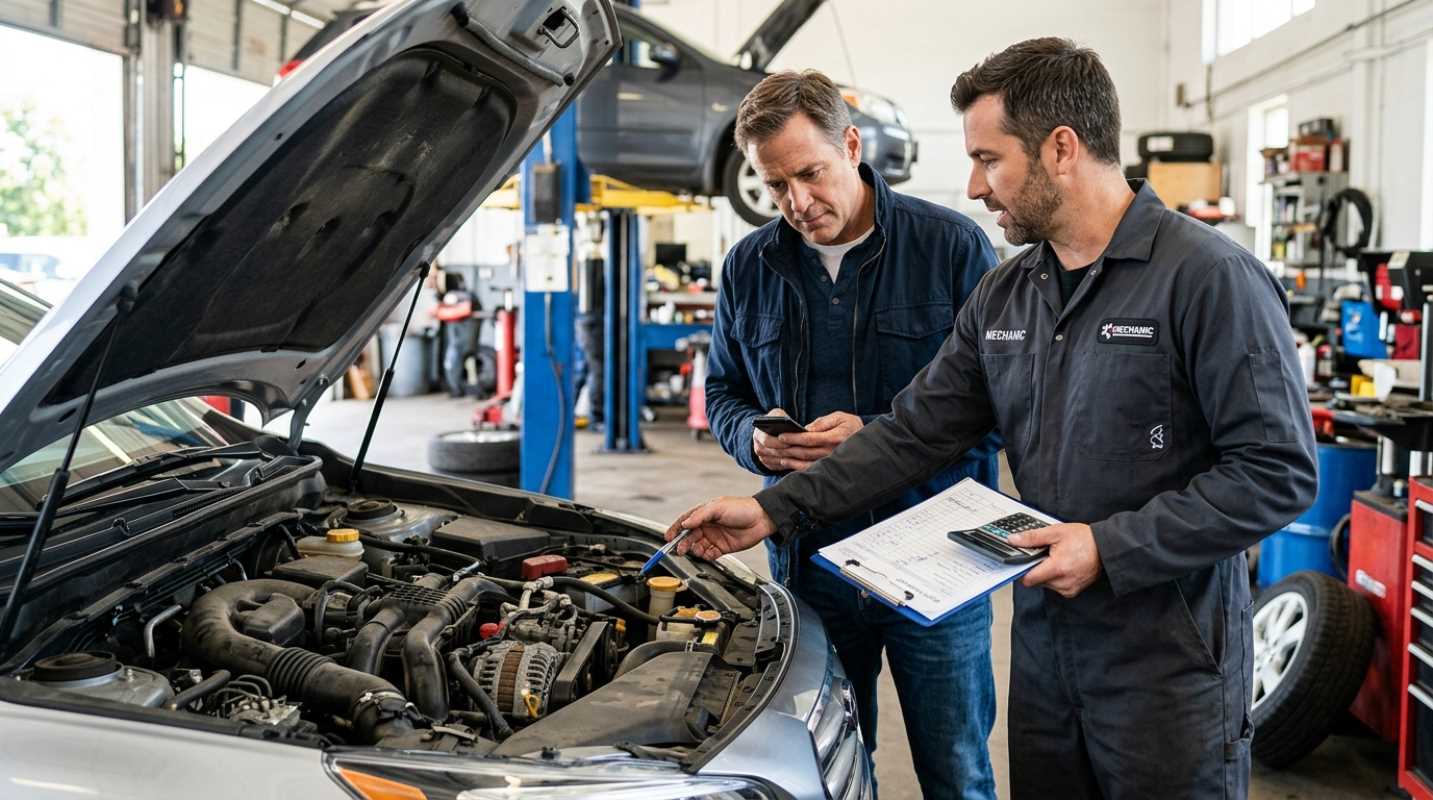
Before you start the engine, open the hood and do a quick inspection. Check your fluid levels, look for any signs of animal nesting, and make sure no hoses or belts look cracked or dry. Most importantly, remove any steel wool or mesh you stuffed into the exhaust pipe or air intake.
Once you start the engine, let it idle for a few minutes so the oil can circulate and lubricate all the moving parts. Take a slow drive around the block to test the brakes and make sure the tires feel smooth. Finally, make sure your registration is still current and call your insurance company to switch your policy back to full coverage. With a little preparation, your car will feel just as smooth and reliable as the day you parked it.
Sources:
1. The Best Practices for Storing a Car Long-Term
https://www.cottmanofwaldorf.com/blog/the-best-practices-for-storing-a-car-long-term
2. How to Prepare Your Car for Long-Term Storage: A Checklist
https://www.box-kat.com/blogs/box-kat-blog/how-to-prepare-your-car-for-long-term-storage-a-checklist
3. EV Management
https://www.polestarfinancialservices.com/articles/march-2025/ev-management
4. Parked Car Storage Tips
https://mwg.aaa.com/via/car/parked-car-storage-tips
5. Long-Term Car Storage: How to Prepare Your Ride
https://www.storagestar.com/blogs/long-term-car-storage-how-to-prepare-your-ride
*This article on AutomobileVehicle is for informational and educational purposes only. Readers are encouraged to consult qualified professionals and verify details with official sources before making decisions. This content does not constitute professional advice.*