Buying a used car is an exciting step, and we want you to feel amazing about your decision long after you drive off the lot. You have worked hard for your money, and making a smart investment is key. One of the biggest, yet often overlooked, factors in a car purchase is depreciation—how much value your car loses over time. Understanding this concept is your superpower. It can save you thousands of dollars in the long run. We are here to guide you through it all, sharing practical tips and empowering you with the knowledge to choose a car that not only meets your needs but also protects your finances. Let’s get started on finding you a great car that holds its value.
What Is Depreciation and Why Does It Matter?
Depreciation is the difference between what you pay for a car and what it is worth when you sell it. Almost every car loses value over time, but some lose it much faster than others. Think of it as a hidden cost of ownership. A car that depreciates quickly is like a leaky bucket for your money.
We want you to avoid that! Choosing a car that holds its value well means you get more of your original investment back when it is time to sell or trade it in. This gives you more financial freedom for your next purchase or any other life goal. A little bit of research now can make a huge difference to your bottom line later. You’ve got the power to make a financially savvy choice, and we are here to show you how.
The Sweet Spot: Buying Smart to Beat Depreciation
The steepest drop in a car’s value happens in the first few years of its life. A brand-new car can lose 20% or more of its value in the very first year! This is great news for you as a used car buyer. You can let the first owner take that big financial hit.
The “sweet spot” for buying a used car is typically when it is two to five years old. At this point, the initial rapid depreciation has slowed down, but the car is still modern, reliable, and often comes with up-to-date features. You get a vehicle that feels almost new without paying the new-car premium. You can do this! By targeting this age range, you are already positioning yourself to avoid the worst of the depreciation curve.
Brands and Models Known for Holding Their Value
Certain brands and models have a stellar reputation for retaining their value. This is often tied to their reliability, low maintenance costs, and strong demand. Focusing your search on these vehicles is a fantastic strategy.
Trucks and SUVs are Often Winners
Pickup trucks and many SUVs tend to hold their value exceptionally well. Their versatility and durability make them highly sought after.
- Toyota Tacoma and Toyota 4Runner: These vehicles are legendary for their longevity and off-road capability. They are so popular that a 5-year-old model might still sell for a huge percentage of its original price.
- Jeep Wrangler: The Wrangler has a passionate following and a timeless design, which keeps its resale value incredibly high. It is a vehicle that people specifically seek out.
- Honda CR-V and Toyota RAV4: These practical and reliable compact SUVs are always in demand, which helps them retain their value far better than many sedans.
Reliable Sedans That Stand Strong
Some sedans also do a great job of beating depreciation. The key is usually a reputation for bulletproof reliability.
- Honda Civic and Toyota Corolla: These cars are famous for being affordable to own and running for hundreds of thousands of miles. That dependability keeps their resale values stable.
- Subaru Impreza and Legacy: Standard all-wheel drive and a strong safety record make Subarus very popular, especially in areas with snowy weather. This consistent demand helps them hold their value.
Factors That Cause a Car to Depreciate Faster
Knowing what to look for is important, but knowing what to avoid is just as crucial. We’ve got your back with a list of common depreciation traps.
Overpaying in the First Place
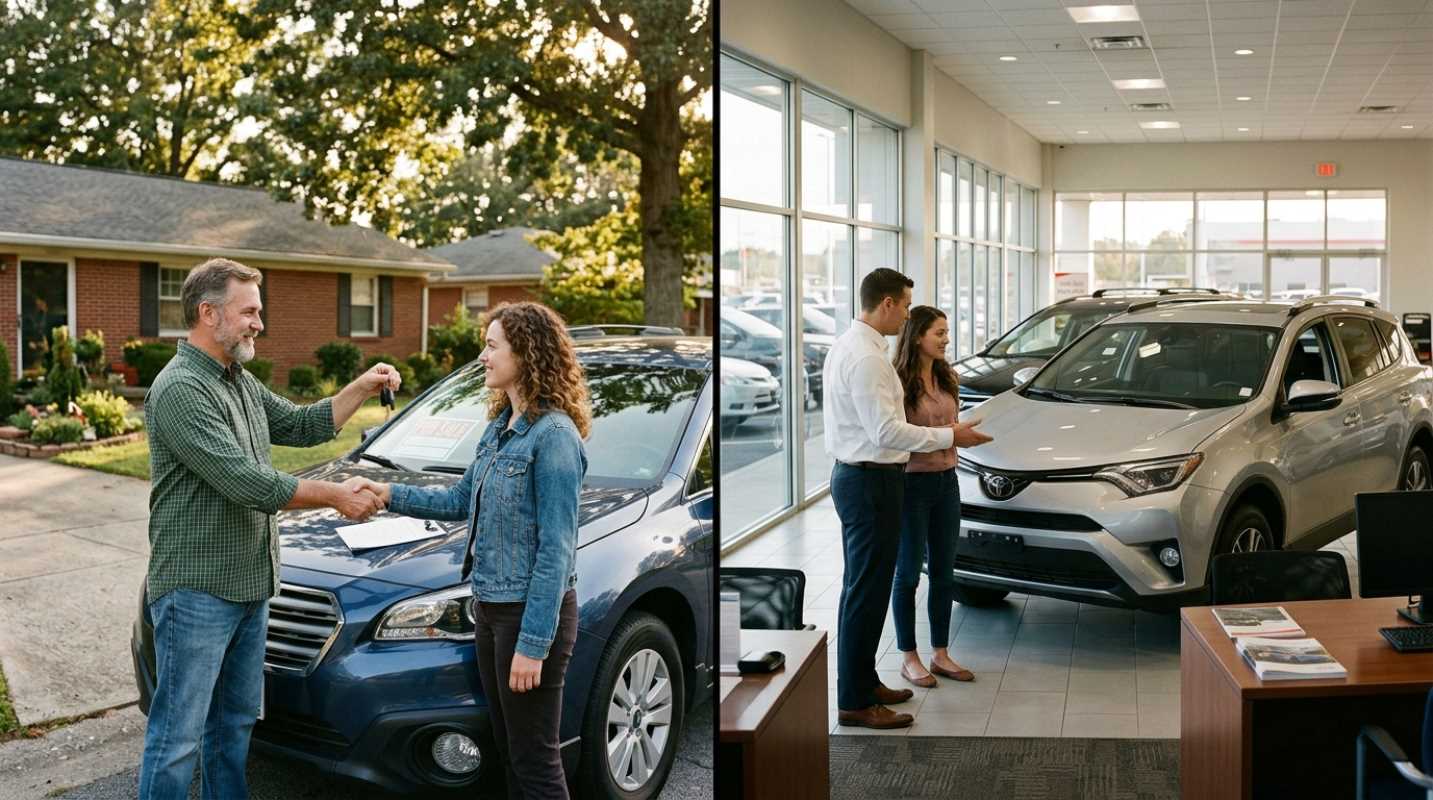
The easiest way to lose money is to pay too much upfront. Before you even start negotiating, research the car’s market value on sites like Kelley Blue Book (KBB) or Edmunds. Look at what similar cars are selling for in your local area. Walking into a negotiation with this knowledge empowers you to make a fair offer and not overpay.
Luxury Brands with High Maintenance Costs
High-end luxury cars, especially from some European brands, can have staggering depreciation. While a 5-year-old luxury sedan might seem like a bargain, its value often plummets because potential buyers are scared of the high maintenance and repair costs. A simple repair on a premium luxury car can sometimes cost thousands of dollars. Unless you have a specific budget for these upkeep costs, it is often wise to stick with brands known for more affordable maintenance.
Unpopular or Discontinued Models
A car that was not a big seller when new will likely not be in high demand when it is used. The same goes for models that have been discontinued by the manufacturer. Fewer people are searching for these cars, which means sellers have to lower their prices to attract a buyer. This can lead to rapid depreciation.
Unconventional Colors or Options
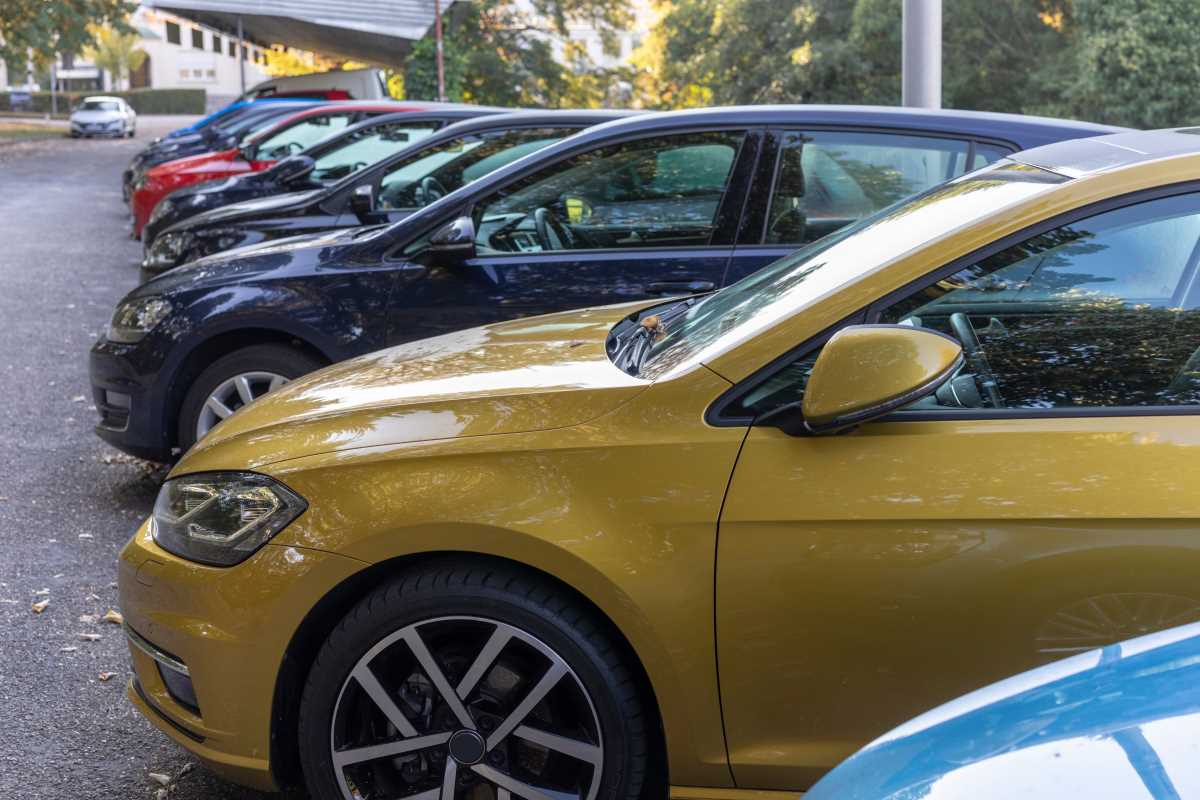
A car painted in a bright, unusual color like lime green or hot pink might seem fun, but it appeals to a much smaller group of buyers. Neutral colors like white, black, silver, and gray are always a safer bet for resale value. Similarly, cars with strange option combinations or missing key features (like air conditioning or power windows) will also be harder to sell down the road.
How to Protect Your Car’s Value After You Buy
Once you have made your smart purchase, you have the power to influence how well your car holds its value. Taking good care of your vehicle is a direct investment in its future worth.
Stick to the Maintenance Schedule
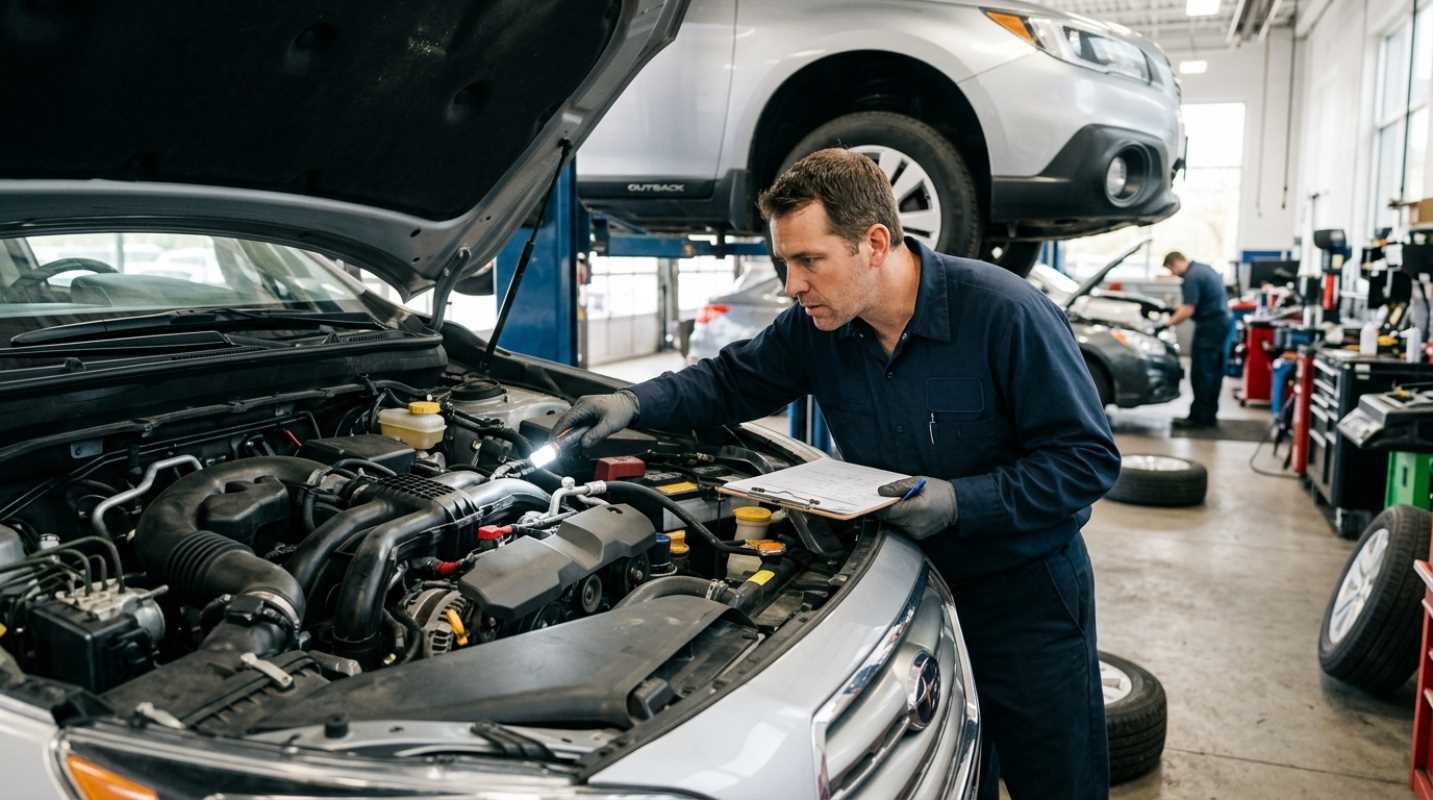
Regular maintenance is the single most important thing you can do. Keep a folder with all your service records, from oil changes to tire rotations. A buyer who sees a thick stack of receipts knows the car has been loved and cared for. It builds trust and justifies a higher selling price. A well-maintained car is a valuable car.
Keep It Clean
A clean car is a happy car! Regularly washing the exterior and keeping the interior tidy prevents long-term wear and tear. A clean interior avoids permanent stains and odors, while a clean exterior protects the paint from damage. This simple habit makes a huge visual impact when it is time to sell.
Drive Responsibly and Keep Mileage in Check
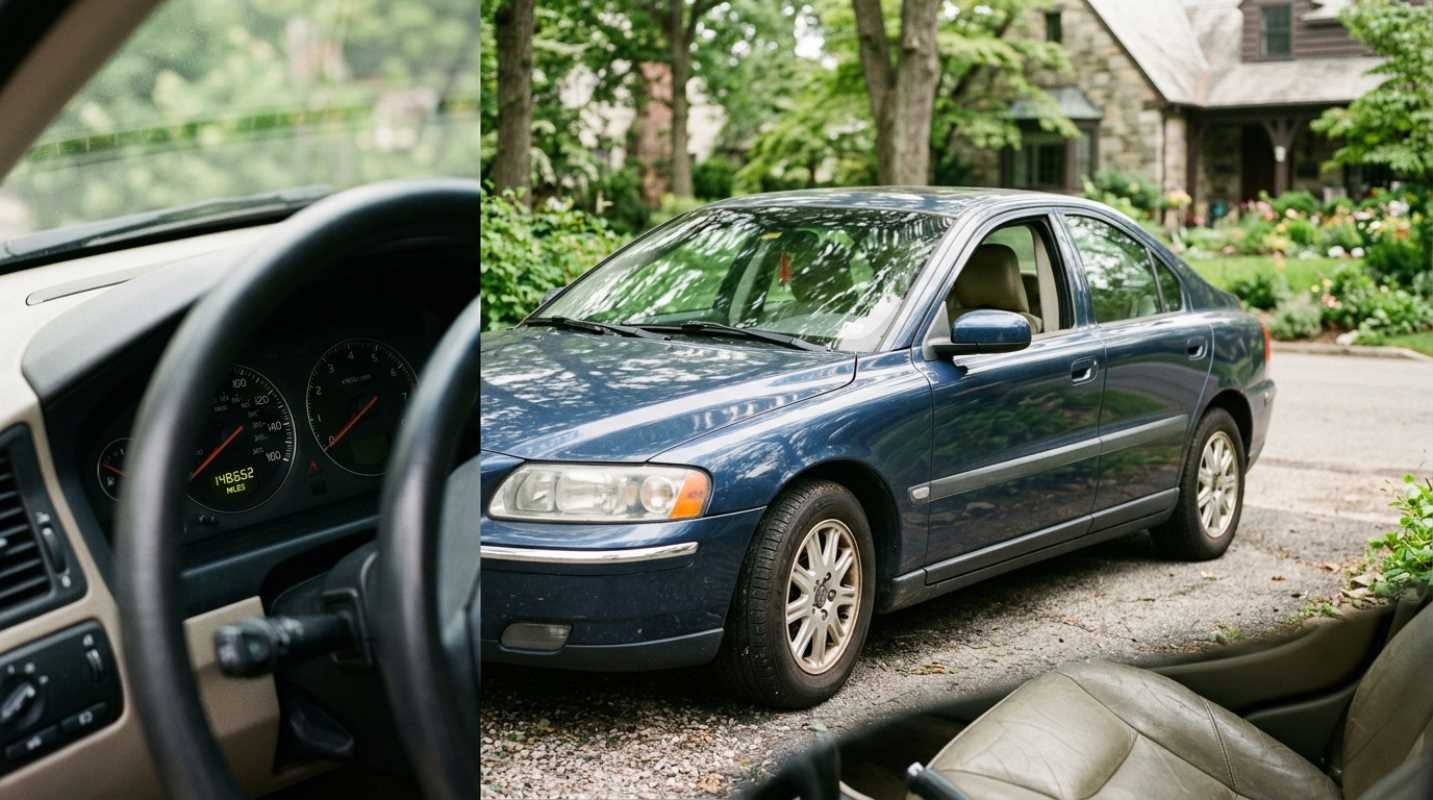
While you should absolutely enjoy your car, be mindful of mileage. The average driver puts about 12,000 to 15,000 miles on their car per year. A vehicle with lower-than-average mileage for its age will almost always be worth more. Avoiding aggressive driving habits also reduces wear on the engine, brakes, and tires, keeping the car in better condition.