 (Image via
Walking onto a used car lot can often feel intimidating for even the most experienced drivers. You might worry about paying too much or getting pressured into a deal that does not serve your best interests. Negotiation is not about conflict or winning a battle; it is simply a conversation to reach a fair agreement. This guide is designed to give you the tools and strategies you need to advocate for yourself effectively. We will walk you through the entire process, from doing your homework at home to shaking hands on a fair price. You will learn how to research vehicle values, why pre-approval matters, and specific phrases to use during the discussion. Let's turn that anxiety into confidence and help you drive away in the right car at the right price.
The Power of Preparation
Knowledge is your most valuable asset during any negotiation. Entering a dealership without knowing the facts puts you at a distinct disadvantage. Doing your homework beforehand levels the playing field and helps you understand exactly what a fair deal looks like.
Know the Market Value
Understanding the true market value of the car you want is the foundation of your strategy. Online valuation tools like Kelley Blue Book (KBB), Edmunds, and NADA Guides are excellent resources. These platforms allow you to input specific details about a vehicle—such as year, make, model, mileage, and condition—to see what others in your area are paying.
Print out these valuation reports and bring them with you. Having physical proof of the market value shows the seller that you are an informed buyer. Sellers find it much harder to argue with data than with opinions. You can confidently point to the report and explain that your offer is based on current market data, not just a guess.
Secure Financing Before You Shop
Arranging your financing before you visit a dealership gives you a significant advantage. Visit your local bank or credit union to get pre-approved for an auto loan. This process tells you exactly how much you can afford and what interest rate you qualify for.
Walking in with a pre-approval letter effectively makes you a cash buyer in the eyes of the dealer. You can focus the conversation entirely on the price of the car rather than getting lost in confusing discussions about monthly payments and interest rates. Dealers often try to bundle the vehicle price and the loan terms together to make a deal look better than it is. having your own financing separates these two elements, keeping things clear and straightforward.
Assessing the Vehicle's Condition
The physical condition of a used car is a major factor in its value. Every scratch, dent, or mechanical issue is a potential negotiation point. Thoroughly inspecting the vehicle helps you justify a lower offer.
The Visual Inspection
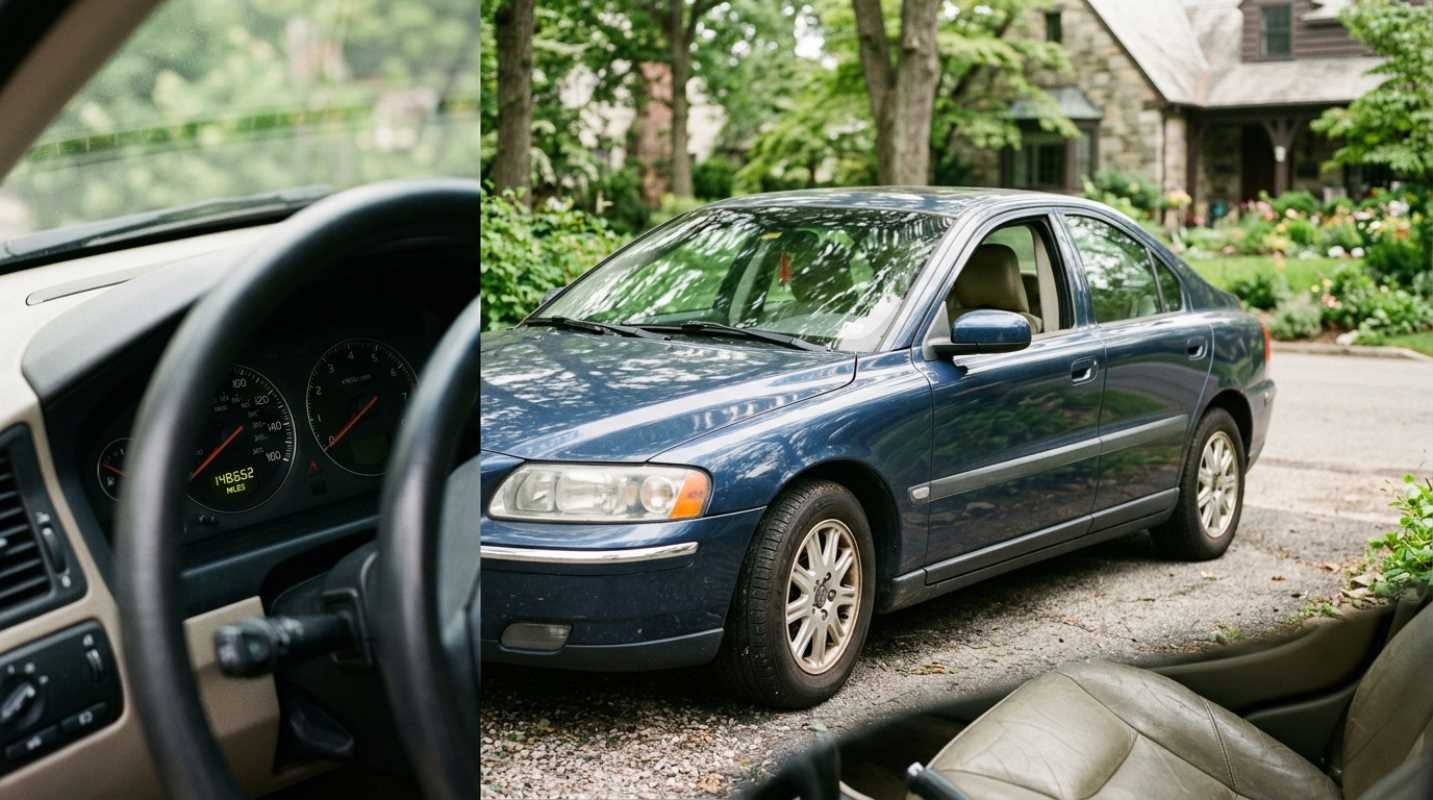
Take your time walking around the vehicle. Look closely for mismatched paint, which could indicate previous accident repairs. Check the tires to see if the tread is worn down. Worn tires are a safety hazard and an immediate expense you will have to cover, so it is fair to ask for a discount equal to the cost of a new set.
Check the interior for rips, stains, or electronics that do not work. Test every window switch, the air conditioning, and the radio. Point these issues out politely to the seller as you find them. You are building a case for why the price should be lower than the asking amount.
The Professional Mechanic’s Opinion
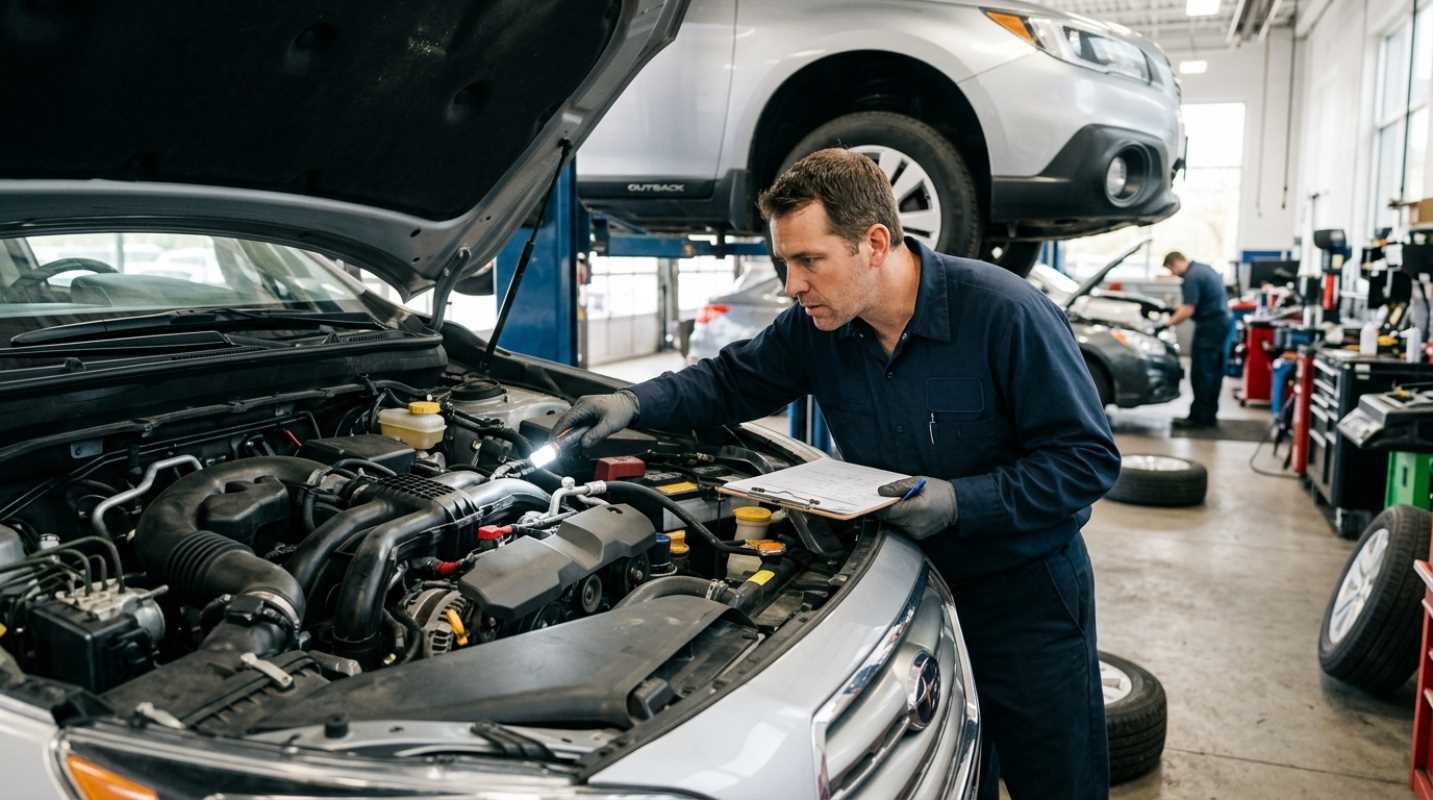
Always insist on a pre-purchase inspection by an independent mechanic. A professional can spot hidden issues like oil leaks, suspension wear, or rusted components that an untrained eye would miss.
Use the mechanic's report as a bargaining tool. The inspection might reveal that the car needs $500 worth of brake work. You can then ask the seller to either lower the price by $500 or perform the repairs before you buy. This step protects your wallet and ensures you are not buying a car with expensive secrets.
Tactics for the Negotiation Conversation
The actual conversation about price does not have to be stressful. Keeping a calm, friendly, and firm demeanor is the key to success. You are looking for a win-win situation where you get a fair price and the seller sells the car.
Making the Opening Offer
Let the seller name a price first, which is usually the sticker price. Your first offer should be lower than what you are actually willing to pay, but it must be realistic. Low-balling with an insulting offer can shut down communication immediately.
Base your opening offer on your research. You might say, "I have looked at the market data, and similar cars in this area are selling for $15,000. given that this one needs new tires, I am comfortable offering $14,000." This approach is logical and respectful. It shows you have a reason for your number, which makes it harder for the seller to dismiss.
The Power of Silence
Silence is one of the most effective negotiation tools available. After you make an offer or ask for a concession, stop talking. Wait for the seller to respond.
People often feel uncomfortable with silence and rush to fill the void by talking. Sellers might start justifying their price or even offer a discount just to break the tension. Resist the urge to fill that quiet space. stay patient and let the seller make the next move. This simple tactic keeps you in control of the pace of the conversation.
Focus on the "Out-the-Door" Price
Dealers often try to negotiate based on monthly payments. They might ask, "What payment are you looking for?" and then extend the loan term to hit that number without actually lowering the price of the car.
Always negotiate the "out-the-door" price. This is the total amount you will write a check for, including taxes, registration, and fees. Negotiating the total cost prevents the seller from hiding extra charges in the paperwork. Keep the discussion focused on this final number until you reach an agreement.
Navigating Counteroffers and Closing
The seller will likely come back with a counteroffer. This is a normal part of the process. You can move up from your initial offer, but do so in small increments. Meet them in the middle, but do not exceed the maximum budget you set for yourself.
Handling Dealer Add-Ons
Review the final paperwork carefully before you sign anything. Dealerships sometimes add extra fees for things like "document preparation," "VIN etching," or "fabric protection."
Challenge these fees. Ask exactly what they are for and request that they be removed. Many of these add-ons are unnecessary or overpriced. You can simply say, "I did not ask for this service, and I am not willing to pay for it." Be prepared to stand your ground on these "junk fees," as they can add hundreds of dollars to your total.
The Willingness to Walk Away
Your ability to leave without buying is your ultimate power. You do not have to buy this specific car. There are thousands of used cars on the market.
Politely end the negotiation if the seller refuses to meet your price or tries to pressure you. You can say, "I appreciate your time, but that price doesn't work for me." Often, the act of walking toward the door will prompt the seller to call you back with a better offer. Even if they don't, you have saved yourself from a bad deal. Trust that the right car is out there waiting for you.