 (Image via
Buying a used car is an exciting milestone, but it also comes with a lot of questions. You want to make sure the vehicle you choose is safe, reliable, and worth the investment. Unfortunately, a shiny exterior can sometimes hide a troubled past. That is why checking a car’s history is one of the most important steps you can take. We want you to feel confident and empowered when you sign those papers, knowing exactly what you are getting. This guide is here to walk you through the process, explaining the tools you need and the red flags to watch for. By taking these precautions, you protect your wallet and ensure many happy miles ahead. Let’s dive into how you can become a smart, informed buyer.
Why a Vehicle History Report is Essential
A vehicle history report is like a background check for a car. It tells the story of where the car has been, who owned it, and what happened to it along the way. Without this report, you are essentially buying a mystery.
Sellers might not always know—or share—everything about a car's past. A history report provides transparency. It can reveal if the car was in a major accident, if it was used as a rental or taxi, or if it has a "branded" title. A branded title means an insurance company declared the car a total loss at some point, often due to flooding, fire, or severe collision damage. Knowing this information upfront helps you avoid buying a car that could be unsafe or expensive to insure. We believe you deserve to have all the facts before making such a big decision.
Understanding the VIN: The Car’s Fingerprint
Every car has a unique code called a Vehicle Identification Number, or VIN. This 17-character string of letters and numbers acts just like a fingerprint. No two cars on the road have the same VIN.
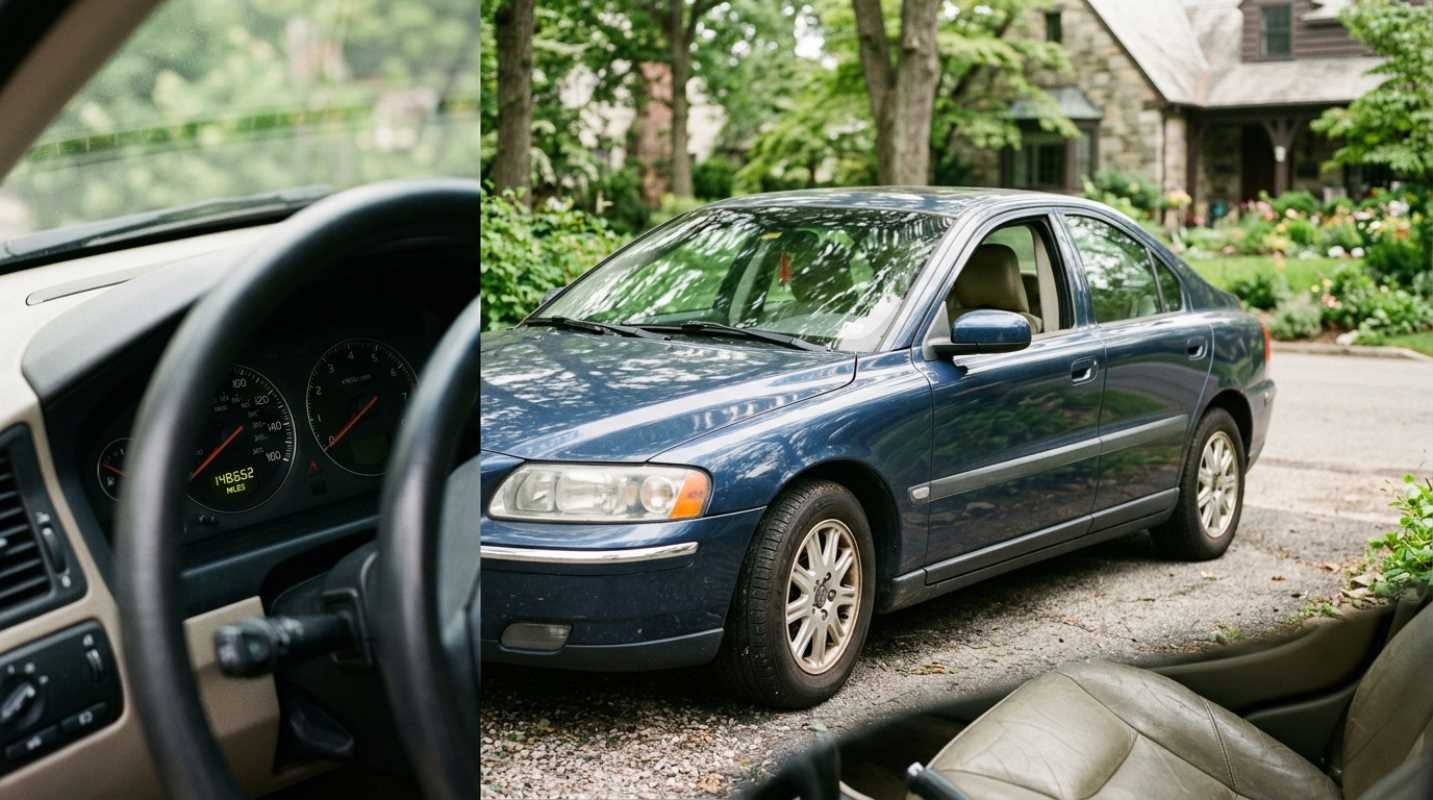
Finding the VIN is easy. You can usually see it through the windshield on the driver's side dashboard. It is also printed on a sticker inside the driver's side door jamb. You will need this number to order any history report. Make sure you write it down exactly as it appears. Once you have the VIN, you can unlock a wealth of information about that specific vehicle. This simple code is your key to accessing the databases that track car histories across the country.
Top Tools for Checking Car History
Several trusted services compile data from insurance companies, police departments, and repair shops to create history reports. Knowing which ones to use gives you a leg up in the buying process.
Carfax
Carfax is perhaps the most well-known service. Their reports are detailed and user-friendly. A Carfax report typically includes accident data, service records, and ownership history. They also offer a "Buyback Guarantee" on cars that have major title problems reported by the DMV that did not show up on their report. This extra layer of protection can be very reassuring.
AutoCheck
AutoCheck is another major player, owned by Experian. One of their standout features is the "AutoCheck Score." This single number summarizes the car’s history and compares it to other similar vehicles. It helps you quickly gauge if a car is a good bet or a risky choice. AutoCheck is also known for being very good at tracking auction data, which is helpful if the car has been sold through dealerships multiple times.
NMVTIS
The National Motor Vehicle Title Information System (NMVTIS) is a government database. It is designed to prevent stolen vehicles and unsafe cars from being resold. While their reports are less detailed than Carfax or AutoCheck regarding service history, they are excellent for verifying the title status and odometer readings. They are also generally much cheaper, making them a good first step if you are on a tight budget.
Interpreting the Report: What to Look For
Getting the report is just the first step; understanding it is where the real value lies. We want to help you decode the information so you can spot potential issues.
Accident History
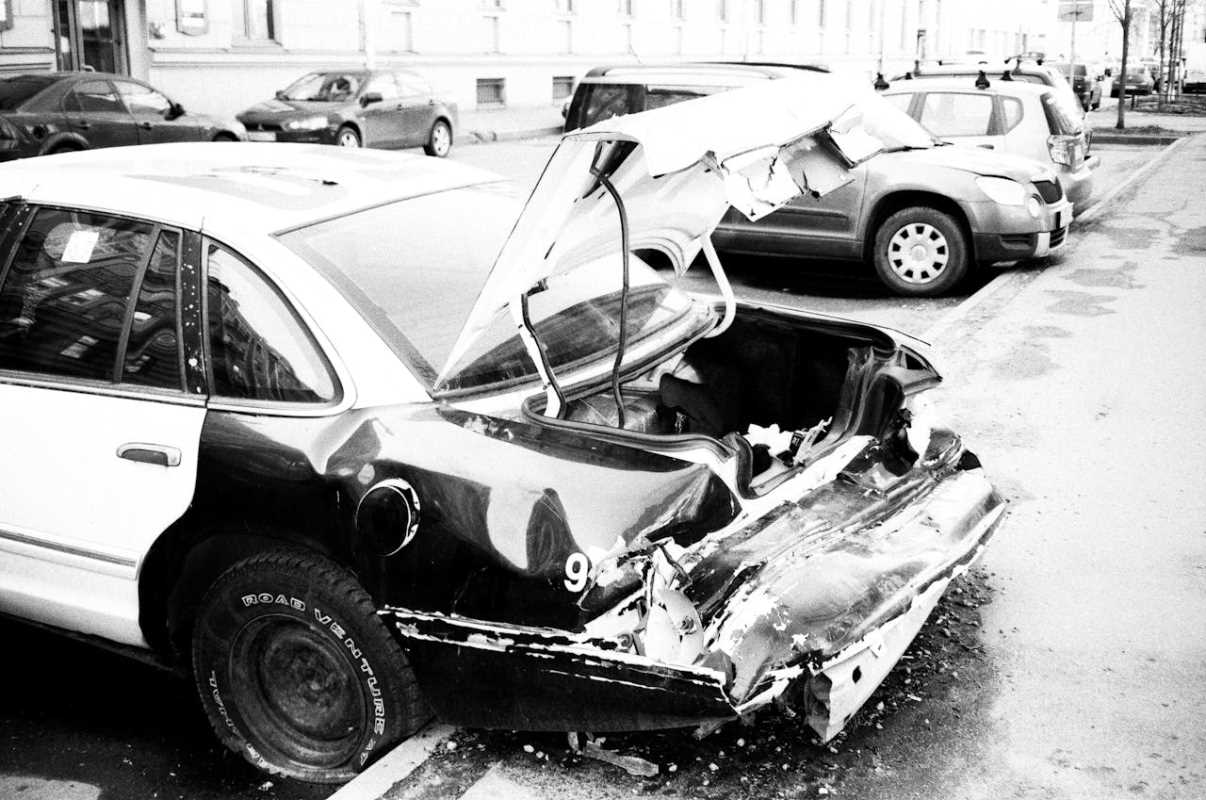
Look closely at any reported accidents. A minor fender bender might not be a dealbreaker, especially if it was repaired professionally. However, reports of "structural damage" or "airbag deployment" are serious warning signs. These indicate a severe crash that could have compromised the car's safety frame.
Ownership History
Check how many owners the car has had. A car with one owner who kept it for ten years is usually a safer bet than a car that has had five owners in five years. Frequent ownership changes can sometimes indicate that the car has recurring problems that people get tired of dealing with. Also, look at where the car lived. A car from a snowy state might have more rust issues due to road salt than a car from a dry, warm climate.
Service Records
Regular maintenance is the secret to a long-lasting engine. A report full of service records for oil changes, tire rotations, and inspections is a great sign. It shows the previous owner cared for the vehicle. Gaps in the service history don't always mean the car was neglected—the owner might have done the work themselves—but a documented history is always preferred.
The Odometer Check: Avoiding Rollbacks
Odometer fraud is illegal, but it still happens. Unscrupulous sellers might roll back the odometer to make a car appear newer and less used than it actually is. This tricks you into paying more for a worn-out vehicle.
Vehicle history reports track mileage every time the car is registered or serviced. You can look at the mileage progression on the report. The numbers should always go up over time. If you see a record from two years ago showing 80,000 miles, and the current odometer reads 60,000 miles, you are looking at a rollback. This is a massive red flag. Walk away immediately if the mileage numbers don't add up logically. Protecting yourself from this scam saves you from buying a car that is much closer to the end of its life than you think.
Title Washing and Hidden Damage
Scammers sometimes move a damaged car to a different state to get a new, clean title. This illegal practice is called "title washing." It removes the "salvage" or "flood" brand from the paperwork, hiding the car's true condition.
A good history report helps you catch this. It tracks the title across state lines. If you see that a car was titled in a state known for recent hurricanes and then quickly moved and retitled in a different state, be very cautious. Flood damage can rot a car from the inside out, causing electrical gremlins that are impossible to fix. We encourage you to be skeptical of cars that have moved around the country frequently in a short period.
Free Ways to Check History
You don't always have to pay for information. There are a few free resources you can use before spending money on a full report.
The NICB VINCheck
The National Insurance Crime Bureau (NICB) offers a free service called VINCheck. It allows you to see if a vehicle has been reported stolen or if it is a salvage vehicle. It is a basic check, but it is a great starting point. It can rule out the worst-case scenarios instantly.
Ask the Seller
Dealers often subscribe to Carfax or AutoCheck and will provide the report for free if you ask. It is standard practice for reputable dealerships. If a dealer refuses to show you the report, consider that a warning sign. Private sellers might not have a report on hand, but you can ask them to provide one or offer to split the cost. An honest seller has nothing to hide and should be willing to cooperate.
Beyond the Paperwork: The Physical Inspection
A clean history report is excellent, but it is not a guarantee. Paperwork can have errors, or incidents might not have been reported to insurance. That is why a physical inspection is the perfect partner to a history check.
Look for Paint Mismatches
Walk around the car in daylight. Look for slight differences in paint color between panels. If a door looks slightly darker than the fender next to it, it might have been repainted after a crash. Run your finger along the gaps between panels. They should be even. Uneven gaps suggest that body parts were replaced or realigned poorly.
Check the Tires
Tires can tell a story, too. Uneven wear on the tires can indicate alignment issues or suspension damage, possibly from hitting a curb or a deeper accident. Make sure all tires match in brand and size. Mismatched tires on an all-wheel-drive vehicle can actually damage the transmission.
The Pre-Purchase Inspection
We always recommend taking the vehicle to an independent mechanic for a pre-purchase inspection. For a small fee, a professional will put the car on a lift and check the frame, engine, and undercarriage. They can spot signs of repairs that don't show up on any report. This expert opinion is the ultimate peace of mind.