 (Image via
Car auctions can feel like a thrilling world of fast-paced bidding and incredible deals, but we know it can also seem intimidating for newcomers. You have probably heard stories of people driving away in amazing cars for a fraction of their retail price, and you want to know how you can do it too. You absolutely can! We are here to pull back the curtain on the auction process and empower you with the knowledge to find your own hidden gem. This guide will give you the practical steps and insider tips you need to navigate the auction floor with confidence. Let's get you ready to spot a great deal and drive it home.
Why Car Auctions Offer Amazing Value
Car auctions are a unique marketplace where vehicles are sold quickly. Dealerships often use auctions to clear out trade-in inventory that doesn't fit their brand. Rental companies, banks, and government agencies also sell their fleet vehicles at auction. This fast-paced environment means cars are often sold for wholesale prices, which are significantly lower than what you would pay on a retail lot.
This creates a huge opportunity for you. By buying directly from the source, you can cut out the middleman and save thousands of dollars. We believe that with the right preparation, anyone can take advantage of these savings. It is a chance to get more car for your money, whether you are looking for a reliable daily driver or a specific model you have always dreamed of owning.
Do Your Homework Before You Go
Success at an auction begins long before the bidding starts. Preparation is your most powerful tool, and we have got you covered on where to begin.
Find the Right Auction
There are different types of car auctions. Public auctions are open to everyone, while dealer-only auctions require a special license. Start by searching for public car auctions in your area. Many will post their inventory online a week or two before the sale. This is your chance to browse the available vehicles from the comfort of your home.
Create a Hit List
Go through the online catalog and make a list of a few cars that interest you. Don’t fall in love with just one vehicle. Having several options prevents you from getting emotional and overbidding on a single car. For each car on your list, write down the year, make, model, and Vehicle Identification Number (VIN).
Research Each Vehicle
Use the VIN to run a vehicle history report from a service like Carfax or AutoCheck. This report is crucial. It will tell you about any reported accidents, title issues (like a salvage or flood brand), and the car’s service history. We want you to eliminate any cars with major red flags, like structural damage or a branded title, before you even get to the auction. This step alone can save you from a huge mistake.
The Pre-Auction Inspection: Your Key to a Good Deal
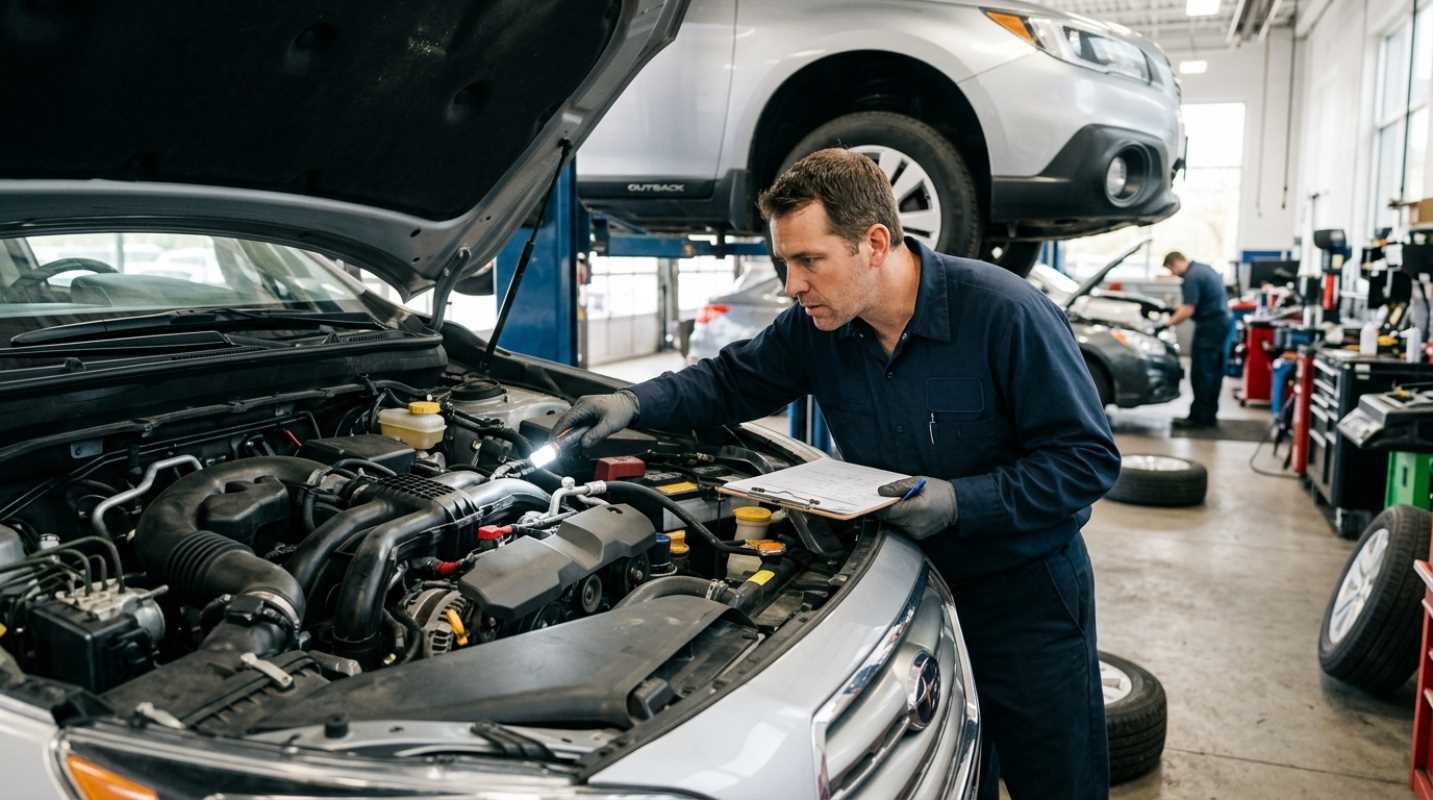
Most auctions allow you to inspect the vehicles in person a day or two before the sale. This is a non-negotiable step. A car might look great in photos, but an in-person inspection can reveal issues that are not visible online. You’ve got this!
The Visual Walk-Around
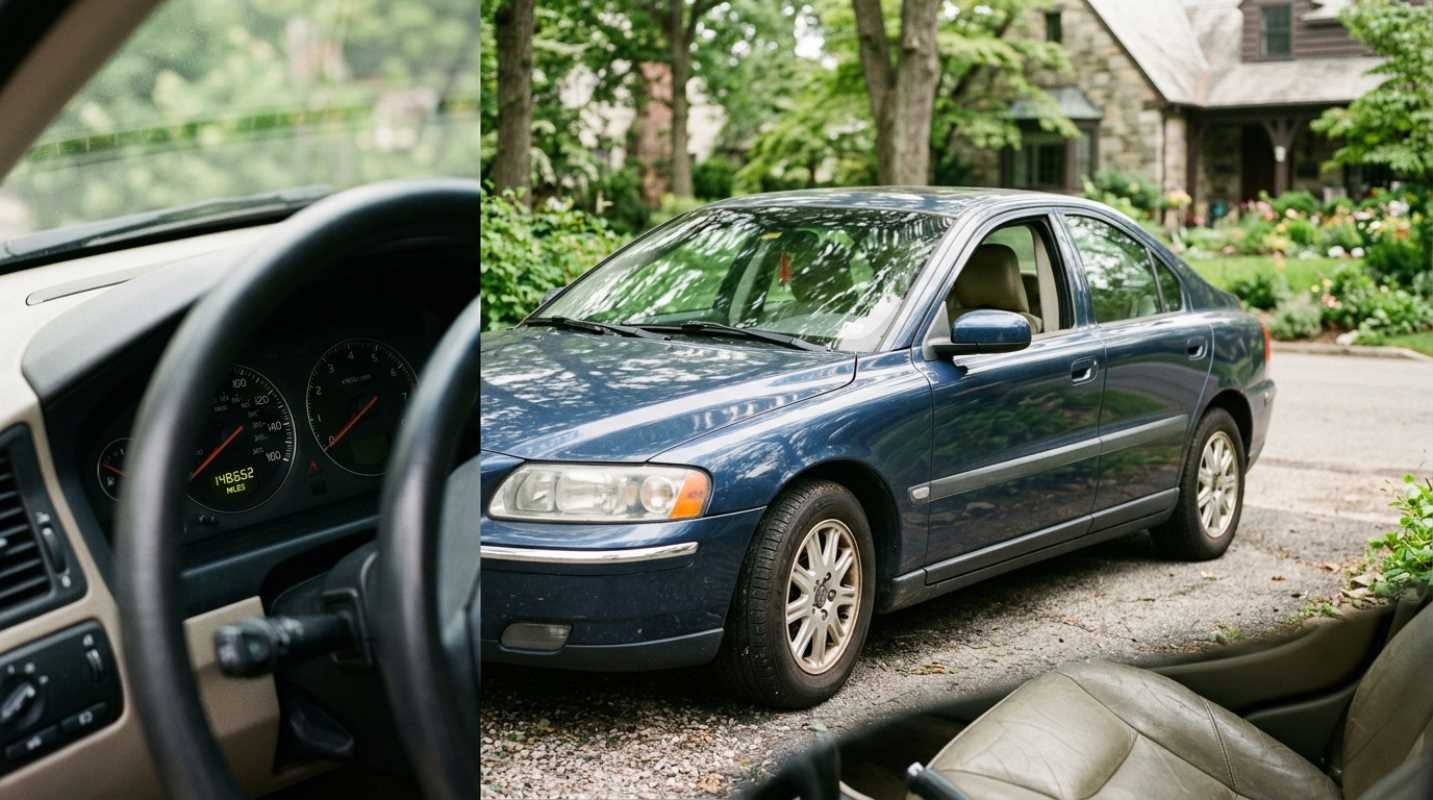
Start by walking around the car. Look for signs of body damage, such as mismatched paint, uneven panel gaps, or overspray on the trim. These are clues that the car has been in an accident. Check for rust, especially on the frame and underbody. A little surface rust can be normal, but deep, flaky rust is a major problem. Also, check the tires for uneven wear, which could signal alignment or suspension issues.
Under the Hood and Inside
Pop the hood and look for any obvious fluid leaks. Check the oil and transmission fluid levels and color. Dark, gritty oil or transmission fluid that smells burnt can indicate neglect.
Inside the car, check for any unusual odors, like mildew (a sign of water leaks) or smoke. Turn the key to the "on" position without starting the engine. All the dashboard warning lights should illuminate and then turn off. A light that stays on, like the check engine light, means there is a problem that needs to be diagnosed.
Start the Engine
Auctions usually let you start the cars, but you typically cannot drive them. Turn the engine on and listen for any strange noises, like knocking, tapping, or squealing. A smooth-running engine is a great sign. Check that the air conditioning blows cold and the heat works. Test all the power windows, locks, and radio functions.
Understanding the Auction Process
The auction itself can be fast and a bit chaotic, but we’re here to help you understand the flow.
Know the Lingo
The auctioneer will speak quickly. You will hear terms like "run and drive," which means the car starts and can move under its own power. This is not a guarantee of its mechanical condition. A "title attached" car means the title is present and will be given to you upon payment.
Watch the Lights
Many auctions use a light system to indicate a car’s condition. A green light often means the car is in good running order with no known major issues. A yellow light signals that there are announced problems, which the auctioneer will describe. A red light usually means the car is being sold "as-is," often with significant known issues. We strongly advise new buyers to focus on green-light cars.
Set Your Maximum Bid and Stick to It
This is the most important rule of auction buying. Based on your research of the car's market value, decide the absolute maximum price you are willing to pay for each car on your list. Write this number down. During the heat of the bidding, it is easy to get caught up and bid more than you intended. Your pre-set limit is your safeguard against overpaying.
Bidding Strategy for Beginners
You are ready to bid! Here are a few tips to help you feel confident.
Watch a Few Cars First
Before your target car comes up, watch a few other vehicles sell. This helps you get a feel for the auctioneer’s rhythm and how the bidding process works. You will see how other people bid and how quickly the prices can rise.
Bid with Confidence
When it is your turn, make your bids clear. Hold up your bidder number and nod or call out your bid. Don't be timid. Projecting confidence can sometimes intimidate other bidders.
Know When to Walk Away
If the bidding for a car surpasses your maximum price, stop. Let it go. It can be disappointing, but sticking to your budget is the mark of a smart buyer. There will always be another car at another auction. Falling in love with a car and breaking your budget is the easiest way to turn a potential deal into a bad one.
After You Win: The Final Steps
Congratulations, you won! Here is what happens next.
Payment and Paperwork
You will need to go to the auction office to pay for your vehicle and complete the necessary paperwork. Auctions typically have specific payment requirements, such as cash, cashier's check, or bank transfer. Make sure you know these rules beforehand. You will sign the title and a bill of sale, officially making the car yours.
Arrange for Transportation
You are now responsible for the vehicle. It is a great idea to have a transportation plan in place before you even go to the auction. You might be able to drive the car home, but you will need to arrange for insurance first. Some people prefer to have the car towed to their home or a mechanic for a full post-purchase inspection.