 (Image source: Midjourney)
 The used car market is a dynamic environment, constantly shaped by economic shifts, consumer behavior, and technological advancements. Understanding these changes is essential for anyone looking to buy or sell a pre-owned vehicle in 2025. A smart approach requires more than just a casual look at local listings; it involves tracking specific trends to make informed and confident decisions. This guide will help you navigate the key factors influencing the used car landscape. We will explore pricing fluctuations, shifts in supply and demand, the growing impact of technology, and how you can use this knowledge to your advantage. Let's get you ready to make the best possible choice for your automotive needs.
Understanding Pricing and Value in the Used Car Market
Grasping the forces that determine the price of a used vehicle is the first step toward making a smart purchase or sale. Prices are not set randomly. They are the result of several interconnected factors that create a constantly moving target.
Key Factors Influencing Used Car Prices
Several elements contribute to the final sticker price of a pre-owned car. Economic conditions are a major driver. For example, interest rates set by central banks can influence the cost of auto loans, making it either easier or harder for people to afford a purchase. Inflation also plays a role by affecting the overall cost of goods and consumer spending power.
The price of new cars has a direct ripple effect on the used market. High prices for new vehicles often push more buyers toward pre-owned options, increasing demand and, consequently, prices for used cars. Conversely, manufacturer incentives or rebates on new models can sometimes pull buyers away from the used market, causing a slight dip in used car values. Keeping an eye on what’s happening in new car showrooms gives you valuable insight into the pre-owned sector.
How to Track and Analyze Pricing Data
You have access to powerful tools to help you track these price movements. Online valuation guides like Kelley Blue Book (KBB) and Edmunds provide reliable estimates for what a specific make and model is worth. These platforms gather vast amounts of data from dealer sales, private transactions, and auctions to create their valuation models. You can enter a vehicle's details—including its year, make, model, mileage, and condition—to get a fairly accurate picture of its current market value.
Marketplace websites are another excellent resource. Sites like Autotrader, Cars.com, and CarGurus show you what similar vehicles are actually listed for in your area. This real-time data helps you understand local market dynamics, which can differ from national averages. Watching these listings over a few weeks can reveal pricing patterns and help you spot a good deal when it appears.
Navigating Supply and Demand Dynamics
The basic economic principle of supply and demand is at the heart of the used car market. The number of available vehicles (supply) versus the number of people wanting to buy them (demand) directly impacts pricing and availability.
Current State of Used Car Inventory
In recent years, the supply of used cars has been influenced by production disruptions in the new car industry. Fewer new cars being built and sold means fewer trade-ins entering the used market a few years later. This can lead to a tighter supply of desirable, low-mileage used vehicles.
The composition of the inventory is also changing. You may notice a growing number of electric vehicles (EVs) and hybrids becoming available as pre-owned options. Early adopters of these technologies are starting to trade in their vehicles, creating a new segment in the used market. At the same time, certain types of vehicles, like sedans, might be less common as consumer preference continues to favor SUVs and trucks.
Identifying High-Demand Models
Consumer preferences are always evolving, and this directly affects which cars are most sought after. Fuel efficiency remains a top priority for many buyers, especially during periods of high gas prices. This keeps demand strong for smaller cars, hybrids, and fuel-efficient SUVs.
Reliability is another timeless factor. Brands with a strong reputation for durability and low maintenance costs, such as Toyota and Honda, consistently hold their value well because they are always in demand. Additionally, the increasing desire for modern technology means that models equipped with features like advanced driver-assistance systems (ADAS), large infotainment screens, and smartphone integration are becoming more popular. Understanding which features and models are currently trending can help you either find a sought-after vehicle or price your own car competitively.
The Role of Technology in Tracking Trends
Technology has transformed how we research, buy, and sell used cars. Digital tools and data analytics provide a level of transparency that was unimaginable just a couple of decades ago. Embracing these resources empowers you to make decisions with greater confidence.
Digital Tools for Today's Buyer and Seller
Vehicle History Reports are an indispensable tool. Services like CarFax and AutoCheck offer a detailed history of a specific vehicle using its Vehicle Identification Number (VIN). These reports can reveal critical information, including accident history, service records, title issues, and previous ownership. A clean report can provide peace of mind, while a report with red flags can help you avoid a potentially costly mistake.
Online marketplaces have evolved far beyond simple classified ads. Many now offer advanced search filters that let you narrow down your options by everything from fuel type and color to specific features like a sunroof or heated seats. Some platforms also include price analysis tools that compare a listing's price to the market average, telling you if a deal is great, good, or fair. These features save time and help you quickly identify the best options available.
The Impact of AI and Data Analytics
Behind the scenes, artificial intelligence (AI) and big data are making market tracking more sophisticated than ever. AI-powered algorithms analyze millions of data points, including sales records, online search trends, and economic indicators, to predict future market behavior. These predictions help dealers set pricing and manage inventory, but they also power the consumer-facing valuation tools you use.
This data-driven approach leads to more accurate and dynamic pricing. It means that the value of a used car can adjust more quickly to changes in the market. For you, this translates to having access to up-to-date and reliable information. You can be confident that the valuation you see online reflects current market realities, helping you negotiate more effectively and understand the true worth of a vehicle.
Preparing for the Used Car Market in 2025
Being prepared is the key to successfully navigating the used car market. A strategic approach will help you achieve your goals, whether you are buying your next car or selling your current one.
Actionable Tips for Buyers
- Do Your Homework: Before you even start looking at cars, research the models that interest you. Look up their reliability ratings, common maintenance issues, and estimated ownership costs.
- Set a Realistic Budget: Your budget should include more than just the purchase price. Factor in potential costs for taxes, registration, insurance, and any immediate repairs or maintenance the vehicle might need.
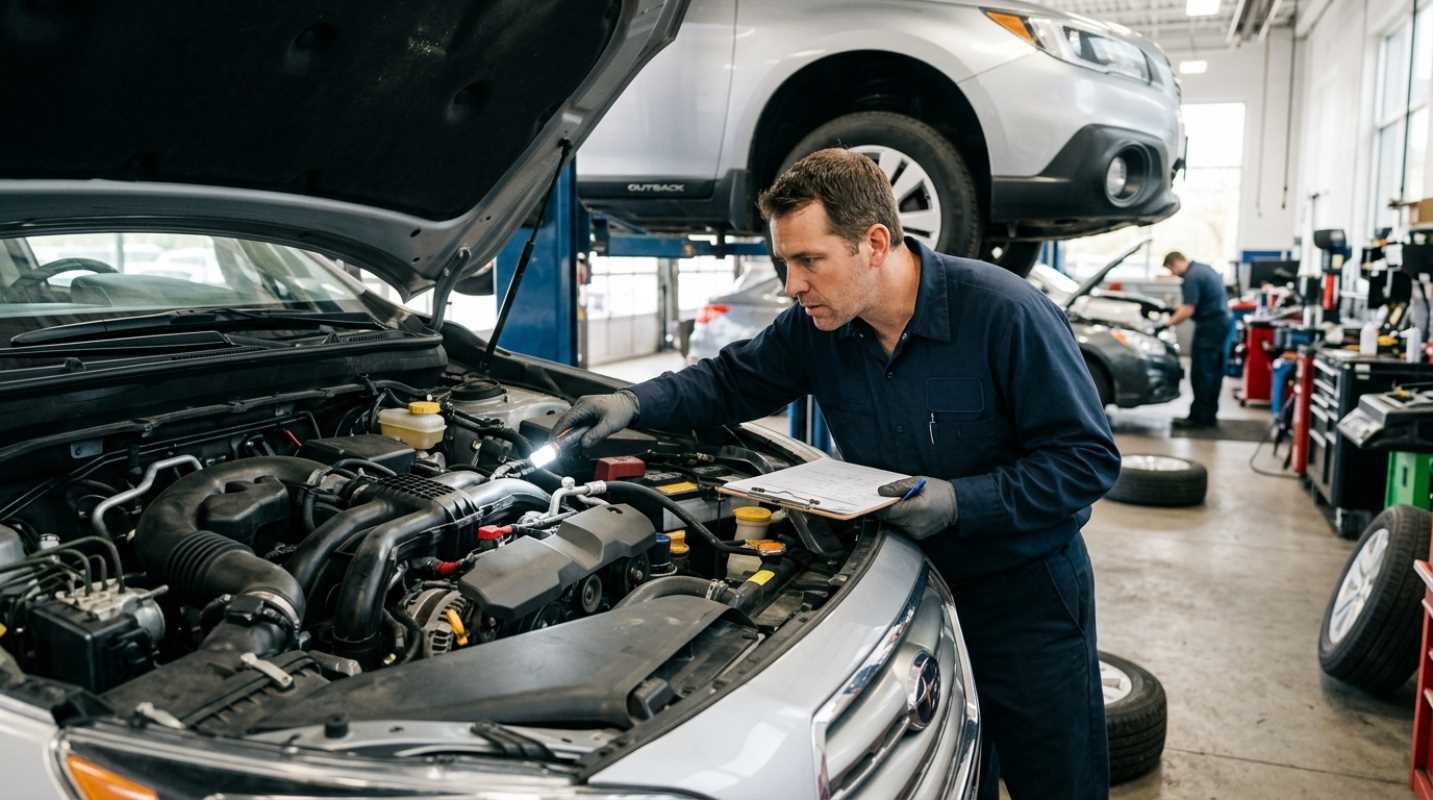
- Always Get an Inspection: Even with a clean vehicle history report, a pre-purchase inspection by a trusted mechanic is a crucial step. A professional can spot underlying issues that are not visible to the untrained eye.
Actionable Tips for Sellers
- Prepare Your Vehicle: A clean and well-maintained car is much more attractive to buyers. Invest in a thorough detailing and make sure all routine maintenance is up to date.
- Gather Your Documents: Having the vehicle's title, service records, and a recent vehicle history report on hand makes the selling process smoother and builds trust with potential buyers.
- Price It Right: Use online valuation tools and browse local listings to set a competitive yet realistic price. Pricing your car too high can deter buyers, while pricing it too low means leaving money on the table.
By staying informed about market trends and using the available tools, you can approach the 2025 used car market with confidence and come away with a positive result.