 (Image via
Commuting can feel like a second job sometimes. You spend hours every week navigating traffic, dodging potholes, and hoping your car gets you to the office and back without a fuss. A reliable sedan transforms that daily grind into a manageable, even pleasant, experience. You need a vehicle that sips fuel, keeps you comfortable, and starts every single morning. We understand that finding the right car is about more than just getting from point A to point B; it’s about peace of mind and financial security. This guide is designed to help you navigate the used car market with confidence. We have selected top-tier sedans that are famous for their longevity and low cost of ownership. Let's explore the best options to keep you moving forward.
Why Commuters Need Specific Reliability
Commuting puts a unique kind of stress on a vehicle. Stop-and-go traffic wears down brakes and transmissions faster than highway driving. High mileage accumulates quickly, turning a low-mileage gem into a high-mileage veteran in just a few years. That is why choosing a car with a proven track record is essential.
Reliability for a commuter means more than just not breaking down. It means consistent fuel economy so your budget stays predictable. It means comfortable seats that support your back during long delays. It also means easy maintenance. You want a car that any mechanic can fix quickly, so you aren't left without wheels when you need them most. We believe that your car should support your career, not add stress to it.
The Toyota Corolla: The Undisputed Champion
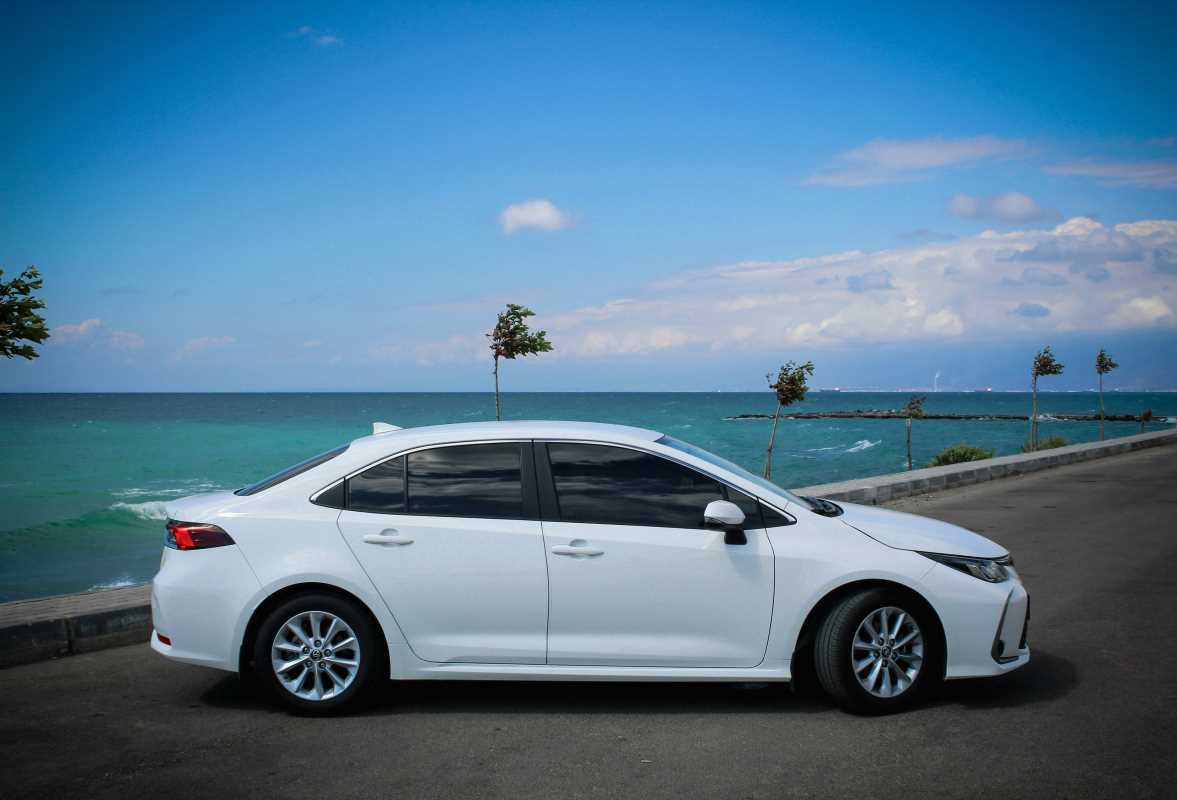
It is impossible to talk about reliable commuting without mentioning the Toyota Corolla. This compact sedan is the gold standard for getting the job done efficiently and affordably. It might not be the flashiest car on the road, but it is undoubtedly one of the smartest purchases you can make.
Built to Last
Toyota engineers the Corolla with a focus on simplicity and durability. The engines are not over-stressed, which means they can run for hundreds of thousands of miles with just basic oil changes. Owners frequently report driving their Corollas well past the 200,000-mile mark with the original engine and transmission. This longevity is perfect for commuters who rack up miles quickly.
What to Look For
Target models from the 2014 to 2019 generation. These years offer a great balance of modern safety tech and affordable pricing. The LE trim is the most common and includes features like Bluetooth and a backup camera. You will also find that these models have excellent fuel economy, often exceeding 30 miles per gallon in mixed driving. The interior is straightforward and durable, designed to withstand daily wear and tear.
The Honda Accord: Comfort Meets Capability
For those who need a bit more space than a compact car offers, the Honda Accord is a fantastic step up. It is a midsize sedan that feels substantial on the road, offering a smooth ride that smooths out rough pavement.
A Driver’s Choice
Honda has a knack for making practical cars that are still engaging to drive. The Accord has precise steering and a suspension that handles corners well. This makes highway merging and navigating city streets feel effortless. The seats are typically wider and more supportive than those in smaller cars, which is a huge benefit if you spend more than an hour in the car each day.
Best Model Years
Look for the 2013 to 2017 models. This generation is widely praised for its reliability and spacious interior. The four-cylinder engine is the practical choice for commuters, offering plenty of power while keeping gas costs low. If you want even better mileage, the Accord Hybrid from these years is a strong contender, though it usually costs a bit more upfront. The trunk is cavernous, easily holding gym bags, groceries, and work equipment all at once.
The Mazda6: Style and Substance
Who says a commuter car has to be boring? The Mazda6 proves you can have a reliable daily driver that looks great and feels premium. It stands out in the parking lot with its sleek curves and aggressive front grille.
Premium Feel on a Budget
Mazda focuses heavily on interior quality. Inside a used Mazda6, you will find soft-touch materials and a layout that feels much more expensive than its price tag suggests. The cabin is quiet, blocking out wind and road noise effectively. This creates a calm environment where you can listen to podcasts or music without cranking the volume up.
Reliability Factors
Mazda’s "Skyactiv" technology is designed to maximize efficiency without sacrificing performance. The engines are robust and have proven to be very reliable over time. Aim for a 2015 to 2018 model. These years avoided some early infotainment glitches and offer a very refined driving experience. Maintenance costs are comparable to Honda and Toyota, making it a budget-friendly option that doesn't feel cheap.
The Hyundai Sonata: Value and Warranty
Hyundai has aggressively improved its quality over the last decade, and the Sonata is proof of that effort. It offers incredible value, often coming with more features than competitors for a lower price.
Packed with Features
You can easily find a used Sonata equipped with heated seats, blind-spot monitoring, and smart cruise control. These features are invaluable for commuters. Blind-spot monitoring, in particular, adds a layer of safety during rush hour lane changes. Smart cruise control reduces fatigue by automatically adjusting your speed to match the car in front of you.
Choosing the Right One
Focus your search on the 2015 to 2019 models. These years marked a significant step up in build quality. The non-turbo 2.4-liter engine is the most common and reliable option. Hyundai’s long original warranty means that even second owners often benefit from remaining coverage, depending on the car’s age and mileage. It is a sensible choice for anyone who wants modern tech without paying a premium price.
The Toyota Prius: The Efficiency King
If your commute involves heavy city traffic or very long distances, the Toyota Prius is in a league of its own. It is the vehicle that defined the hybrid category, and it remains the best option for maximizing fuel economy.
unparalleled Savings
Driving a Prius can cut your fuel bill in half compared to a standard sedan. The hybrid system captures energy when you brake and uses it to help move the car. This shines in stop-and-go traffic where gas engines are least efficient. Over a year of commuting, these savings add up to hundreds of dollars that can stay in your pocket.
Proven Battery Life
A common fear with used hybrids is the battery life. However, Toyota hybrid batteries are incredibly durable. Many taxis use Prius models and drive them for 300,000 miles or more on the original battery. Replacing a battery is also becoming cheaper as technology improves. Look for a 2010 to 2015 model for the best value, or a 2016+ model if you want a more modern look and slightly better mileage. The hatchback design also offers surprising cargo versatility.
The Subaru Legacy: All-Weather Security
For commuters in snowy or rainy climates, standard front-wheel drive might not feel like enough. The Subaru Legacy comes with all-wheel drive (AWD) as a standard feature on every model, providing superior traction when the roads get slick.
Confidence in Bad Weather
Knowing your car can handle a snowstorm reduces the anxiety of winter commuting. The Legacy’s AWD system constantly monitors which wheels have grip and sends power accordingly. It feels planted and secure, preventing slips and slides that can happen with other sedans.
Safety and Space
Subaru is a leader in safety ratings. Many used Legacy models feature the "EyeSight" driver assist system, which includes pre-collision braking. The interior is one of the roomiest in its class, offering excellent visibility. We recommend looking for 2015 to 2019 models. These years have improved engines that addressed older concerns about oil consumption. It is the perfect companion for the commuter who has to get to work regardless of the forecast.
Maintenance Tips for High-Mileage Commuters
Buying a reliable car is the first step, but maintaining it is what keeps it on the road. Commuting adds miles fast, so your maintenance schedule needs to be strict.
Don’t Skip Oil Changes
Oil is the lifeblood of your engine. Frequent stop-and-go driving counts as "severe" driving in many owner's manuals. This means you might need to change your oil more often than the standard recommendation. Check your manual and stick to the schedule religiously.
Watch Your Tires
Tires are your only contact with the road. Commuting wears them down steadily. Rotate your tires every 5,000 to 7,000 miles to ensure they wear evenly. This extends their life and saves you money. Check your tire pressure monthly; proper inflation improves gas mileage and safety.
Listen to Your Car
Pay attention to new noises. A squeak when braking or a clunk when going over bumps is your car telling you something is wrong. Addressing small issues early prevents them from turning into expensive repairs later. Find a trusted mechanic near your home or office so it is easy to drop the car off for service.