 (Image via
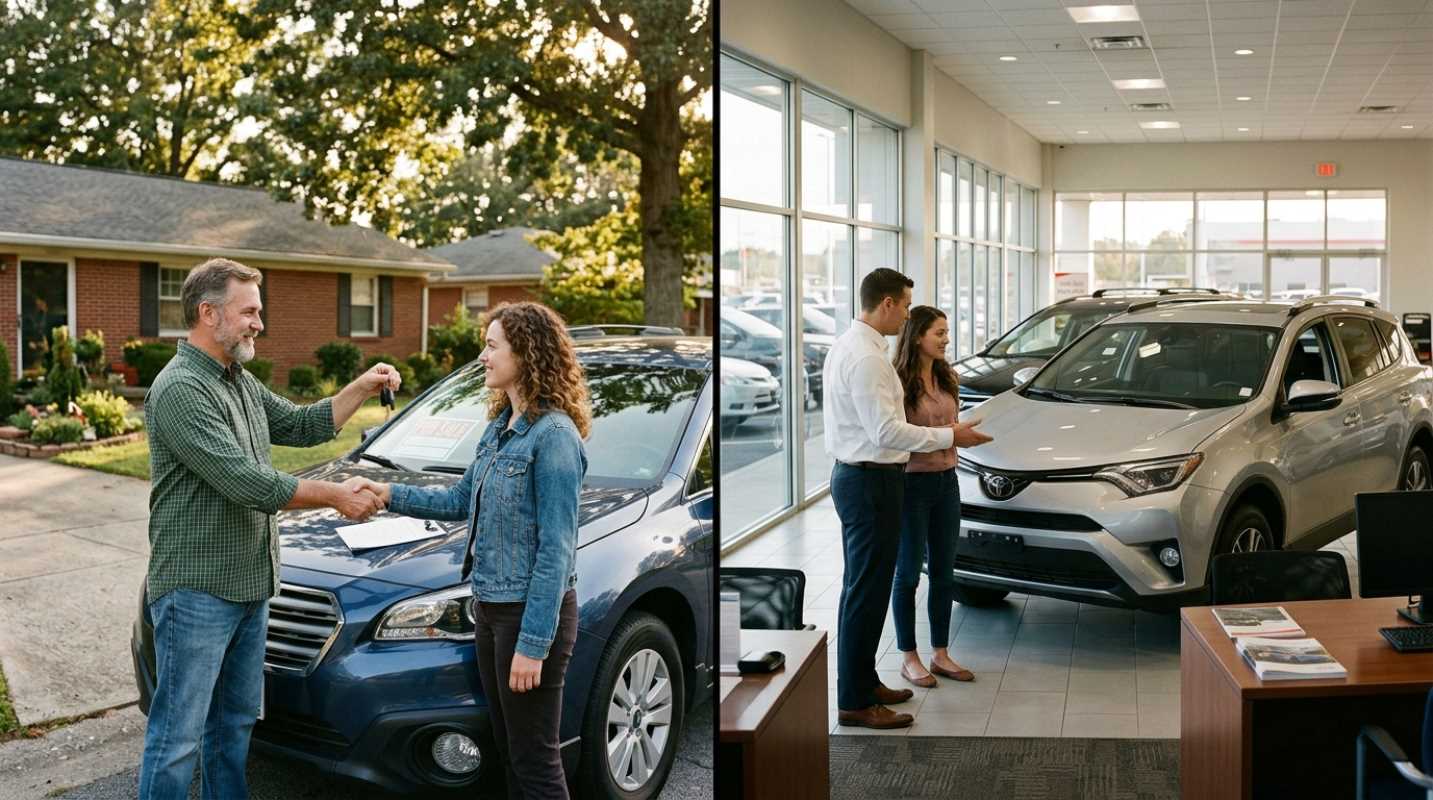
Deciding to sell your car is a big move, and we want you to get the best possible return on your investment. You have spent years with this vehicle, and getting a fair price is the perfect way to close that chapter and move on to the next. The process might seem intimidating, but you have the power to make it a smooth and profitable experience. We are here to guide you every step of the way, from getting your car ready for its close-up to shaking hands on a final deal. This guide is packed with practical advice to help you feel confident and prepared. Let's get you ready to sell your car for the price it truly deserves.
Getting Your Car Ready for Sale
First impressions are everything. A car that looks and feels well-cared-for will always attract more buyers and command a higher price. Taking the time to prepare your vehicle is an investment that pays for itself.
A Deep Clean Makes a Huge Difference
Start with a thorough cleaning, both inside and out. A professional detail is a great option, but you can achieve amazing results on your own with a little effort. Wash and wax the exterior to make the paint shine. Clean the wheels and dress the tires.
Inside, vacuum every corner, including under the seats and in the trunk. Wipe down all surfaces, like the dashboard, door panels, and center console. Clean the windows until they are streak-free. Don't forget to remove all personal items. A clean, fresh-smelling car helps potential buyers imagine themselves owning it.
Address Minor Mechanical Issues
Gather all your service records. A folder full of receipts for oil changes and repairs shows buyers that you have diligently maintained the vehicle. This builds trust and justifies your asking price.
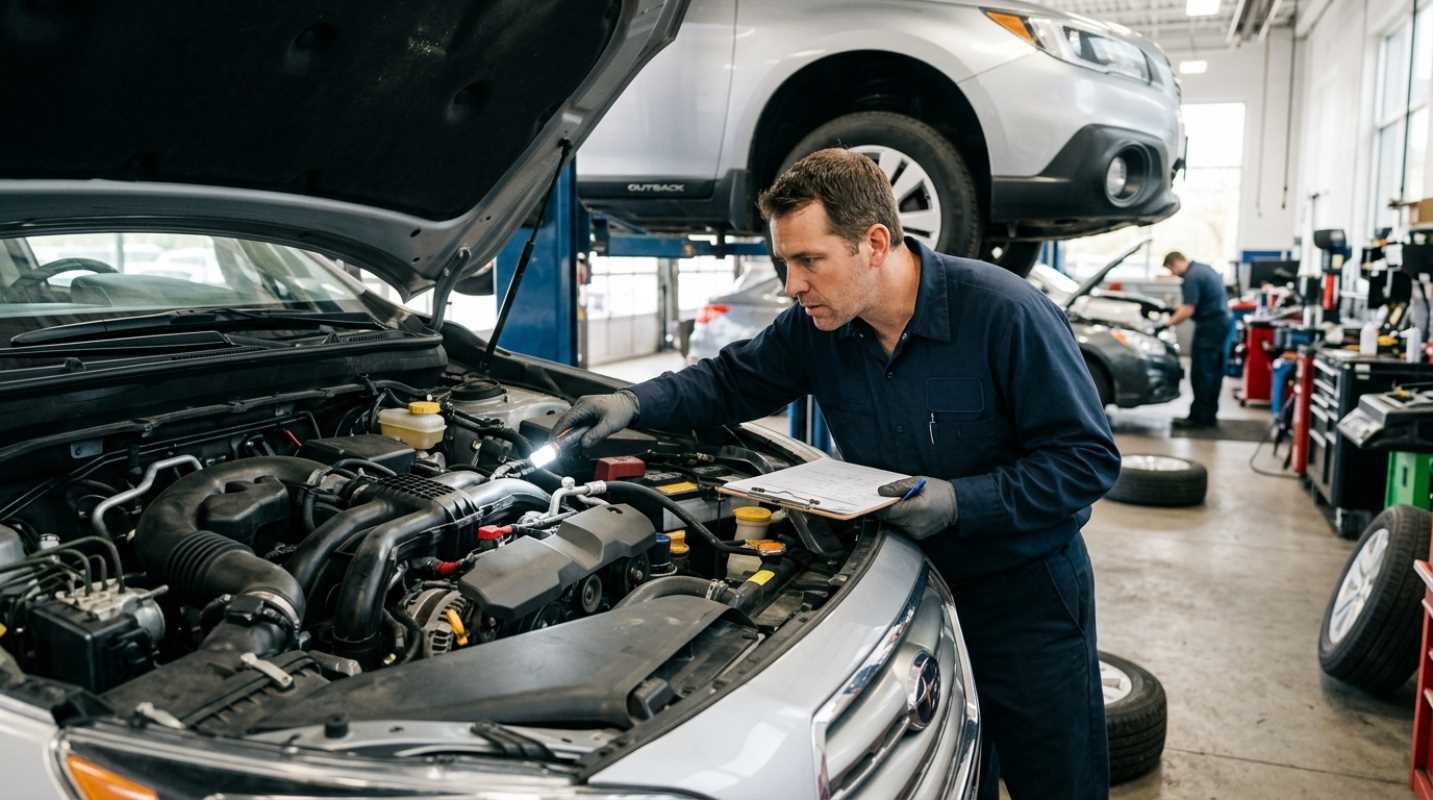
Take care of any small, obvious problems. A burnt-out headlight or a new set of wiper blades are inexpensive fixes that make a big impact. Topping off all the fluids (windshield washer, oil, coolant) shows attention to detail. However, avoid spending money on major repairs. You will rarely get your money back for a new transmission or major engine work. It is better to disclose those issues and adjust the price accordingly.
Setting the Right Price
Pricing your car is a delicate balance. You want to ask for as much as possible without scaring away potential buyers. We have got you covered with a strategy to find that perfect number.
Do Your Research
Use online resources to determine your car’s market value. Websites like Kelley Blue Book (KBB), Edmunds, and NADAguides are excellent starting points. Enter your car’s year, make, model, mileage, and condition honestly. These sites will give you a range for private party sales, trade-ins, and dealer retail.
Next, search local classifieds like Facebook Marketplace, Craigslist, and Autotrader for cars similar to yours. See what other people in your area are asking for. This gives you a real-world snapshot of the current market. Pay attention to how long those cars have been listed. A car that has been for sale for weeks might be priced too high.
Understanding Value Tiers
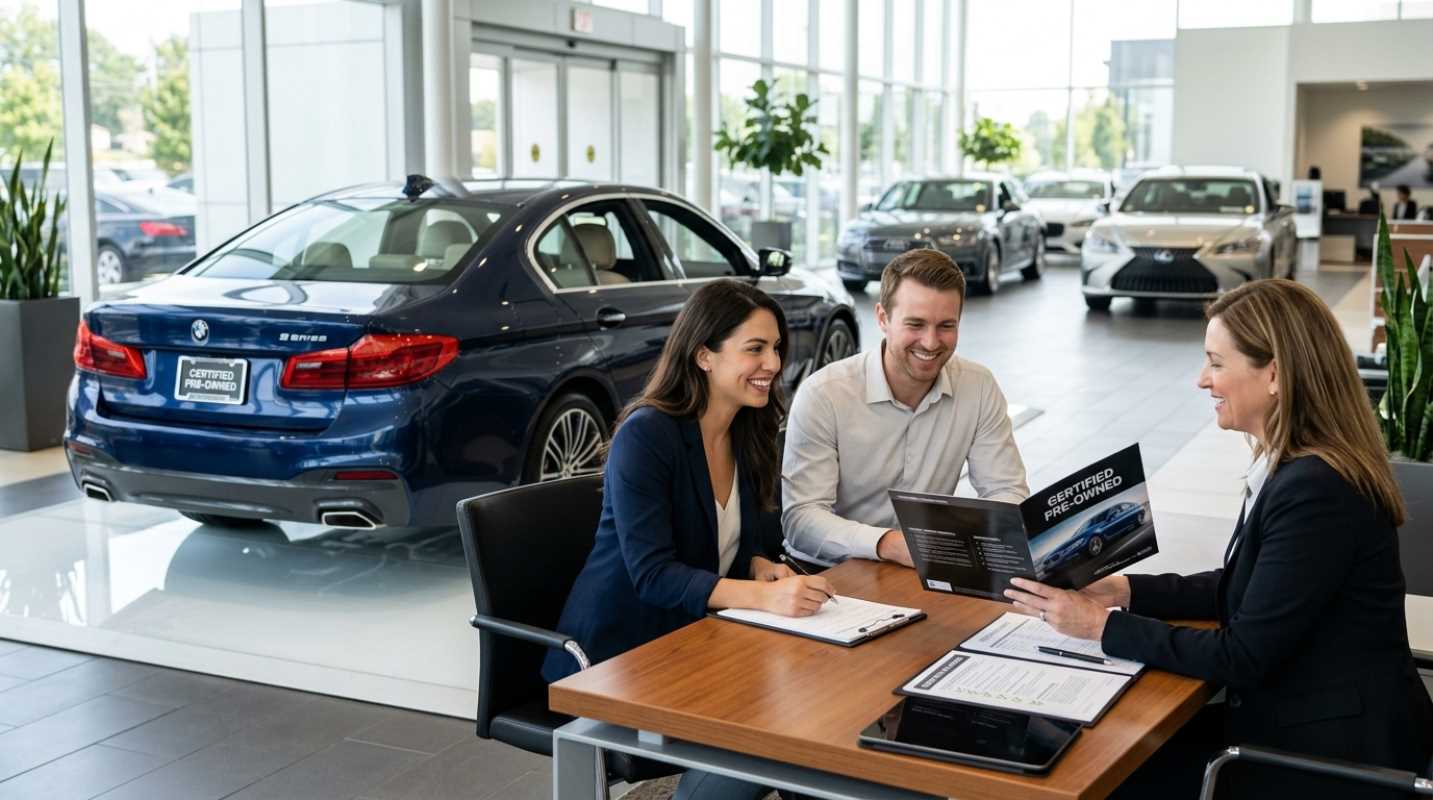
You will see different values for your car. The "trade-in value" is what a dealership might offer you, and it is almost always the lowest price. The "private party value" is what you can expect to get by selling it yourself. This is typically the highest price. Aim for a price that is competitive within the private party range.
Consider adding a small buffer for negotiation. For example, if you want to get $10,000 for your car, you might list it for $10,800. This gives you room to come down in price and still meet your goal, making the buyer feel like they got a good deal.
Creating an Effective Advertisement
Your online ad is your car's resume. A well-crafted ad with great photos is your best tool for attracting serious buyers. You can make your car stand out from the crowd with just a little effort.
Take High-Quality Photos
You don't need a fancy camera; your smartphone will work just fine. Take photos during the day in good, even light. Avoid harsh sunlight that creates dark shadows. Find a clean, simple background, like an empty parking lot or a park.
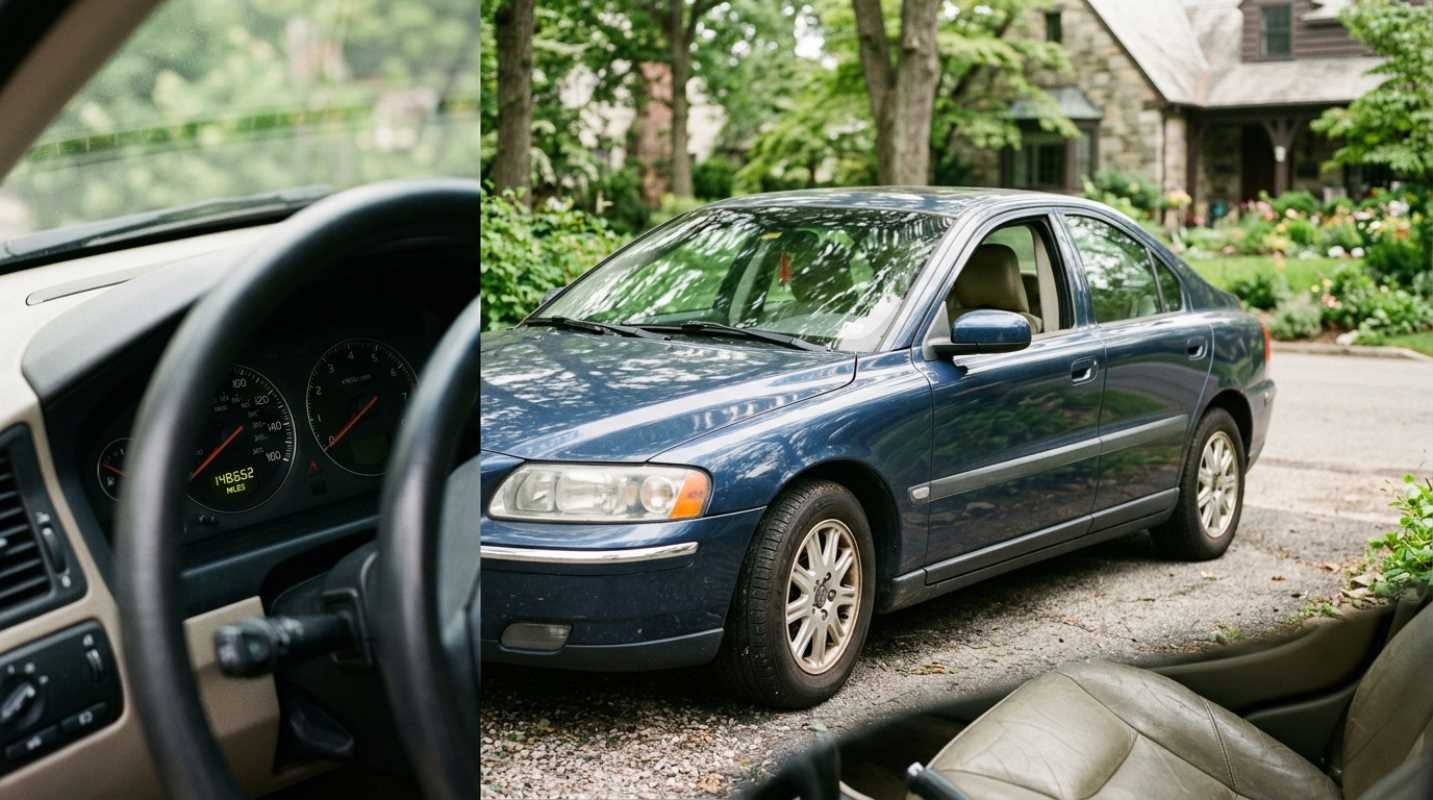
Take lots of pictures from every angle: front, back, both sides, and all four corners. Inside, capture the dashboard, front seats, back seats, and trunk. Don't forget photos of the odometer (to show the mileage) and the tires (to show the tread). Be honest and include photos of any significant scratches or dings. Buyers will appreciate the transparency.
Write a Clear and Detailed Description
Your description should be easy to read and full of helpful information. Start with the basics: year, make, model, trim level, mileage, engine size, and transmission type (automatic or manual).
Next, list the key features and options, like leather seats, a sunroof, a navigation system, or all-wheel drive. Mention the car’s condition honestly. Talk about why you are selling it and any recent maintenance you have performed. End the ad with your preferred contact method and your asking price. A friendly and informative tone goes a long way.
Managing Potential Buyers
Once your ad is live, the inquiries will start coming in. We want you to feel safe and in control during this part of the process.
Screening and Communication
Be prepared for a mix of serious buyers, lowball offers, and automated scam messages. It is wise to set up a free Google Voice number for your ad to protect your personal phone number. Respond politely to all legitimate inquiries.
Serious buyers will ask specific questions about the car and want to schedule a time to see it. Be flexible with your availability. Agree to meet in a safe, public place during the day, like the parking lot of a police station or a busy shopping center.
The Test Drive
Always go with the buyer on the test drive. Before you hand over the keys, ask to see their driver’s license and snap a quick picture of it. This is a standard and reasonable security measure. Let them drive on a route you are familiar with, including some city streets and a stretch of highway. This allows them to get a good feel for the car.
Negotiating and Closing the Deal
Negotiation can feel nerve-wracking, but you can handle it with confidence. You have done your homework and know what your car is worth.
Handling Offers
Most buyers will make an offer that is lower than your asking price. Don't be offended; it is just part of the process. You have already built a negotiation buffer into your price. Listen to their offer and respond with a counteroffer that is fair but still close to your goal.
A buyer who has inspected the car and taken it for a test drive is more likely to be serious. If a buyer points out a legitimate flaw you may have missed, it is reasonable to adjust your price slightly. Stand firm against lowball offers that are thousands below your asking price. A simple "Thank you for the offer, but I can't let it go for that price" is a polite way to decline.
Finalizing the Paperwork
Once you agree on a price, it is time to handle the payment and paperwork. Accept payment only in the form of cash or a cashier's check from a local bank. For a cashier's check, it is a smart idea to meet the buyer at their bank so you can watch the check get printed. This ensures it is legitimate.
You will need to sign the title over to the new owner. Check your state’s DMV website for the exact procedure. Some states require the title to be notarized. Create a "Bill of Sale" for both you and the buyer to sign. This document includes the car’s VIN, the sale price, the date, and the names and signatures of both parties. It serves as a receipt and legal proof of the transaction.
After the sale is complete, remember to remove your license plates (if required by your state) and cancel your insurance policy on the vehicle.